

Operation Process and Working Principle of Continuous Quantitative Powder Conveying System Equipment
Shandong HeadPowder Engineering Co., Ltd., commonly known as HeadPowder, is a professional manufacturer and supplier specializing in the design, development, and production of advanced powder conveying systems. HeadPowder is headquartered in Shandong, China, and has established itself as a leading provider of high-quality, reliable equipment for the powder handling industry. The company focuses on delivering innovative solutions tailored to meet the diverse needs of clients in various sectors, including pharmaceuticals, food processing, chemical manufacturing, and more.
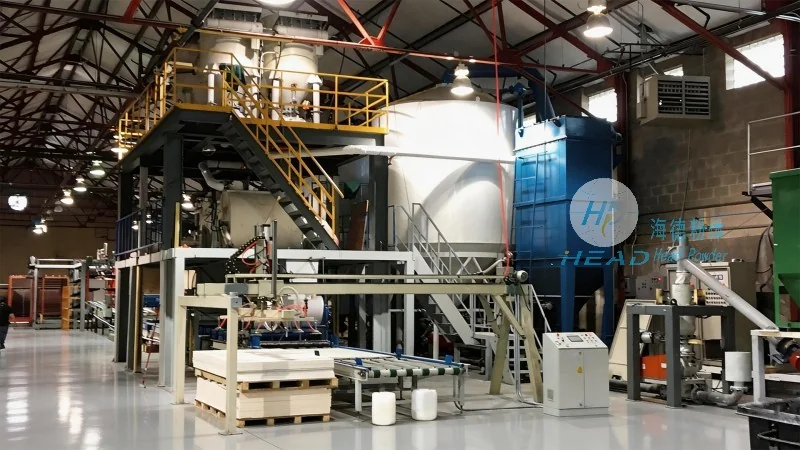
Continuous Quantitative Powder Conveying System: An Overview
HeadPowder's continuous quantitative powder conveying system is a sophisticated piece of equipment engineered to efficiently and accurately transport bulk powders in industrial settings. This system is designed to maintain a consistent flow rate, ensuring precise dosing and reliable material handling. The system integrates advanced technology to optimize performance, reduce downtime, and enhance overall operational efficiency.
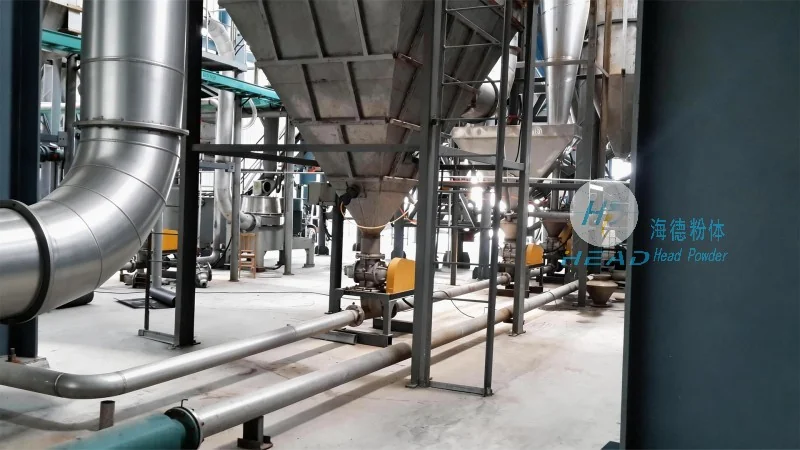
Operation Process of the Continuous Quantitative Powder Conveying System
The operation of the continuous quantitative powder conveying system involves several key steps. First, the powder is fed into the system's hopper or storage container. From there, the material is transferred through a series of components, including feeders, conveyors, and control mechanisms. The system uses precise control algorithms to regulate the flow rate, ensuring that the powder is conveyed at a consistent and measurable rate. This process allows for accurate measurement and delivery of the powder, which is critical for applications requiring exact dosing. The system's control panel provides real-time monitoring and adjustment capabilities, enabling operators to fine-tune the operation as needed. Additionally, the system incorporates safety features to prevent overfilling or underflow, ensuring safe and reliable operation.
Working Principle of the Continuous Quantitative Powder Conveying System
The working principle of the continuous quantitative powder conveying system is based on the principles of bulk material handling and precise flow control. The system utilizes a combination of mechanical and electronic components to achieve accurate and consistent powder transport. The core components include a feeder that controls the initial flow of powder from the hopper, a conveyor that transports the powder through the system, and a control unit that manages the entire process. The feeder may use techniques such as screw feeders, vibratory feeders, or rotary valves to regulate the powder flow. The conveyor system, often a pneumatic or mechanical conveyor, moves the powder to the desired destination. The control unit, equipped with sensors and feedback mechanisms, monitors the flow rate and adjusts the feeder settings to maintain the desired output. This closed-loop control system ensures that the powder is conveyed at a constant rate, minimizing variations and ensuring accurate dosing. The system's design also considers factors such as powder characteristics, such as particle size, density, and flowability, to optimize performance and prevent issues like bridging or caking.
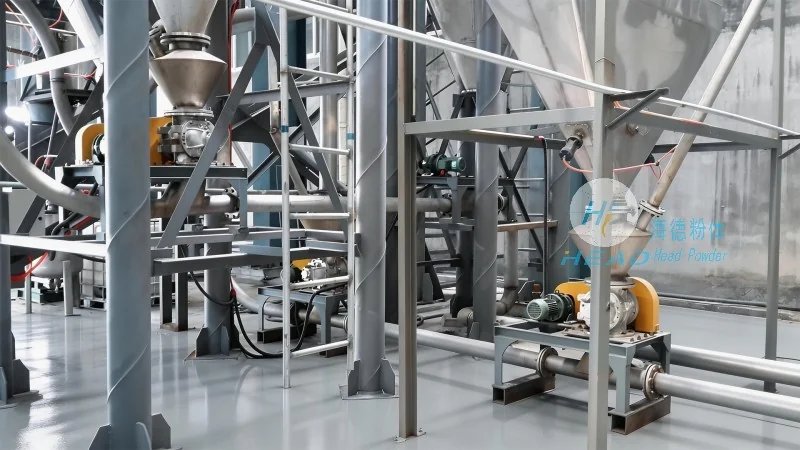
Key Features and Benefits
HeadPowder's continuous quantitative powder conveying system offers several key features and benefits that make it an ideal choice for industrial applications. The system's high accuracy in powder dosing ensures consistent product quality, which is crucial for industries like pharmaceuticals and food processing where precision is paramount. The continuous operation capability reduces labor costs and increases production efficiency, as the system can run continuously without the need for frequent manual adjustments. The system's robust construction and reliable components minimize maintenance requirements and downtime, enhancing overall operational reliability. Additionally, the system's modular design allows for easy integration into existing production lines and scalability to accommodate varying production demands. The advanced control technology provides real-time monitoring and data logging, enabling operators to track performance and identify potential issues proactively. These features collectively contribute to improved productivity, reduced operational costs, and enhanced product quality.