

[Dry Limestone Powder Conveying Line: Operation Process and Working Principle]
HeadPowder, a leading provider of industrial powder handling solutions, specializes in the design, manufacturing, and installation of advanced dry limestone powder conveying systems. Based in Shandong, China, the company has established itself as a trusted partner for clients seeking efficient and reliable equipment for transporting limestone powder in various industrial applications. This article delves into the operation process and working principle of dry limestone powder conveying lines, highlighting the key components, operational mechanisms, and the benefits of such systems.
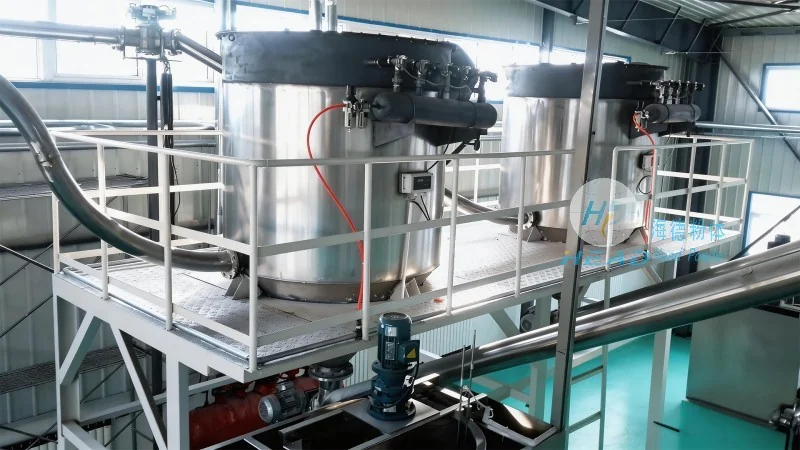
Company Overview: Shandong HeadPowder Engineering Co., Ltd.
HeadPowder, formally known as Shandong HeadPowder Engineering Co., Ltd., is headquartered in Shandong, China. The company has a strong reputation in the industry for delivering high-quality powder handling equipment tailored to meet the specific needs of clients. With a focus on innovation and customer satisfaction, HeadPowder offers comprehensive solutions for the transportation of dry powders, including limestone powder, across diverse sectors such as construction, mining, and chemical processing.
Understanding Dry Limestone Powder Conveying Lines
Dry limestone powder conveying lines are essential for the efficient movement of limestone powder from storage silos or production sites to processing units or end-use applications. These systems are designed to handle dry, fine powders like limestone, which can be challenging to transport due to their dusty nature and potential for caking or segregation. The primary goal of these conveying lines is to ensure a continuous, reliable flow of material while minimizing operational costs and maintenance requirements.
Key Components of a Dry Limestone Powder Conveying System
A typical dry limestone powder conveying line consists of several critical components that work in tandem to achieve effective material transport. These components include:
1. Feeder: The feeder is the initial component that regulates the flow of limestone powder from the storage silo or hopper into the conveying line. It ensures a consistent and controlled feed rate, preventing overloading or underloading of the conveyor system. Common types of feeders used include rotary valves, star feeders, and screw feeders, each offering different advantages depending on the specific application and material characteristics.
2. Pneumatic Conveying System: For dry limestone powder, pneumatic conveying is often employed due to its ability to handle fine powders efficiently. This system uses air pressure to move the powder through a pipeline. The key components of a pneumatic conveying system include the air compressor, air dryer, and the conveying line itself. The air compressor generates the necessary pressure to transport the powder, while the air dryer removes moisture from the air to prevent material clumping or degradation.
3. Conveying Pipeline: The pipeline is the main channel through which the limestone powder travels. It is typically made of materials such as stainless steel or PVC, chosen for their resistance to corrosion and durability. The pipeline is designed with smooth inner surfaces to minimize friction and prevent material buildup, ensuring a smooth and efficient flow.
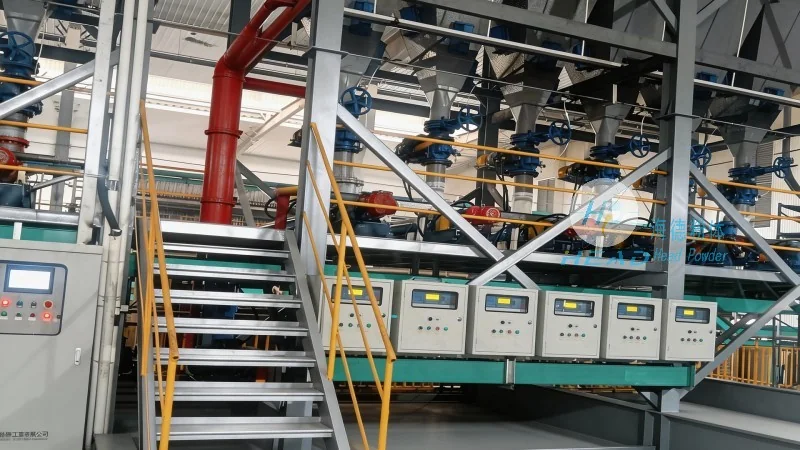
4. Control System: The control system monitors and regulates the operation of the entire conveying line. It includes sensors to detect the level of material in the silo, pressure gauges to monitor air pressure, and control panels to adjust the feed rate and conveyor speed. This system ensures that the conveying process is optimized for efficiency and safety.
The Working Principle of Dry Limestone Powder Conveying Lines
The operation of a dry limestone powder conveying line involves a series of coordinated steps that ensure the material is transported from the source to the destination. The process typically begins with the material being fed from the storage silo into the feeder. The feeder then regulates the flow of powder into the pneumatic conveying system. The air compressor generates high-pressure air, which is introduced into the pipeline, creating a flow that carries the limestone powder along with it.
As the powder travels through the pipeline, it is suspended in the air stream, moving towards the discharge point. The pipeline is designed with appropriate bends and fittings to maintain the flow without causing blockages or turbulence. The control system continuously monitors the pressure and flow rate, adjusting the air pressure as needed to maintain a consistent and stable transport. Once the powder reaches the discharge point, it is collected in a hopper or storage tank, ready for further processing or use.
Operation Process of Dry Limestone Powder Conveying Lines
The operation process of a dry limestone powder conveying line can be broken down into several key stages, each critical to the overall efficiency and reliability of the system. The following steps outline the typical operation process:
1. Preparation and Setup: Before starting the conveying process, the system is prepared by checking the components for any signs of wear or damage. The storage silo is filled with limestone powder, and the feeder is adjusted to the desired feed rate. The air compressor is started, and the air dryer is activated to ensure the air is dry and clean.
2. Material Feeding: The feeder regulates the flow of limestone powder from the silo into the pneumatic conveying system. The feed rate is adjusted based on the required output and the capacity of the downstream processing units. This step ensures a consistent supply of material to the conveying line.
3. Pneumatic Conveying: The air compressor generates high-pressure air, which is introduced into the pipeline. The air stream carries the limestone powder through the pipeline, moving it towards the discharge point. The pressure and flow rate are monitored and adjusted as needed to maintain optimal transport conditions.
4. Discharge and Collection: At the discharge end of the pipeline, the limestone powder is collected in a hopper or storage tank. The control system ensures that the discharge is smooth and continuous, preventing any blockages or overflow. The collected powder is then ready for further processing or use in various applications.
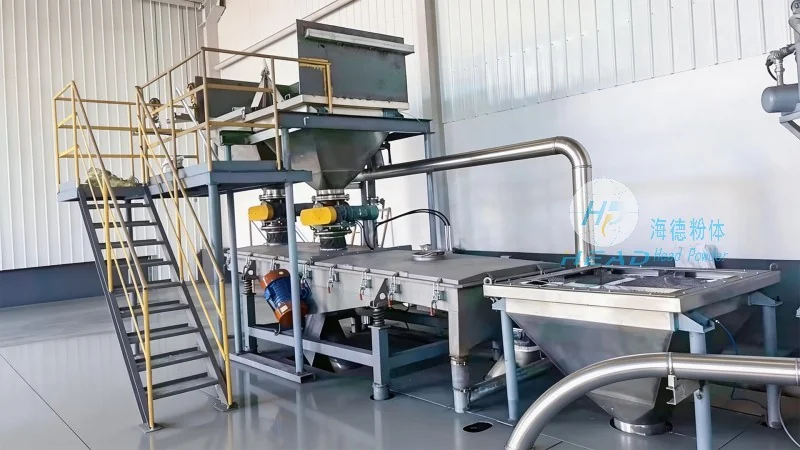
5. Maintenance and Monitoring: Throughout the operation, the control system continuously monitors the performance of the conveying line. Regular maintenance is performed to ensure the components are in good working condition. This includes checking the feeder, air compressor, and pipeline for any signs of wear or damage. Any issues are addressed promptly to prevent downtime and ensure the system operates efficiently.
Benefits of Dry Limestone Powder Conveying Lines
Implementing a dry limestone powder conveying line offers several benefits for industrial operations. These include:
1. Efficiency and Reliability: The system ensures a continuous and reliable flow of limestone powder, reducing downtime and increasing productivity. The automated control system minimizes the need for manual intervention, ensuring consistent performance.
2. Cost-Effectiveness: By using a pneumatic conveying system, companies can reduce labor costs associated with manual handling and reduce the risk of material loss or contamination. The system also minimizes the need for additional equipment, such as trucks or loaders, reducing overall operational costs.
3. Safety and Environmental Protection: The enclosed pipeline design prevents dust from escaping into the environment, reducing the risk of respiratory issues for workers and minimizing the impact on the surrounding environment. The system also reduces the risk of material spills or accidents, improving workplace safety.
4. Flexibility and Scalability: Dry limestone powder conveying lines can be designed to handle varying capacities and material types. The system can be easily scaled up or down to meet changing production needs, making it a flexible solution for industrial applications.
Conclusion
Dry limestone powder conveying lines are essential for the efficient and reliable transportation of limestone powder in industrial applications. With the expertise of companies like Shandong HeadPowder Engineering Co., Ltd., these systems can be customized to meet the specific needs of clients, ensuring optimal performance and cost-effectiveness. By understanding the key components, working principle, and operation process of such systems, industries can enhance their productivity and operational efficiency while maintaining safety and environmental standards.