

Common Lithium Battery Conveying Methods: An Overview of Pneumatic Conveying Systems
When manufacturing and handling lithium-ion batteries, efficient and reliable material conveying is crucial for maintaining production efficiency and product quality. Various conveying methods are employed in the battery production process, each with distinct characteristics suited to different operational requirements. This article explores common lithium battery conveying methods, with a focus on the advantages and applications of pneumatic conveying systems.
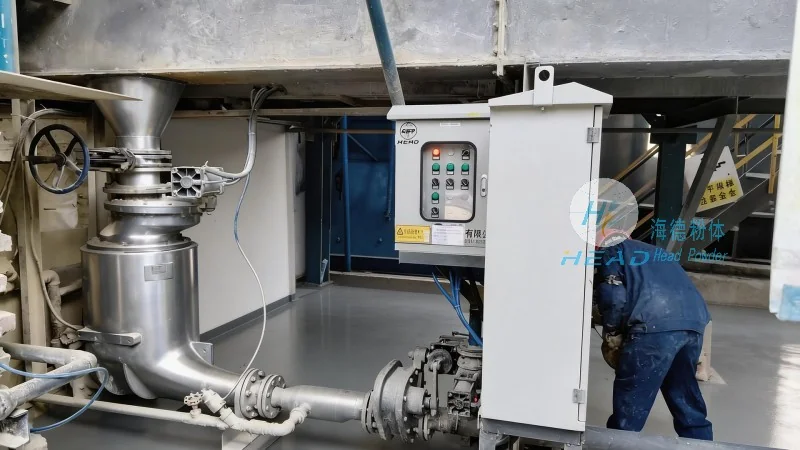
HeadPowder, a leading provider in the field, specializes in engineering solutions for material handling, particularly in the battery manufacturing sector. Based in Shandong, China, the company offers tailored conveying systems that meet the stringent demands of lithium battery production lines. Their expertise in pneumatic technology ensures that battery manufacturers can achieve optimal performance and safety in their material handling operations.
Pneumatic Conveying Systems for Lithium Batteries
Pneumatic conveying, also known as air conveying, is a method that uses compressed air to transport bulk materials, including lithium batteries and their components, through a pipeline system. This technology eliminates the need for mechanical components like belts or buckets, reducing the risk of physical damage to sensitive battery cells. The system typically consists of a blower, a hopper for material storage, and a pipeline network that directs the material to its destination.
One of the primary advantages of pneumatic conveying is its ability to handle fragile or delicate materials without mechanical contact. Lithium batteries, with their intricate internal structures and high value, benefit significantly from this feature. Additionally, pneumatic systems can operate in a closed environment, minimizing dust exposure and ensuring compliance with environmental regulations. This is particularly important in battery production, where dust control is critical to prevent contamination and ensure worker safety.
Efficiency is another key benefit of pneumatic conveying. By using compressed air to move materials, the system can achieve high throughput rates, often faster than traditional mechanical methods. This speed is essential in high-volume battery manufacturing, where rapid material transfer is necessary to maintain production schedules. Furthermore, pneumatic systems can be designed to handle varying material loads and flow rates, providing flexibility in production operations.
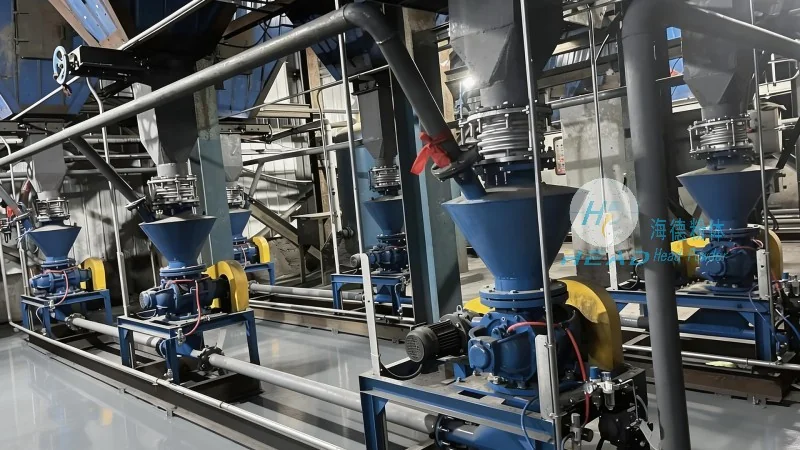
HeadPowder's pneumatic conveying solutions are engineered to address the specific challenges of lithium battery handling. The company's engineers work closely with battery manufacturers to design systems that optimize material flow, reduce downtime, and enhance overall production efficiency. By integrating advanced control systems and monitoring technologies, their solutions ensure consistent performance and reliability in demanding production environments.
Comparison with Traditional Conveying Methods
While mechanical conveying methods, such as belt conveyors and bucket elevators, are widely used in industrial settings, they may not be suitable for lithium battery handling due to their potential to cause physical damage or contamination. Belt conveyors, for example, can generate friction and vibration that could compromise the integrity of battery cells. Similarly, bucket elevators may require frequent maintenance and can be prone to material spillage, leading to safety hazards and operational inefficiencies.
In contrast, pneumatic conveying systems offer a more gentle and controlled method of material transport. The lack of mechanical contact reduces the risk of abrasion or impact damage, which is critical for maintaining the performance and lifespan of lithium batteries. Additionally, the closed pipeline design of pneumatic systems prevents dust and particles from entering the production environment, ensuring a cleaner and safer workspace. This advantage is particularly valuable in battery manufacturing, where even small amounts of contamination can affect battery performance and reliability.
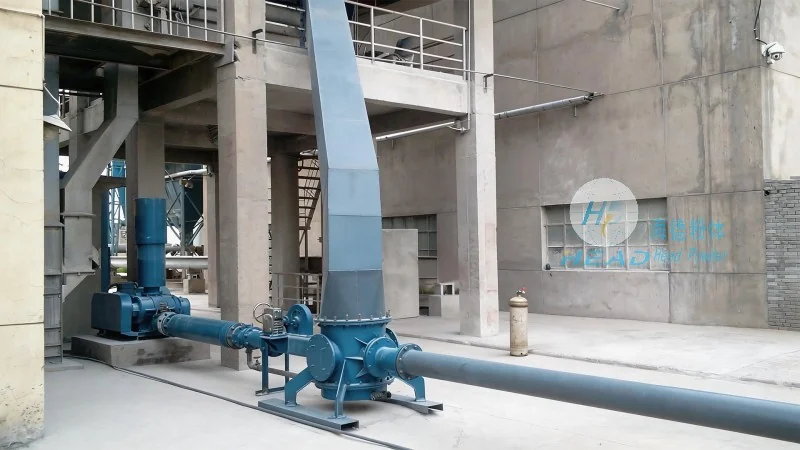
Applications in Lithium Battery Production
Pneumatic conveying systems are widely adopted in various stages of lithium battery production, from raw material handling to finished product transport. In the raw material stage, pneumatic systems can efficiently transport materials like lithium compounds, graphite, and other components to the mixing and processing equipment. This ensures a continuous and controlled supply of materials, minimizing production delays.
During the cell assembly process, pneumatic conveying is used to transport completed battery cells from the assembly line to the packaging and testing stages. The gentle handling of cells prevents damage to the delicate internal structures, ensuring that only high-quality cells proceed to the final testing and packaging phases. This contributes to higher yields and reduced waste in the production process.
Finally, in the finished product handling stage, pneumatic systems can transport packaged lithium batteries to storage or shipping areas. The efficient and safe transport of finished products helps battery manufacturers meet delivery deadlines and maintain customer satisfaction. By integrating pneumatic conveying into their production lines, manufacturers can achieve a more streamlined and reliable material handling process.
Conclusion
Efficient material conveying is a critical component of lithium battery manufacturing, and pneumatic conveying systems offer a superior solution compared to traditional mechanical methods. HeadPowder's expertise in pneumatic technology provides battery manufacturers with reliable and efficient conveying systems that enhance production efficiency, ensure product quality, and maintain safety standards. By adopting advanced pneumatic conveying solutions, lithium battery manufacturers can optimize their operations and stay competitive in the rapidly evolving battery industry.