

Common Silage Conveying Methods: An Introduction to Silage Pneumatic Conveying
When it comes to handling and transporting silage, selecting the right conveying method is crucial for efficiency, cost-effectiveness, and the preservation of the forage quality. Silage, a fermented forage used as animal feed, requires careful handling to maintain its nutritional value and prevent spoilage. The choice of conveying system can significantly impact the overall operation of a farm or feed processing facility. In this article, we explore common silage conveying methods, with a particular focus on the advantages and applications of silage pneumatic conveying.
Understanding Silage and Its Handling Requirements
Silage is typically produced by chopping forage crops like corn, alfalfa, or grass, and then fermenting it in airtight silos or bags. The process involves preserving the forage by anaerobic conditions, which helps retain nutrients and reduce the risk of spoilage. However, moving silage from storage to feeding areas or processing units demands specialized equipment to ensure minimal loss and optimal quality. Traditional methods like manual handling or mechanical conveyors have limitations, especially when dealing with large volumes or long distances. This is where advanced technologies, such as pneumatic conveying, come into play.
Common Silage Conveying Methods
Several methods are commonly used for silage transport, each with its own set of advantages and limitations. The primary options include:
- Mechanical Conveyors: These systems use belts, screws, or augers to move silage. While effective for short distances and moderate volumes, mechanical conveyors can be prone to blockages and require regular maintenance. They are often suitable for horizontal or slight incline transport but may struggle with vertical lifts or complex layouts.
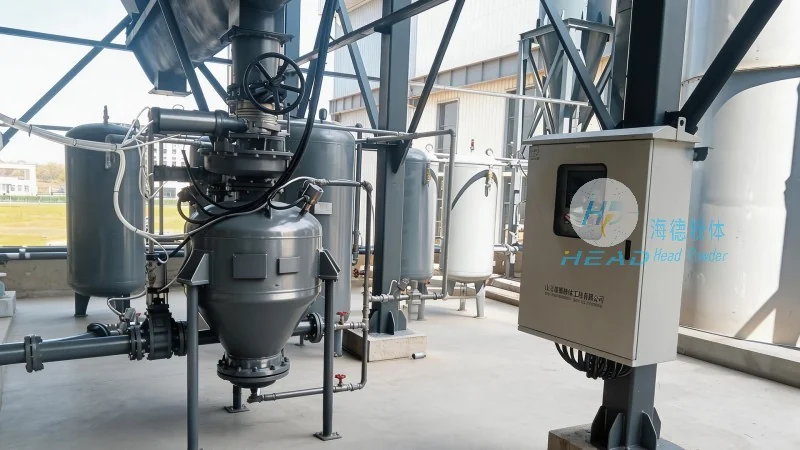
- Pneumatic Conveying: This method uses air pressure to transport silage particles through a pipeline. It offers high efficiency, flexibility, and the ability to handle both horizontal and vertical distances. Pneumatic systems can transport silage over long distances with minimal labor and equipment, making them ideal for large-scale operations.
- Hydraulic Conveyors: Utilizing hydraulic pressure to move silage, these systems are less common but can be effective for specific applications, such as moving silage through narrow or restricted spaces. However, they may be more complex and expensive to install and maintain compared to pneumatic or mechanical options.
Advantages of Silage Pneumatic Conveying
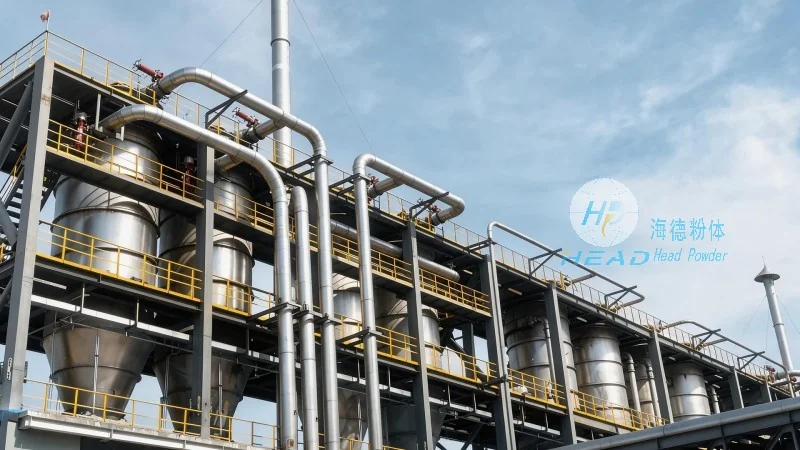
Silage pneumatic conveying, as offered by companies like Shandong HeadPowder Engineering Co., Ltd., provides several key benefits that make it a preferred choice for many agricultural and feed processing operations. The primary advantages include:
- Efficiency and Speed: Pneumatic systems can transport large volumes of silage quickly and continuously, reducing the time and labor required for handling. This efficiency is particularly valuable during peak feeding periods or when processing large batches of silage.
- Flexibility and Versatility: Pneumatic conveying can handle both dry and wet silage, adapting to different moisture levels and particle sizes. The system can be easily reconfigured to accommodate changes in the layout of the farm or processing facility, providing flexibility in operation.
- Reduced Labor and Maintenance: Unlike mechanical conveyors that may require frequent adjustments and cleaning, pneumatic systems are generally low-maintenance. They minimize the need for manual intervention, lowering labor costs and reducing the risk of human error.
- Preservation of Forage Quality: By moving silage in an enclosed system with controlled air flow, pneumatic conveying helps prevent exposure to air and contamination, which can degrade the nutritional value of the forage. This ensures that the silage reaches the feeding area in optimal condition.
How Silage Pneumatic Conveying Works
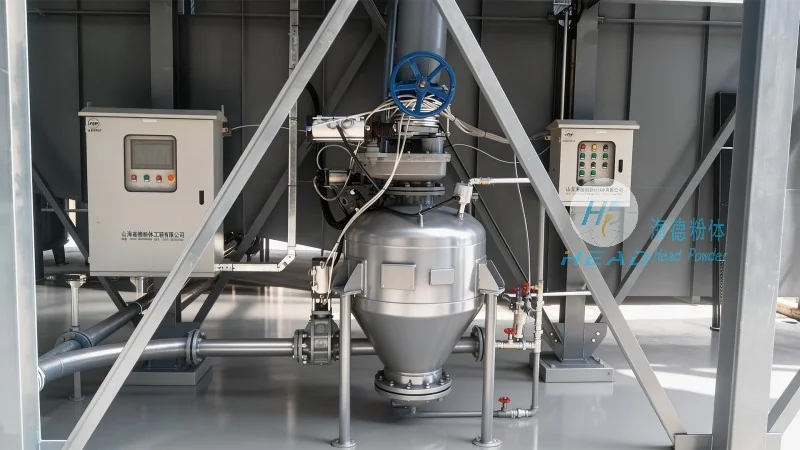
The process of silage pneumatic conveying involves several key components and steps. First, the silage is loaded into a hopper or storage silo. From there, it is fed into a conveyor line through a feeder or pump. The system uses a blower or compressor to generate air pressure, which propels the silage particles through the pipeline. The air-silage mixture travels through the pipeline to the destination, such as a feeding station or processing unit. The system may include filters or separators to remove excess air and ensure the silage is delivered efficiently. The entire process is automated, allowing for consistent and reliable transport of silage.
Applications and Use Cases
Silage pneumatic conveying is widely used in various agricultural and feed processing applications. Some common use cases include: