

Principle and Working Scene Characteristics of Coal Powder Material Pneumatic Conveying Machines
HeadPowder, a leading engineering company based in Shandong, China, specializes in the design and implementation of advanced pneumatic conveying systems tailored for coal powder materials. These systems are essential in various industrial applications, offering efficient and reliable material transport solutions. This article delves into the fundamental principles behind these systems and highlights the key working scene characteristics that make them indispensable in modern industrial operations.
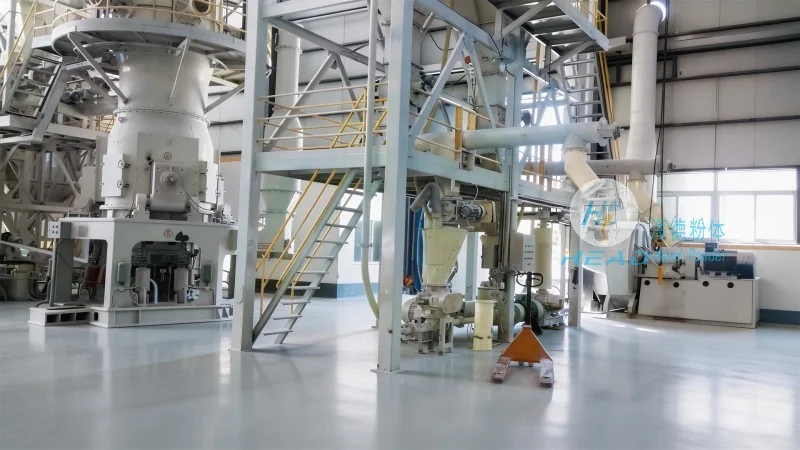
The Working Principle of Coal Powder Pneumatic Conveying Machines
The core of a coal powder pneumatic conveying machine lies in its ability to transport bulk materials using air as the conveying medium. There are primarily two types of pneumatic conveying systems: pressure and vacuum. In pressure systems, a positive pressure is maintained throughout the entire conveying line, typically using a positive displacement blower or a rotary lobe blower. The coal powder is fed into the system, and the pressurized air forces the material through the pipeline. This method is suitable for long-distance and high-capacity transport, as it can handle larger particle sizes and higher flow rates. On the other hand, vacuum systems operate by creating a negative pressure at the receiving end, drawing the material into the pipeline using a vacuum pump. This approach is ideal for short-distance transport or when the material needs to be conveyed from multiple sources to a single destination. The choice between pressure and vacuum systems depends on factors such as the distance of transport, the required flow rate, and the nature of the material being conveyed.
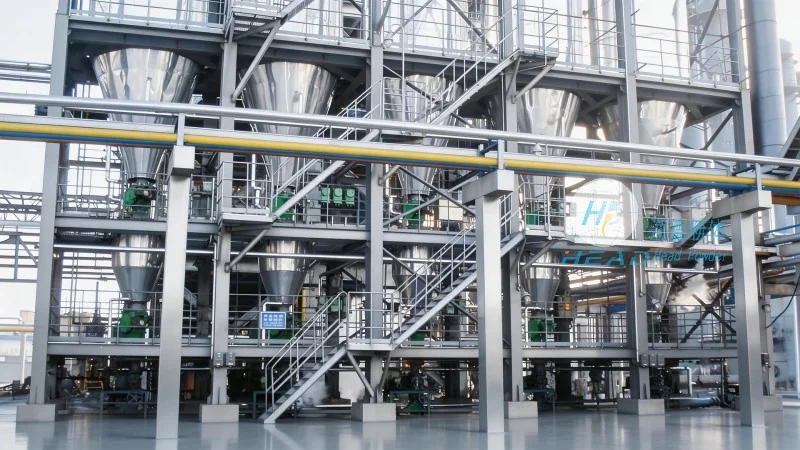
Key Working Scene Characteristics of Coal Powder Pneumatic Conveying Systems
Coal powder pneumatic conveying systems are widely used in several industrial sectors, each presenting unique operational requirements. In power plants, for instance, these systems are crucial for transporting coal from storage silos to boilers. The high efficiency and minimal material loss make them ideal for maintaining consistent fuel supply to the combustion process. The systems are designed to handle the abrasive nature of coal powder, ensuring long-term durability and low maintenance costs. Another significant application is in cement and chemical industries, where coal powder is used as a fuel or raw material. The ability to transport coal powder in a dust-free environment is particularly important in these sectors to prevent contamination and ensure compliance with environmental regulations. Additionally, in mining operations, pneumatic conveying systems are employed to transport coal from processing facilities to storage or for further processing. The flexibility of these systems allows for integration with existing infrastructure, reducing the need for extensive site modifications.
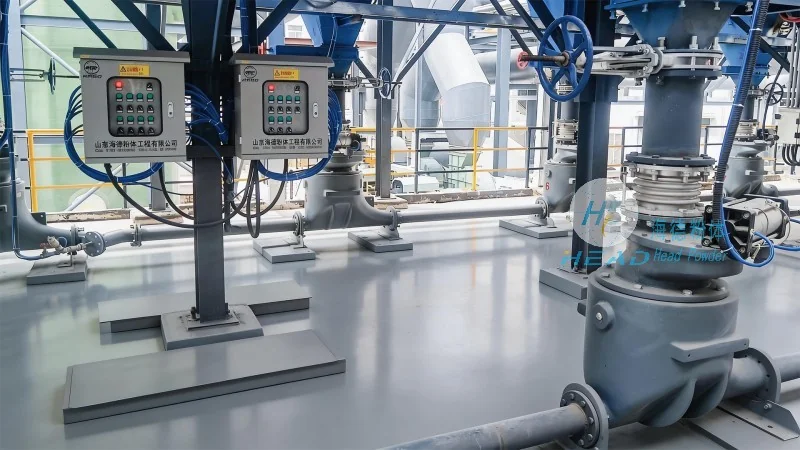
Advantages and Considerations in Coal Powder Pneumatic Conveying
Implementing coal powder pneumatic conveying systems offers several advantages over traditional mechanical conveying methods. One of the primary benefits is the reduction in material handling costs, as there is no need for multiple transfer points or conveyor belts. The systems also minimize the risk of material degradation due to reduced exposure to air and moisture. Furthermore, the enclosed nature of the conveying process helps in controlling dust emissions, enhancing workplace safety and environmental compliance. However, there are considerations to keep in mind when selecting a pneumatic conveying system for coal powder. The system must be designed to handle the specific properties of coal powder, such as particle size distribution, moisture content, and abrasiveness. Proper filtration and cleaning of the conveying line are essential to prevent blockages and maintain system efficiency. Regular maintenance, including checking for wear and tear on components like blowers and pipelines, is crucial to ensure the longevity and reliability of the system.