

Principle and Working Scene Characteristics of Pneumatic Conveying Equipment for Graphite Materials
HeadPowder, a leading provider of industrial material handling solutions, specializes in the design and manufacturing of pneumatic conveying systems tailored for graphite materials. This article explores the fundamental principles behind these systems and highlights the key characteristics of their operational environments, offering insights into how such equipment enhances efficiency and precision in various industrial applications.
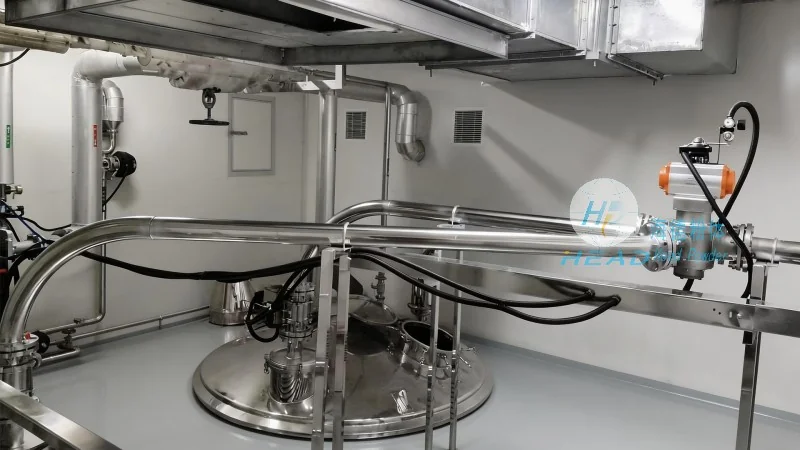
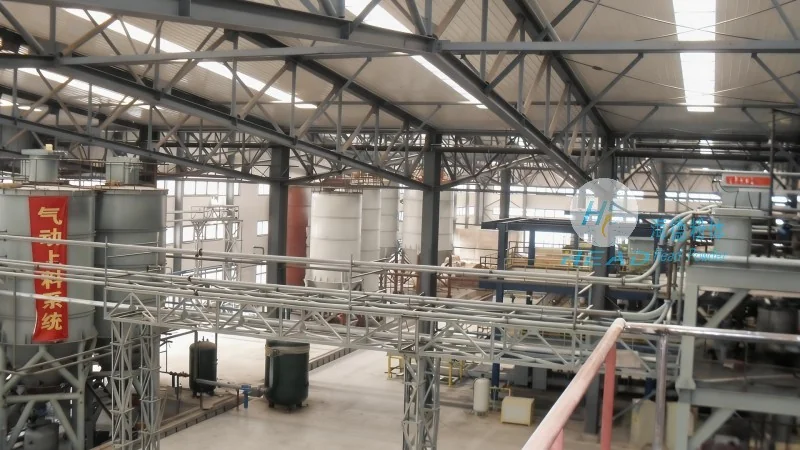
Understanding the Core Principle of Pneumatic Conveying for Graphite
Pneumatic conveying, also known as air-powered transport, is a method that uses compressed air or vacuum to move bulk materials like graphite through a pipeline. For graphite, which is often used in high-tech industries such as battery manufacturing and refractory production, this technology offers a non-contact, dust-free, and highly efficient means of material transport. The process typically involves a hopper where graphite is fed into a pipeline, where it is then carried by the airflow. The system can operate in two main modes: pressure (or positive pressure) conveying, where air is forced through the material, and vacuum (or negative pressure) conveying, where a vacuum is created to draw the material. The choice of mode depends on factors like the distance, material properties, and the need for containment. The core principle revolves around maintaining a consistent airflow to ensure the material is transported smoothly without clogging or degradation.
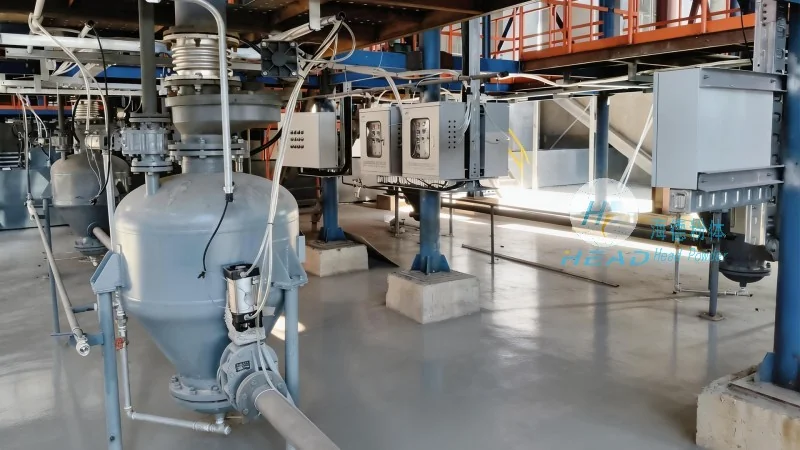
Key Working Scene Characteristics of Graphite Pneumatic Conveying Systems
The operational environments where graphite pneumatic conveying equipment is deployed exhibit distinct characteristics that influence system design and performance. These characteristics include:
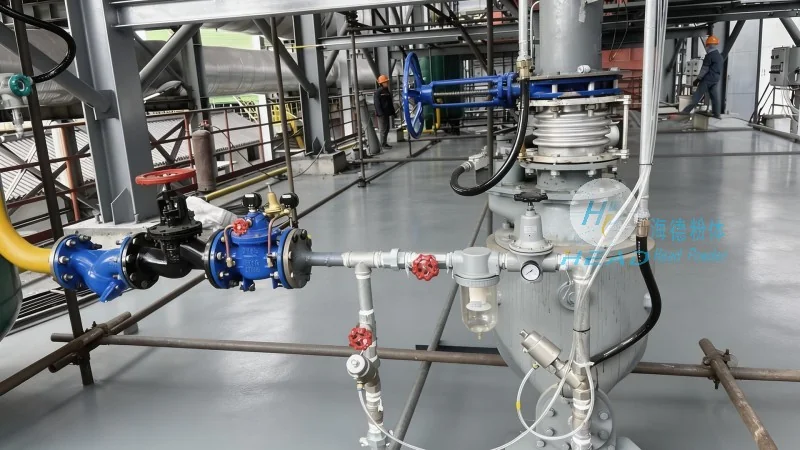
- Industrial Scale and Material Handling Requirements: In large-scale production facilities, such as those involved in lithium-ion battery production or graphite flake processing, the volume of material to be transported is substantial. The systems are engineered to handle high throughput rates, often ranging from several tons per hour to over 100 tons per hour, depending on the application. This requires robust components, including high-capacity blowers or vacuum pumps, and durable pipelines that can withstand the abrasive nature of graphite particles.
- Process Integration and Automation: Modern graphite processing plants increasingly integrate pneumatic conveying systems with automated production lines. This integration allows for seamless material transfer between processing stages, such as from grinding to classification, or from storage to the production line. The systems are often equipped with sensors and control panels that monitor airflow, pressure, and material flow, ensuring real-time adjustments to maintain optimal performance. This automation reduces human intervention, minimizes errors, and enhances overall operational efficiency.
- Environmental and Safety Considerations: Graphite is a fine powder that can create dust, which poses health and safety risks if not properly contained. Pneumatic conveying systems are designed with enclosed pipelines and filtration systems to prevent dust emissions, ensuring compliance with environmental regulations. Additionally, the systems are equipped with safety features like pressure relief valves and emergency shutdown mechanisms to protect operators and equipment from potential hazards. The use of sealed containers and vacuum systems further minimizes the risk of dust exposure, making the operation safer for personnel and the environment.
- Customization for Diverse Graphite Types: Graphite exists in various forms, including natural flake graphite, synthetic graphite, and graphite powders, each with different particle sizes, densities, and flow characteristics. Pneumatic conveying systems are designed to accommodate these variations by adjusting parameters such as airflow velocity, pipeline diameter, and material feed rate. For example, fine graphite powders may require higher airflow velocities to prevent clogging, while larger flake graphite may need larger pipelines and different feeding mechanisms. The adaptability of these systems allows them to handle a wide range of graphite materials, making them versatile for different industrial applications.
HeadPowder's Expertise in Designing Graphite Pneumatic Conveying Solutions
Shandong HeadPowder Engineering Co., Ltd., based in Shandong, China, leverages its extensive experience in material handling to provide customized pneumatic conveying solutions for graphite applications. The company’s team of engineers specializes in understanding the unique properties of graphite and the specific requirements of each client's operation. By combining advanced engineering principles with practical industry knowledge, HeadPowder designs systems that are not only efficient but also reliable and cost-effective. The company’s products are built with high-quality materials, such as stainless steel and corrosion-resistant alloys, to ensure durability and longevity, even in harsh operating conditions. Additionally, HeadPowder offers comprehensive support, including installation, maintenance, and technical assistance, to ensure that clients can maximize the performance of their equipment and minimize downtime.