

Principle and Working Scene Characteristics of Dry Ash Material Pneumatic Conveying Lines
HeadPowder, a leading engineering company based in Shandong, China, specializes in the design and implementation of pneumatic conveying systems for dry ash materials. This article explores the fundamental principles behind these systems and highlights the key characteristics of their operational environments.
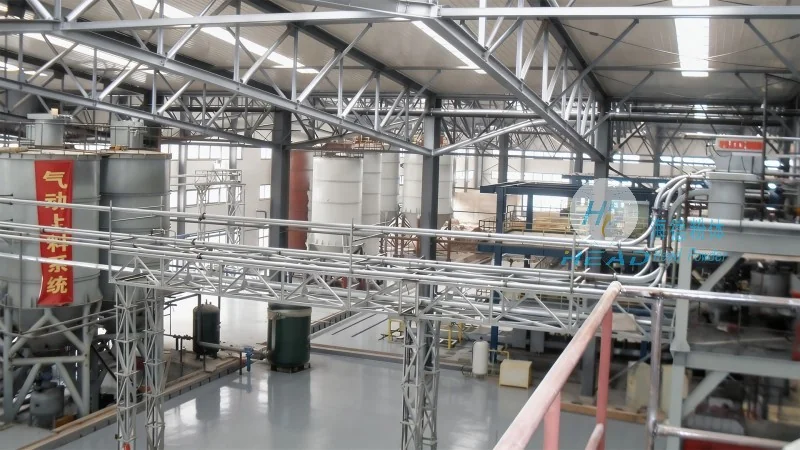
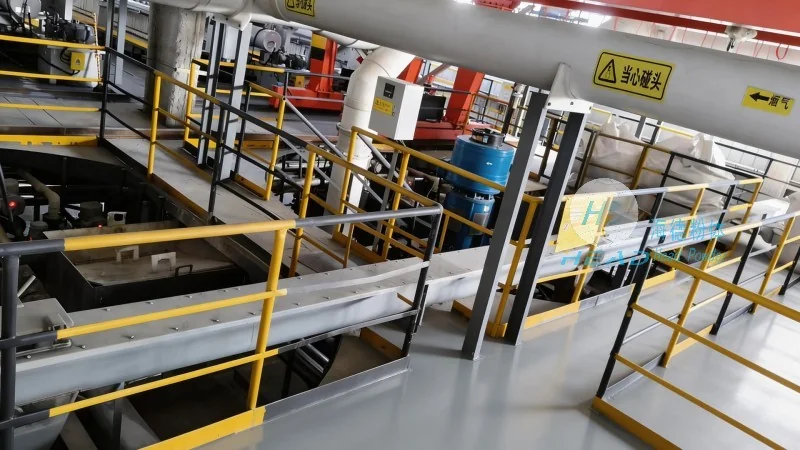
HeadPowder, the company behind these advanced solutions, is a professional engineering firm headquartered in Shandong, China. The company’s full name is Shandong HeadPowder Engineering Co., Ltd., and it has established a strong presence in the field of material handling technologies, particularly for dry ash applications.
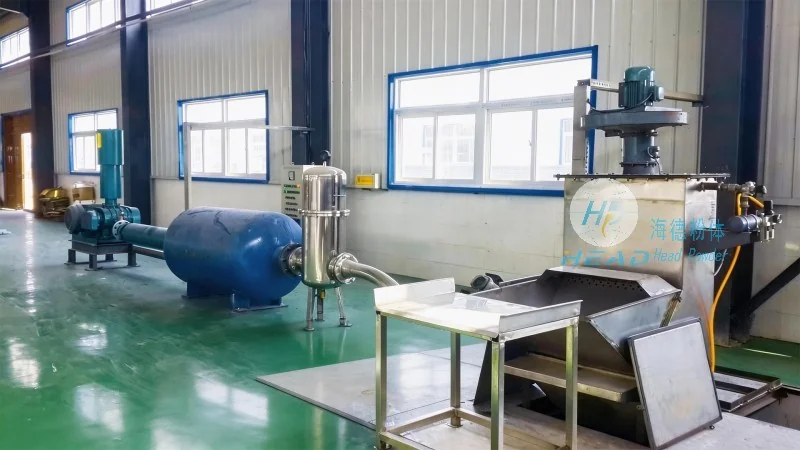
Principle of Dry Ash Material Pneumatic Conveying Lines
The core principle of pneumatic conveying for dry ash materials involves the use of air or gas as the medium to transport bulk materials through a pipeline system. In this process, dry ash particles are suspended in a stream of air, which then carries them from the source to the destination. The system typically operates under pressure, either positive or negative, depending on the specific application requirements. Positive pressure systems use compressed air to push the material through the pipeline, while negative pressure systems create a vacuum to draw the material. The choice between these two methods depends on factors such as the distance of transport, the material's properties, and the desired efficiency. For instance, positive pressure systems are often preferred for short to medium distances and when the material is light and fine, as they can maintain a consistent flow with lower energy consumption. Negative pressure systems, on the other hand, are suitable for longer distances or when the material is heavy and contains larger particles, as they can handle higher pressure differentials and prevent dust leakage. The conveying line consists of several key components, including a feeder, a pipeline, a separator, and a receiver. The feeder is responsible for introducing the dry ash into the system, ensuring a consistent flow. It may be a rotary valve, a screw feeder, or a pneumatic feeder, depending on the material's characteristics and the required flow rate. The pipeline transports the material, often with bends and turns to navigate the path. The pipeline material, such as stainless steel or plastic, is selected based on the material's corrosiveness and the system's pressure requirements. The bends are designed with appropriate radii to minimize pressure loss and prevent material deposition. The separator separates the material from the air, allowing the ash to be collected while the air is either recirculated or discharged. The separator may be a cyclone, a bag filter, or a cartridge filter, depending on the particle size and the required air quality. The receiver stores the transported ash, completing the process. The receiver is typically a hopper or a silo, designed to handle the volume of ash and prevent spillage. The efficiency of the system is influenced by factors like air velocity, particle size, and the system's pressure differential. Proper design and maintenance are crucial to ensure optimal performance and minimize material loss or degradation. For example, maintaining the correct air velocity is essential to keep the particles suspended and prevent blockages. Similarly, regular cleaning and inspection of the separator and receiver can prevent clogging and ensure consistent operation.
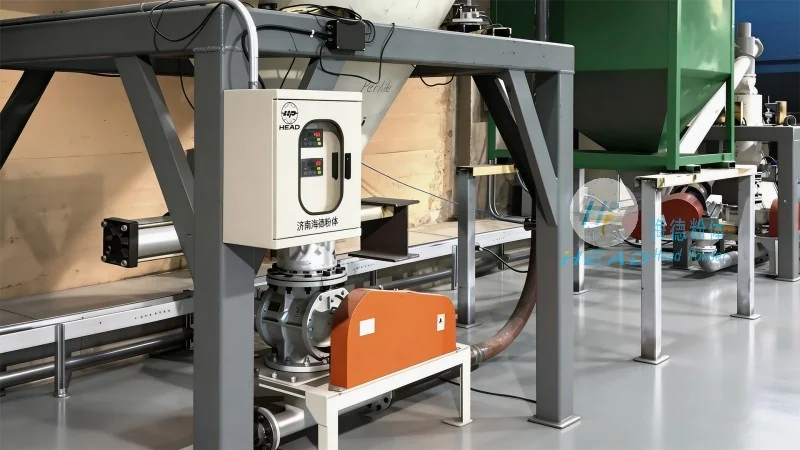
Working Scene Characteristics of Dry Ash Material Pneumatic Conveying Lines
The operational environments for dry ash material pneumatic conveying lines exhibit distinct characteristics that impact their design and functionality. These systems are commonly employed in industrial settings where dry ash is generated as a byproduct, such as in power plants, cement factories, or waste management facilities. The primary characteristic is the need to handle fine, dry particles that can be prone to dusting or agglomeration. This requires careful consideration of the material's properties, including its density, moisture content, and particle size distribution. The conveying lines are often designed to operate in environments with varying temperatures and humidity levels, which can affect the air flow and material behavior. For example, in power plants, the dry ash may be generated at high temperatures and then cooled before transport, requiring the system to handle temperature variations. Another key characteristic is the requirement for dust control and air quality management. Since dry ash is a fine particulate material, the system must incorporate effective dust collection and filtration to prevent environmental contamination and ensure compliance with regulations. The operational environment also involves considerations of space constraints and layout, as the conveying lines may need to navigate around existing structures or equipment. In some cases, the system may need to be installed in confined spaces, requiring compact designs and flexible components. The characteristics of the working scene, including the distance of transport, the number of transfer points, and the required throughput, all influence the system's design and performance. For instance, a power plant may require a long-distance conveying line to transport ash from the boiler to a storage facility, which necessitates a system with high pressure and efficient separation. The working scene characteristics highlight the importance of a well-designed pneumatic conveying line that can adapt to the specific demands of the industrial environment, ensuring reliable and efficient material transport. Additionally, the system must be capable of handling variations in material flow, such as fluctuations in ash production, to maintain consistent operation. This may involve the use of variable speed feeders or pressure control systems to adjust the flow rate as needed. The working scene characteristics also emphasize the need for durability and low maintenance, as the systems operate in harsh industrial conditions. The components must be resistant to corrosion, wear, and high temperatures to ensure long-term performance.