

Principle and Working Scene Characteristics of Powder Tank Truck Material Pneumatic Conveying Lines
HeadPowder, a leading provider in the field, specializes in the design and implementation of pneumatic conveying systems tailored for powder tank trucks. These systems are engineered to efficiently transport bulk powders from the truck to processing facilities, ensuring minimal loss and optimal material handling. The core principle behind such systems involves using air pressure to move powders through a network of pipes, making them an ideal solution for industries dealing with fine or cohesive materials.
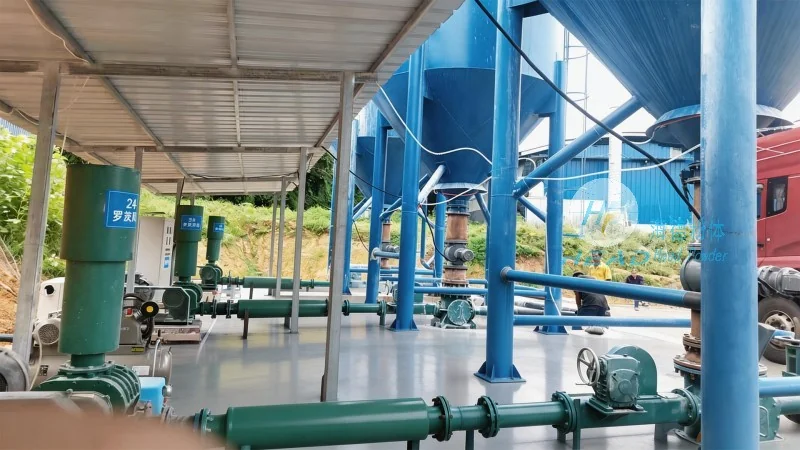
The Fundamental Principle of Pneumatic Conveying
The pneumatic conveying line for powder tank trucks operates on the principle of air flow and pressure differentials. When the truck is connected to the receiving facility, a fan or blower generates a flow of air within the pipeline. This airflow creates a negative pressure (suction) or positive pressure (blow) environment, depending on the system design. The powder is then drawn or pushed through the pipeline by the moving air, traveling from the truck's tank to the processing unit. The system typically includes components such as a hopper, filter, and control valves to manage the flow and ensure material quality. The efficiency of this process is crucial for maintaining product integrity and reducing downtime in industrial operations.
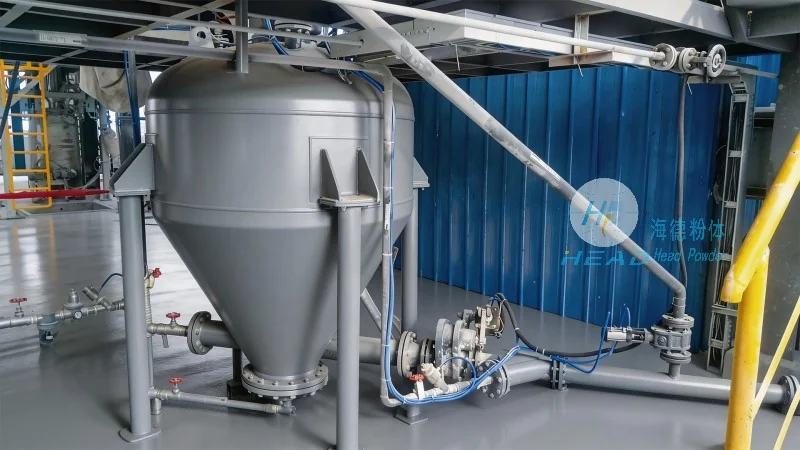
Key Working Scene Characteristics
Working with powder tank trucks presents unique challenges and advantages in material handling. The primary characteristic is the ability to transport powders over long distances without the need for manual handling or intermediate storage. This is particularly beneficial for industries like food processing, pharmaceuticals, and chemical manufacturing, where material contamination and loss must be minimized. The systems are designed to handle various powder types, including fine powders, granules, and even cohesive materials, adapting to different particle sizes and flow properties. Another key aspect is the flexibility of the system, which can be adjusted to accommodate different truck sizes and loading capacities. The working scene also emphasizes safety and compliance, with features like dust suppression and explosion-proof designs to protect both personnel and equipment.
Applications and Industry Impact
HeadPowder's pneumatic conveying lines are widely used in various industrial applications. For instance, in the food industry, these systems are employed to transport flour, sugar, and other dry ingredients from tank trucks to production lines, ensuring a seamless and hygienic transfer process. In the pharmaceutical sector, the systems are crucial for handling active pharmaceutical ingredients (APIs) and excipients, maintaining strict quality control standards. The chemical industry also benefits from these systems when transporting raw materials like pigments, powders, and catalysts, reducing the risk of material degradation during transport. The impact of such systems extends beyond efficiency, as they contribute to cost savings by reducing labor costs and minimizing material waste. Additionally, the systems enhance operational safety by eliminating the need for manual handling of bulk powders, which can be hazardous.
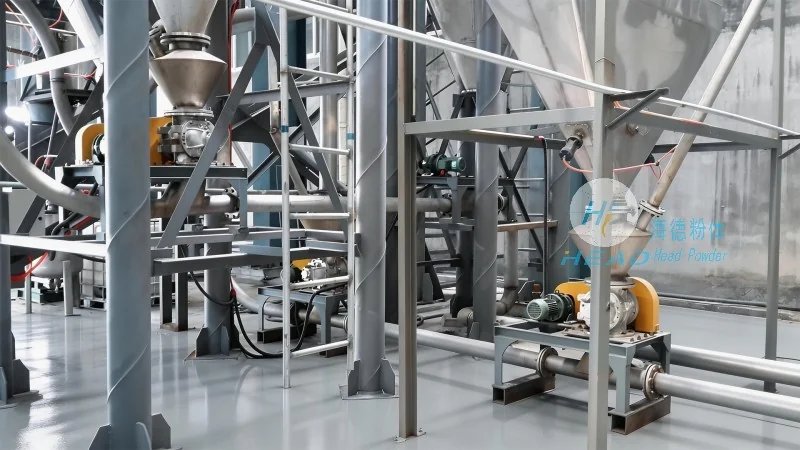
Technical Advancements and Customization
HeadPowder continuously innovates its pneumatic conveying systems to meet evolving industry needs. Modern systems incorporate advanced control technologies, such as variable frequency drives (VFDs) and real-time monitoring, to optimize air flow and energy consumption. The company also offers customized solutions, tailoring the system design to specific truck models, material characteristics, and facility layouts. This customization ensures that the system operates at peak efficiency, minimizing energy costs and maximizing material throughput. The use of high-quality materials, such as stainless steel for the pipeline and components, enhances durability and resistance to corrosion, extending the system's lifespan. Furthermore, the integration of dust collection and filtration systems ensures compliance with environmental regulations, making the operation environmentally friendly.