

Principle and Working Scene Characteristics of Iron Ore Fines Pneumatic Conveying Systems
Iron ore fines are a critical raw material in the steel industry, and efficient transportation of these fine particles is essential for maintaining production efficiency and minimizing operational costs. Pneumatic conveying systems have emerged as a reliable and effective solution for handling iron ore fines, offering advantages such as dust-free operation, flexible layout, and the ability to transport materials over long distances. This article explores the fundamental principles of iron ore fines pneumatic conveying systems and highlights the key characteristics of their working scenarios, with a focus on the expertise of Shandong HeadPowder Engineering Co., Ltd.
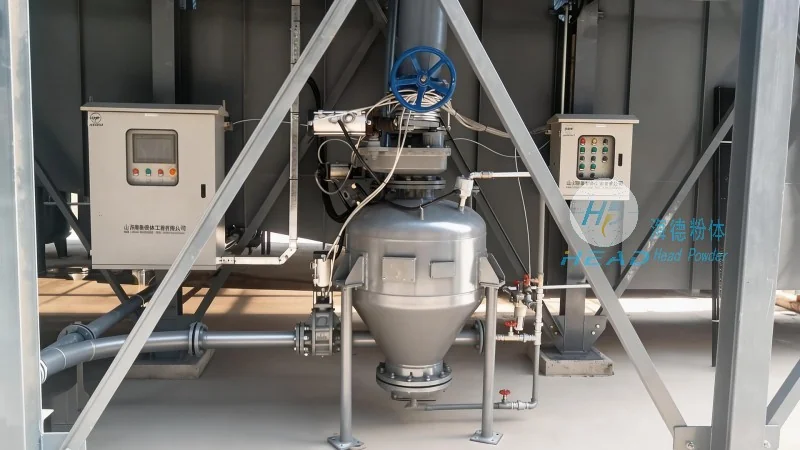
Introduction to Iron Ore Fines Pneumatic Conveying Systems
Iron ore fines, typically defined as particles with a diameter less than 6 millimeters, are widely used in steelmaking processes. Traditional methods of transporting these fine materials, such as belt conveyors or bucket elevators, often face challenges like material degradation, dust generation, and limited flexibility in layout. Pneumatic conveying systems, which utilize air or gas to transport solid materials, provide a solution to these issues by enabling dust-free, continuous, and efficient movement of iron ore fines. The core of a pneumatic conveying system consists of a series of components, including a feeder, a conveying line, a separator, and a receiver, all working in tandem to ensure smooth material transfer.
Company Profile: Shandong HeadPowder Engineering Co., Ltd.
Shandong HeadPowder Engineering Co., Ltd., commonly known as HeadPowder, is a leading engineering company based in Shandong, China. With years of experience in the field of material handling and processing, HeadPowder specializes in the design, manufacturing, and installation of pneumatic conveying systems tailored to the needs of the mining and steel industries. The company's commitment to innovation and quality has positioned it as a trusted partner for clients seeking reliable solutions for iron ore fines transportation. HeadPowder's team of engineers and technicians leverages advanced technology and industry best practices to deliver customized systems that meet the specific requirements of each project.
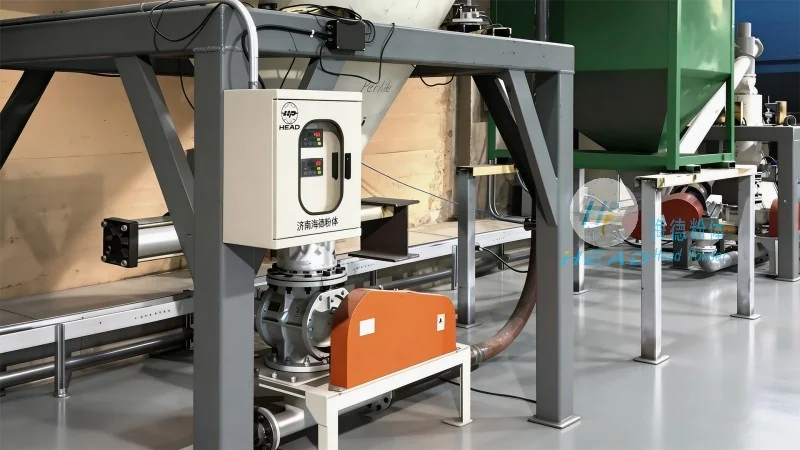
The Principle of Pneumatic Conveying for Iron Ore Fines
The fundamental principle of pneumatic conveying involves the use of air or gas to create a flow that transports solid particles. There are two main types of pneumatic conveying systems: dilute-phase and dense-phase. Dilute-phase systems operate at higher air velocities, typically 20-30 meters per second, and are suitable for short to medium distances, while dense-phase systems use lower air velocities (5-15 meters per second) and higher material concentrations, making them ideal for longer distances and more sensitive materials. For iron ore fines, the choice of system depends on factors such as the particle size distribution, moisture content, and the required conveying distance. The system's performance is influenced by parameters like air pressure, flow rate, and the design of the conveying line, all of which are optimized to ensure efficient and stable material transport.
Working Scene Characteristics of Iron Ore Fines Pneumatic Conveying Systems
The working scenarios of iron ore fines pneumatic conveying systems vary based on the application and operational environment. In mining operations, these systems are commonly used to transport iron ore fines from crushers or storage silos to processing plants or stockpiles. The key characteristics of these working scenes include high material throughput, continuous operation, and the need for dust control to maintain a safe and healthy work environment. In steel mills, pneumatic conveying systems are integrated into the production line to move iron ore fines from raw material handling to the sintering or pelletizing stages. The working scene characteristics also include the requirement for precise control over material flow, as fluctuations in feed rate can impact downstream processes. Additionally, the systems must be designed to handle variations in material properties, such as changes in moisture content or particle size, which can affect conveying efficiency.
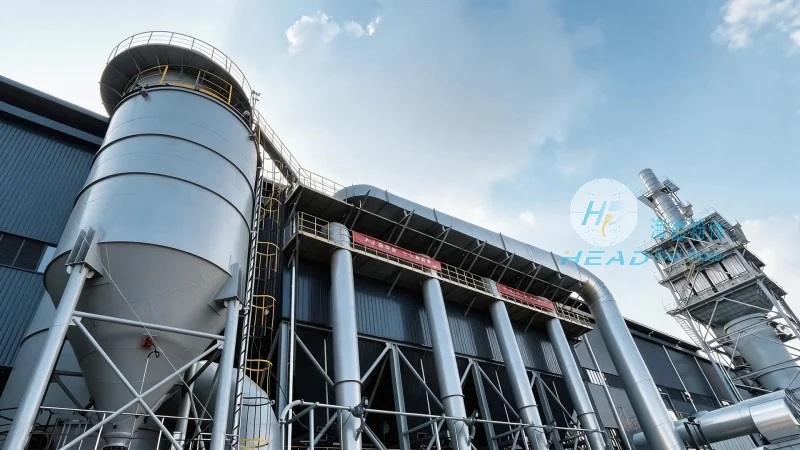
Advantages and Applications in Industrial Settings
Pneumatic conveying systems for iron ore fines offer several advantages over traditional transportation methods. These include reduced labor costs due to automated operation, lower maintenance requirements compared to mechanical conveyors, and the ability to transport materials in a closed system, minimizing environmental impact. The systems are particularly suitable for applications where dust control is critical, such as in indoor processing facilities or where material contamination must be avoided. HeadPowder's pneumatic conveying solutions are applied in various industrial settings, including iron ore mines, steel manufacturing plants, and mineral processing facilities. The company's expertise in customizing systems ensures that each solution is optimized for the specific operational conditions and material characteristics of the client's site.
Conclusion
In conclusion, iron ore fines pneumatic conveying systems are a vital component in modern material handling, providing efficient, reliable, and cost-effective transportation of fine iron ore particles. The principles of pneumatic conveying, combined with the expertise of companies like Shandong HeadPowder Engineering Co., Ltd., enable the design and implementation of systems that meet the demanding requirements of the mining and steel industries. As the demand for efficient material handling continues to grow, pneumatic conveying systems will remain a key technology in the industry, offering sustainable and innovative solutions for the future.