

Principle and Working Scene Characteristics of Cassava Material Pneumatic Conveying Systems
For agricultural processing industries, especially those dealing with cassava, efficient material handling is crucial. Pneumatic conveying systems offer a reliable solution for transporting cassava materials from one location to another. This article explores the fundamental principles behind these systems and highlights the key working scene characteristics that make them suitable for cassava processing applications.
The Core Principle of Pneumatic Conveying
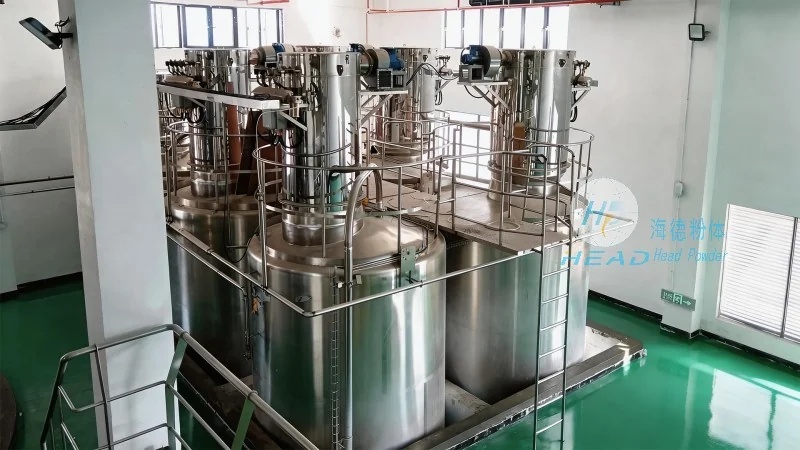
At the heart of a pneumatic conveying system is the use of air or gas to transport bulk materials. In the case of cassava, the system typically involves a hopper where the cassava is stored, a conveyor pipe that transports the material, and a control system to regulate the air flow. The process works by creating a pressure differential between the inlet and outlet of the conveyor pipe. When air is introduced into the pipe, it creates a low-pressure zone that draws the cassava particles along with it. This method allows for the continuous and automated movement of cassava from the storage area to processing units such as mills or drying facilities.
Key Working Scene Characteristics
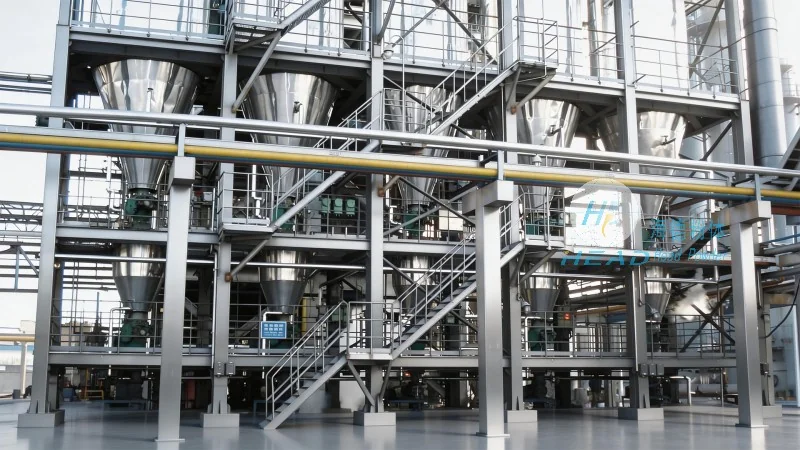
The effectiveness of a pneumatic conveying system in cassava processing is determined by several working scene characteristics. First, the system must be able to handle the specific properties of cassava, including its size, moisture content, and density. The design of the hopper and conveyor pipe must accommodate these characteristics to prevent blockages or material degradation. Second, the system should be capable of operating in a clean and hygienic environment, which is essential for food processing applications. This involves using materials that are resistant to corrosion and easy to clean, such as stainless steel. Third, the system needs to be energy-efficient and cost-effective. By minimizing the need for manual labor and reducing downtime due to maintenance, the system provides a significant return on investment for cassava processing facilities.

Application Scenarios in Cassava Processing
Pneumatic conveying systems are widely used in various stages of cassava processing. In the initial stages, the system can transport raw cassava from storage silos to the milling equipment. This ensures a steady supply of material for the processing line, reducing bottlenecks and improving overall productivity. During the milling process, the system can also convey the processed cassava, such as cassava flour or starch, to storage tanks or packaging areas. Additionally, in drying facilities, the system can transport cassava chips or pellets from the drying chambers to the packaging units. The flexibility of pneumatic conveying allows it to adapt to different processing stages, making it a versatile solution for cassava processing plants.
Advantages of Using Pneumatic Conveying for Cassava
Compared to traditional mechanical conveying methods, pneumatic conveying offers several advantages for cassava processing. One of the primary benefits is the ability to transport materials over long distances without the need for multiple transfer points. This reduces the risk of material contamination and improves the efficiency of the processing line. Another advantage is the reduced risk of product damage. Unlike mechanical conveyors that may cause abrasion or breakage, pneumatic systems use air to move the material, minimizing the risk of physical damage to the cassava. Furthermore, pneumatic conveying systems are more hygienic and easier to clean, which is critical for food processing applications. The enclosed nature of the system prevents dust and other contaminants from entering the processing environment, ensuring compliance with food safety regulations.
Company Overview: Shandong HeadPowder Engineering Co., Ltd.
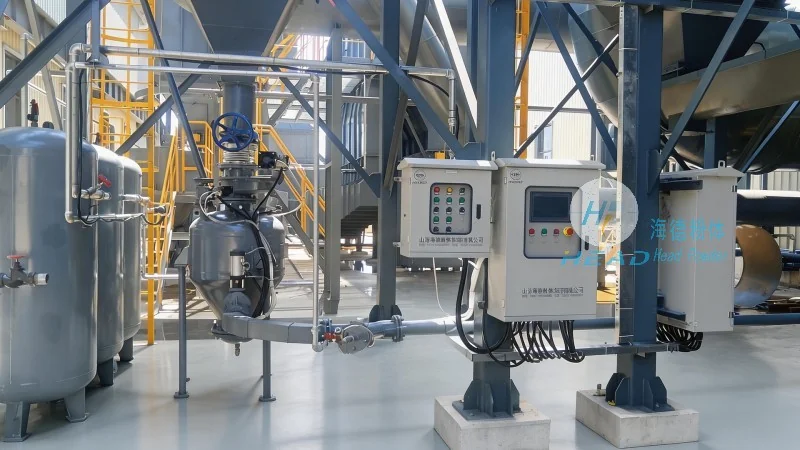
Shandong HeadPowder Engineering Co., Ltd., commonly known as headpowder, is a leading manufacturer of pneumatic conveying systems and related equipment for agricultural processing industries. With a strong focus on innovation and quality, the company has developed advanced solutions tailored to the specific needs of cassava processing. The company's headquarters is located in Shandong, China, where it has a dedicated team of engineers and technicians who specialize in designing and manufacturing efficient and reliable conveying systems. HeadPowder's products are known for their durability, energy efficiency, and ease of maintenance, making them a preferred choice for cassava processing facilities worldwide.