

Principles and Application Scenarios of Pneumatic Conveying for Maltose Materials
Pneumatic conveying is a widely used method for transporting bulk materials, including food ingredients like maltose, through a pipeline system using air or other gases. This technology offers an efficient and hygienic solution for moving maltose from storage to processing areas, or between different stages of production. The principles of pneumatic conveying involve the use of pressure differentials to move material, and its application in maltose handling requires specific considerations due to the material's properties, such as its granular structure and moisture content.
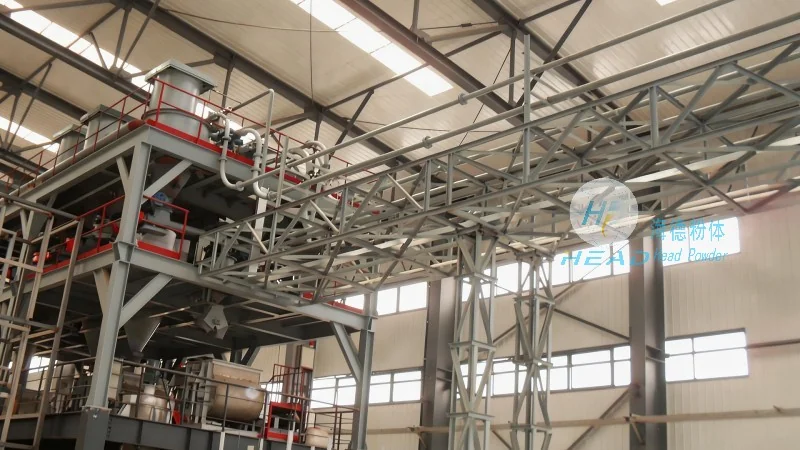
Characteristics of Maltose Materials
Maltose, a disaccharide sugar commonly used in food and beverage production, has distinct physical properties that influence its handling. It typically exists as a granular or powdered form, with a relatively fine particle size that can affect flowability and dust generation. The hygroscopic nature of maltose means it can absorb moisture from the air, which may impact its stability during transport. These characteristics make the selection of an appropriate pneumatic conveying system crucial to ensure minimal product degradation and maintain product quality throughout the process.
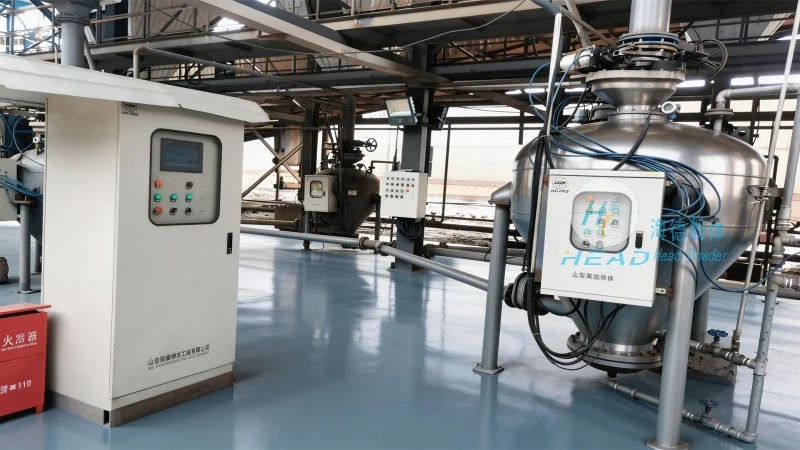
Principles of Pneumatic Conveying for Maltose
The core principle of pneumatic conveying involves creating a pressure difference within a pipeline to move material. There are two main types of systems: suction (or vacuum) conveying and pressure conveying. Suction systems use a vacuum at the receiver to draw material from the source, while pressure systems use compressed air to push material forward. For maltose, suction systems are often preferred due to their ability to handle fine powders and minimize product breakage. The system typically includes a hopper, a rotary valve (which acts as a gate to control material flow), a conveying line (with appropriate diameter and length to minimize pressure drop), a filter to remove dust from the air, and a receiver where the material is deposited. The air is introduced at the source end (for suction) or the discharge end (for pressure) to create the necessary flow. The design of the conveying line, including the number and angle of bends, is critical to ensure efficient material transport without excessive pressure loss or product degradation. For maltose, which is hygroscopic and can clump, the use of air with controlled humidity and temperature is essential to maintain material flowability and prevent blockages.
Application Scenarios and Operational Features
The application of pneumatic conveying for maltose materials is characterized by several key features that enhance operational efficiency and product integrity. One primary scenario is the transfer of maltose from bulk storage silos to processing equipment, such as mixers or reactors, where precise dosing is required. This process often involves continuous or semi-continuous operation, ensuring a steady supply of material to downstream processes. For example, in the production of maltose-based candies, the system can deliver the sugar to a mixing machine at a controlled rate, allowing for consistent product formulation. Another scenario is the integration of pneumatic conveying into automated production lines, where the system can be synchronized with other equipment, such as dosing pumps or reactors, to maintain a smooth workflow. The hygienic design of modern pneumatic conveying systems, including stainless steel components, sealed pipelines, and easy-to-clean surfaces, is essential for food-grade applications like maltose, as it prevents contamination and meets regulatory standards such as FDA or EU food safety guidelines. Additionally, the ability to handle varying material flow rates and adjust conveying parameters (such as air pressure, flow rate, and humidity) allows for flexibility in production, accommodating changes in demand or process requirements. For instance, during peak production periods, the system can be adjusted to increase the flow rate, while during maintenance, it can be reduced to a minimal level without affecting the material's quality.

About Shandong HeadPowder Engineering Co., Ltd.
Shandong HeadPowder Engineering Co., Ltd., commonly known as HeadPowder, is a specialized engineering company based in China, dedicated to providing advanced solutions for material handling and processing. With a focus on industrial applications, HeadPowder offers customized pneumatic conveying systems tailored to the unique needs of clients, including those in the food and beverage industry. The company's expertise lies in designing and manufacturing equipment that ensures efficient, hygienic, and reliable transport of bulk materials like maltose, adhering to industry standards and regulatory requirements. HeadPowder's commitment to quality and innovation has made it a trusted partner for businesses seeking to optimize their material handling processes and enhance overall operational efficiency. HeadPowder is located in Shandong, China, and serves clients globally with its advanced engineering solutions. The company's team of experts has extensive experience in designing and implementing pneumatic conveying systems for various industries, including food, pharmaceuticals, and chemicals. By leveraging cutting-edge technology and adhering to strict quality control measures, HeadPowder ensures that its systems meet the highest standards of performance and reliability. The company's commitment to customer satisfaction and long-term partnerships has established it as a leading provider of material handling solutions in the region and beyond.