

Comparison of Common Sodium Bicarbonate Delivery Methods: Advantages and Disadvantages
For industrial and commercial applications, the efficient and reliable delivery of sodium bicarbonate (NaHCO₃) is crucial for maintaining process stability and operational efficiency. As a key chemical in various industries, including food processing, pharmaceuticals, and water treatment, the method of transporting sodium bicarbonate can significantly impact production outcomes. This article provides a detailed comparison of common sodium bicarbonate delivery methods, examining their advantages and disadvantages to help businesses select the most suitable approach for their specific needs.
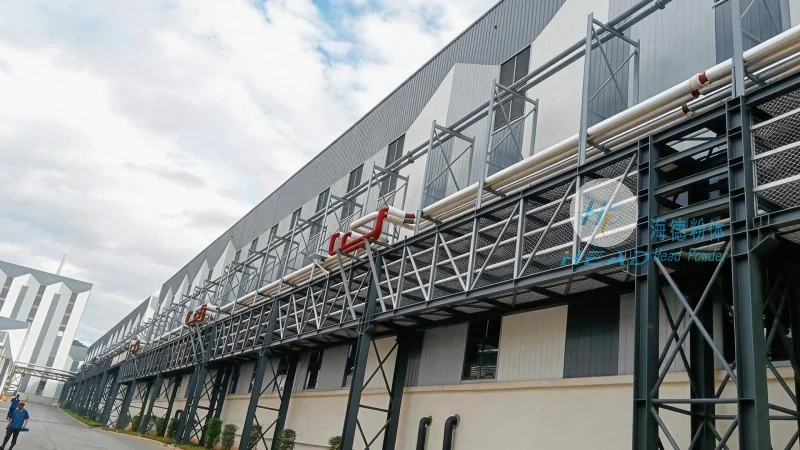
Introduction to Sodium Bicarbonate Delivery
Sodium bicarbonate, also known as baking soda, is widely used in industrial processes due to its buffering properties and chemical reactivity. The choice of delivery method depends on factors such as the application's scale, the required flow rate, the environment (e.g., temperature and pressure), and the need for precise control. Common delivery methods include pump systems, gravity-fed systems, and pressure vessel delivery. Each method has unique characteristics that influence its suitability for different operational scenarios.
1. Pump-Driven Delivery Systems
Pump-driven systems are among the most common methods for transporting sodium bicarbonate, especially in large-scale industrial settings. These systems typically use positive displacement pumps or centrifugal pumps to move the chemical through pipelines. The primary advantage of pump-driven delivery is the ability to achieve high flow rates and maintain consistent pressure, ensuring a steady supply to downstream processes. This is particularly beneficial in applications requiring continuous operation, such as in food processing plants or chemical manufacturing facilities.
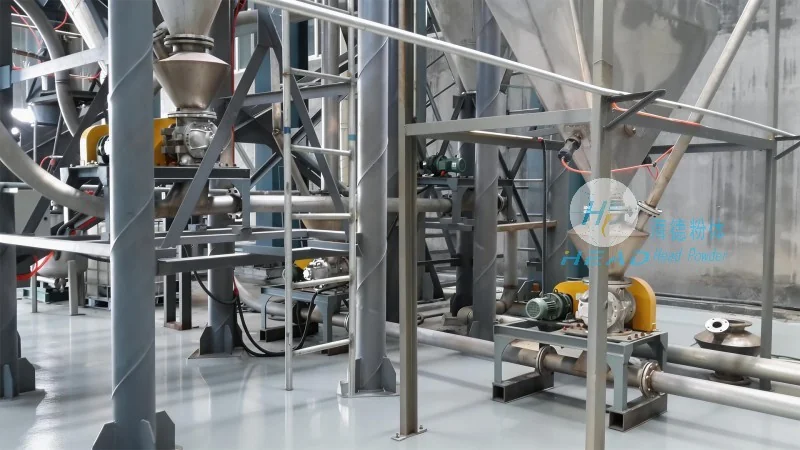
Positive displacement pumps, like gear pumps or piston pumps, are ideal for handling sodium bicarbonate slurries or suspensions, as they provide precise control over flow rates and can handle viscous or abrasive materials. Centrifugal pumps, on the other hand, are suitable for transporting more fluid sodium bicarbonate solutions, offering high efficiency and low maintenance costs. However, pump systems may have limitations when dealing with highly abrasive or corrosive materials, as the pump components can wear out faster, leading to increased maintenance costs and potential downtime.
2. Gravity-Fed Delivery Systems
Gravity-fed systems rely on the natural force of gravity to move sodium bicarbonate from a storage tank to the point of use. This method is often used in smaller-scale applications or where the vertical distance between the storage tank and the process is sufficient to generate the necessary flow. The main advantage of gravity-fed delivery is its simplicity and low operational cost, as it eliminates the need for pumps and associated power consumption. This can result in significant energy savings and reduced maintenance requirements over time.
However, gravity-fed systems are limited by the vertical height available and the density of the sodium bicarbonate solution. If the vertical distance is insufficient, the flow rate may be too low to meet process demands, requiring additional equipment like pressure vessels or booster pumps. Additionally, gravity-fed systems may not provide the same level of control as pump systems, making it challenging to adjust flow rates dynamically in response to changing process conditions. This can impact the consistency of the final product, especially in sensitive applications like pharmaceutical manufacturing.
3. Pressure Vessel Delivery Systems
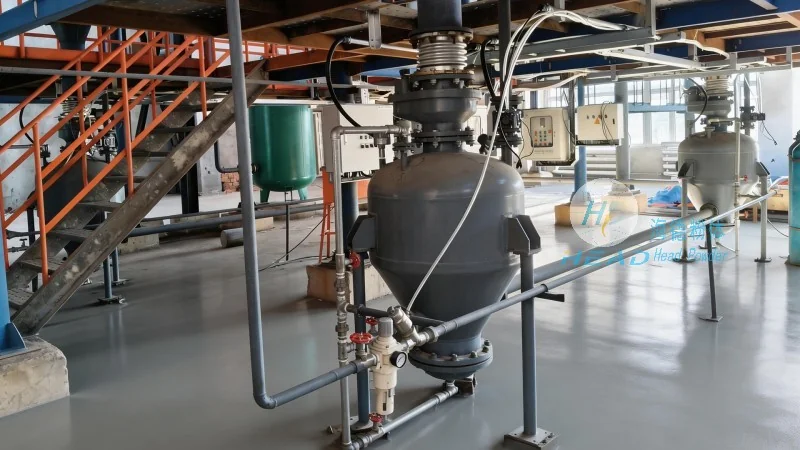
Pressure vessel delivery systems use a pressurized tank to store and deliver sodium bicarbonate. The tank is equipped with a valve system that allows the chemical to be released under controlled pressure, ensuring a steady flow to the process. This method is commonly used in applications where precise dosing is critical, such as in water treatment or chemical synthesis. The primary advantage of pressure vessel delivery is the ability to maintain consistent pressure and flow rates, even when the tank level decreases. This ensures that the process receives a uniform supply of sodium bicarbonate, reducing variability in the final output.
Pressure vessel systems are particularly effective for handling sodium bicarbonate in powder or granular form, as the pressurized environment helps to prevent clogging and ensures smooth flow through the delivery lines. However, these systems require regular monitoring of tank pressure and level to prevent over-pressurization or emptying, which can lead to operational issues. Additionally, the cost of pressure vessels and associated safety equipment may be higher than other delivery methods, making them less suitable for small-scale operations.
4. Comparison and Selection Criteria
When selecting a sodium bicarbonate delivery method, several factors must be considered to ensure optimal performance and cost-effectiveness. The scale of the operation is a key determinant, as larger facilities may require pump-driven systems for high flow rates, while smaller operations can benefit from gravity-fed systems. The required flow rate and pressure also play a significant role, with pump systems offering greater flexibility in these parameters. Additionally, the nature of the sodium bicarbonate (e.g., powder, slurry, or solution) and the presence of abrasive or corrosive materials will influence the choice of pump type and system design.
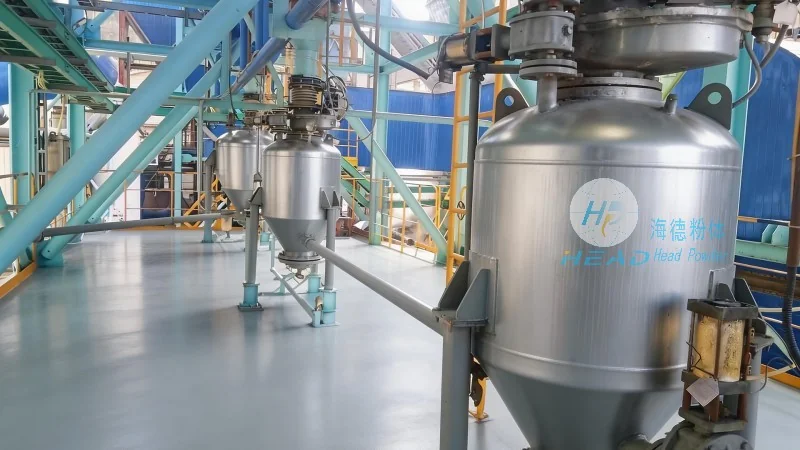
For example, in a food processing plant, a pump-driven system with positive displacement pumps may be preferred to ensure precise dosing of sodium bicarbonate in baking or fermentation processes. In contrast, a water treatment facility might use a gravity-fed system combined with a pressure vessel to maintain consistent pH levels in the water supply. The decision ultimately depends on balancing operational efficiency, cost, and the specific requirements of the application.
Conclusion
Choosing the right sodium bicarbonate delivery method is essential for optimizing industrial processes and ensuring product quality. Each method has its advantages and limitations, and the selection should be based on a thorough analysis of the application's needs. By understanding the characteristics of pump-driven, gravity-fed, and pressure vessel systems, businesses can make informed decisions that enhance operational efficiency, reduce costs, and improve overall process reliability. As a leading supplier of sodium bicarbonate delivery solutions, Shandong HeadPowder Engineering Co., Ltd. (headpowder) offers customized systems tailored to meet the unique requirements of various industries, providing reliable and efficient delivery of sodium bicarbonate for a wide range of applications.