

Principle and Working Scene Characteristics of Aluminum Hydroxide Material Conveying Lines
Shandong HeadPowder Engineering Co., Ltd., a leading enterprise in the field of material handling systems, specializes in the design, manufacturing, and integration of advanced conveying solutions tailored for industrial applications. With a focus on precision and efficiency, the company has developed specialized equipment for handling aluminum hydroxide, a key material in various industries such as chemical processing, pharmaceuticals, and ceramics. This article explores the fundamental principles behind aluminum hydroxide material conveying lines and highlights the specific working scene characteristics that define their operational effectiveness.
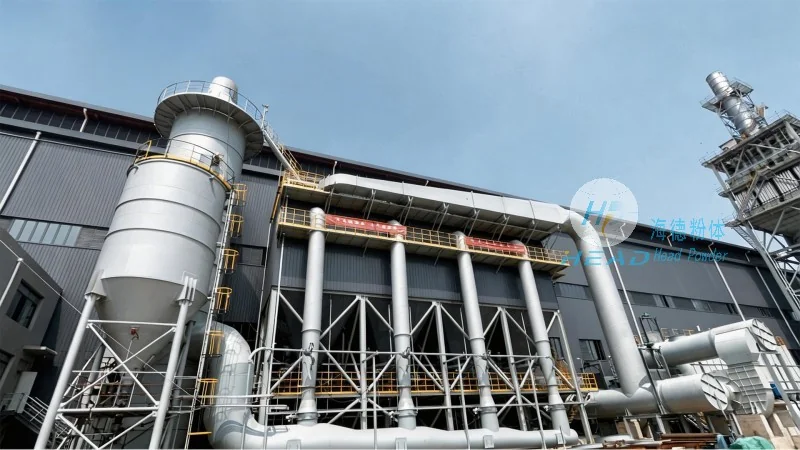
Introduction to Aluminum Hydroxide Material Conveying Lines
Aluminum hydroxide, commonly known as aluminum hydroxide, is a white solid with a chemical formula of Al(OH)₃. It is widely used as a filler, flame retardant, and in the production of aluminum metal. The material's fine particle size and hygroscopic nature make it challenging to transport efficiently. Conventional conveying methods often face issues like dust generation, blockage, and material degradation. To address these challenges, specialized conveying lines have been engineered to ensure safe, reliable, and high-capacity transport of aluminum hydroxide. These systems are designed to handle the unique properties of aluminum hydroxide, including its low bulk density and tendency to adhere to surfaces. The conveying lines typically incorporate features such as enclosed ducts, positive displacement blowers, and flexible hoses to minimize dust exposure and maintain material integrity.
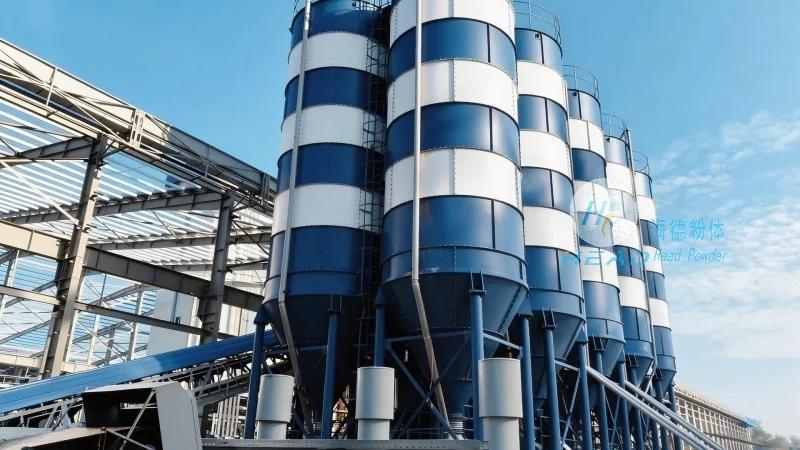
The Core Principles of Aluminum Hydroxide Conveying Systems
The operation of aluminum hydroxide material conveying lines is based on fundamental principles of fluid dynamics and mechanical engineering. The primary mechanism involves the use of air or gas to create a flow of material through a closed system. This is achieved through the application of pressure differentials, which propel the material from the source to the destination. The system typically consists of several key components: a material hopper or feeder, a blower or air compressor, a conveying duct, and a discharge point. The hopper ensures a consistent feed of aluminum hydroxide, while the blower generates the necessary airflow to move the material. The duct is designed to minimize friction and pressure loss, with smooth internal surfaces and appropriate diameters to maintain the flow rate. The discharge point is strategically placed to ensure the material is deposited accurately, avoiding spillage or blockage. The entire system operates under controlled conditions, with sensors and controls to monitor pressure, flow rate, and material level, ensuring optimal performance and safety.
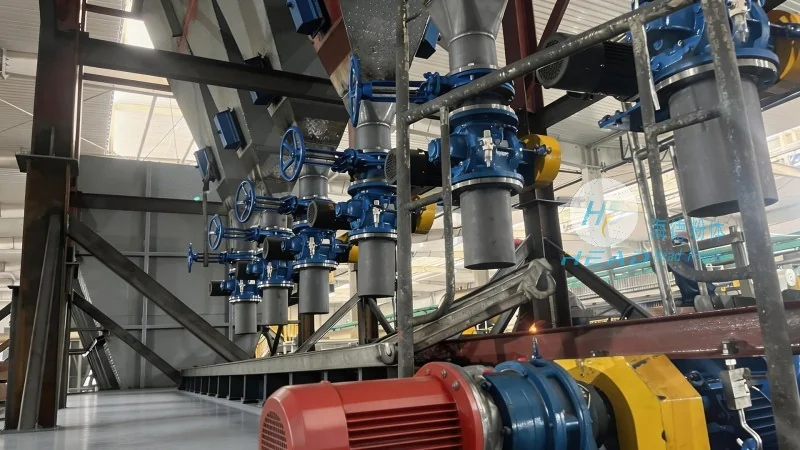
Working Scene Characteristics of Aluminum Hydroxide Conveying Lines
The working scene characteristics of aluminum hydroxide material conveying lines are tailored to the specific demands of industrial environments. These systems are commonly used in large-scale production facilities where aluminum hydroxide is processed in bulk. The key characteristics include high throughput capacity, which allows for continuous operation and reduced downtime. The enclosed design of the conveying lines minimizes dust exposure, which is crucial for maintaining a safe working environment and complying with industrial safety regulations. The flexibility of the system allows for integration with existing production lines, enabling seamless material transfer from storage to processing units. Additionally, the systems are designed to handle varying particle sizes and moisture content, ensuring consistent performance even with material variations. The working scene also emphasizes energy efficiency, with optimized airflow and blower settings to reduce operational costs. The reliability of the conveying lines is further enhanced by regular maintenance schedules and diagnostic tools, which help identify and resolve issues before they impact production.
Advantages and Practical Applications
Aluminum hydroxide material conveying lines offer several advantages that make them indispensable in industrial settings. The primary advantage is the ability to transport material over long distances without the need for manual handling, which reduces labor costs and improves safety. The enclosed system also prevents contamination from external sources, ensuring the material remains pure and free from impurities. Another key advantage is the high capacity and consistent flow rate, which supports continuous production processes. The systems are also adaptable to different production scales, from small-scale laboratory applications to large-scale industrial operations. In practical applications, these conveying lines are used in the production of aluminum metal, where aluminum hydroxide is converted into aluminum oxide (alumina) through calcination. The conveying lines transport the raw material from storage silos to the calcination furnaces, ensuring a steady supply of material for the process. In the pharmaceutical industry, aluminum hydroxide is used as an antacid, and the conveying lines transport it from processing units to packaging facilities. In the ceramics industry, aluminum hydroxide is used as a filler in ceramic glazes, and the conveying lines deliver it to mixing and molding equipment. The versatility of the aluminum hydroxide material conveying lines makes them suitable for a wide range of applications, contributing to the efficiency and productivity of various industrial processes.
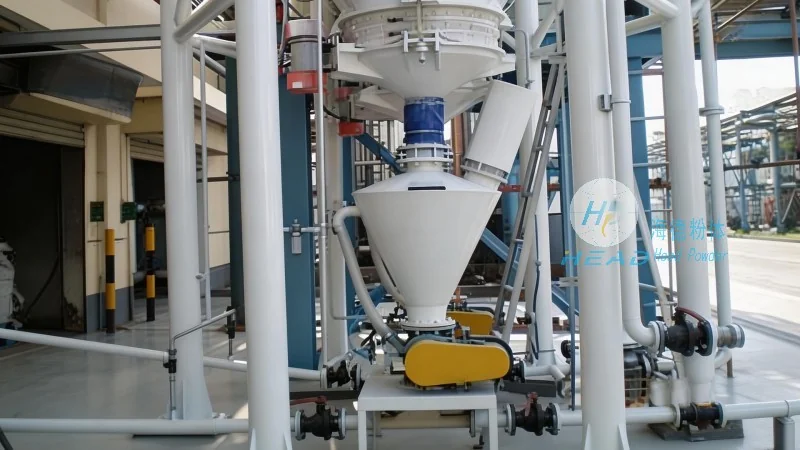
Conclusion
Aluminum hydroxide material conveying lines are sophisticated systems that combine engineering principles with practical design to meet the unique demands of industrial material handling. Developed by Shandong HeadPowder Engineering Co., Ltd., these systems ensure the efficient, safe, and reliable transport of aluminum hydroxide in various industrial applications. The core principles of fluid dynamics and mechanical engineering, combined with tailored working scene characteristics, make these conveying lines an essential component of modern production facilities. By addressing the challenges associated with handling aluminum hydroxide, such as dust generation and material adhesion, the systems enhance operational efficiency and product quality. As industrial processes continue to evolve, the importance of specialized material handling solutions like aluminum hydroxide conveying lines will only grow, supporting the continued development and innovation in industries that rely on aluminum hydroxide as a key material.