

Principles and Working Scene Characteristics of Starch Material Handling System Equipment
Starch material handling systems are critical components in industrial processes where the efficient transportation of starch-based materials is essential. Understanding the underlying principles and operational characteristics of these systems is vital for optimizing production efficiency and ensuring smooth workflow in various industrial applications.
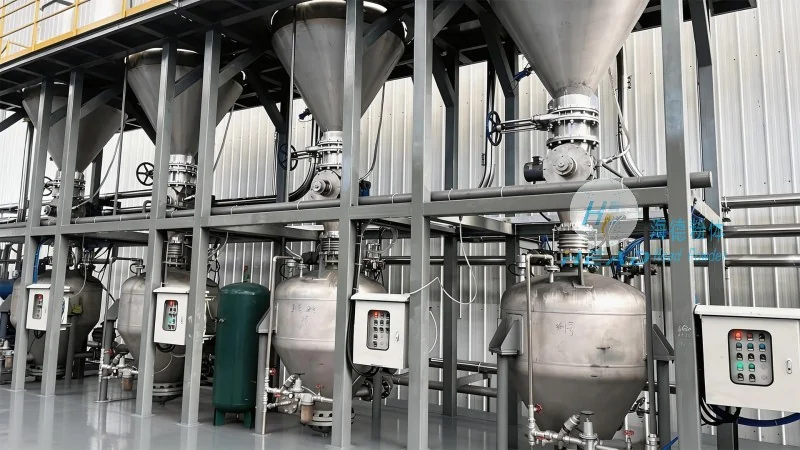
Introduction to Starch Material Handling Systems
HeadPowder, a leading manufacturer based in Shandong, China, specializes in the design, development, and implementation of advanced starch material handling solutions. Our systems are engineered to meet the diverse needs of industries that rely on starch as a key raw material, such as food processing, pharmaceuticals, and chemical manufacturing. By leveraging cutting-edge technology and robust engineering, HeadPowder ensures that starch material handling operations are performed with precision, reliability, and minimal downtime.
The Core Principles of Starch Material Handling Equipment
At the heart of any starch material handling system lies a set of fundamental principles that govern its operation. These principles include the efficient transfer of bulk starch materials from one location to another, maintaining product integrity throughout the process, and ensuring safety for operators and equipment. The systems typically incorporate components like conveyors, elevators, and storage silos, each designed to handle the unique properties of starch, including its granular structure and potential for caking or bridging.
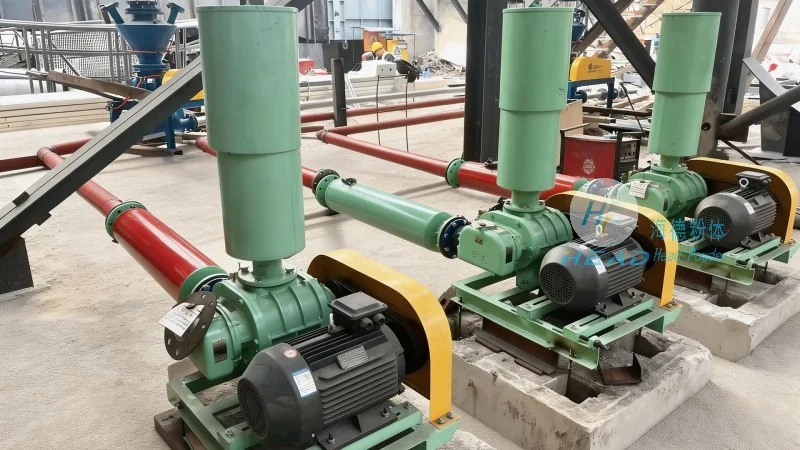
Key to the functionality of these systems is the selection of appropriate equipment based on the specific characteristics of the starch being handled. For instance, the moisture content, particle size, and flowability of the starch will influence the choice of conveyor type—whether it be a belt conveyor, screw conveyor, or pneumatic conveyor. HeadPowder’s expertise lies in tailoring these components to match the exact requirements of each client, ensuring optimal performance and longevity of the equipment.
Working Scene Characteristics of Starch Material Handling Systems
The operational environment and application scenarios of starch material handling systems vary significantly across different industries. In food processing facilities, for example, the systems must adhere to strict hygiene standards, with components made from food-grade materials and easy-to-clean designs. This ensures that the starch remains free from contamination and meets regulatory requirements for food safety.
In pharmaceutical and chemical applications, the focus shifts to precision and control. The systems are designed to handle starch in controlled environments, often with integrated dust collection and filtration systems to prevent airborne particles and maintain a cleanroom-like atmosphere. The ability to handle varying starch qualities and adjust processing parameters in real-time is crucial for maintaining product consistency and quality.
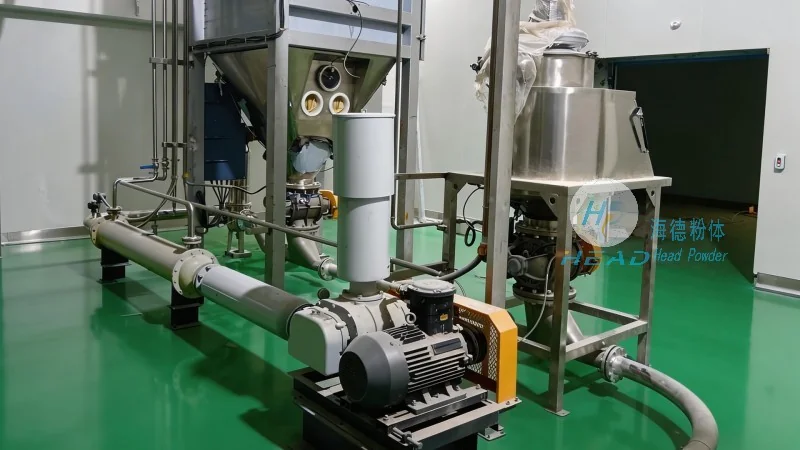
Another important working scene characteristic is the integration of starch material handling systems with other production equipment. In large-scale industrial plants, these systems are often part of a larger automated workflow, where starch is transported from storage silos to processing lines, mixing units, or packaging stations. The seamless integration of these systems enhances overall plant efficiency, reduces manual labor, and minimizes the risk of material loss or contamination.
Advantages of HeadPowder’s Starch Material Handling Solutions
HeadPowder’s starch material handling systems offer several advantages that set them apart in the market. Firstly, our systems are built for durability and reliability, with robust construction that can withstand the rigors of continuous operation in demanding industrial environments. The use of high-quality materials and advanced manufacturing techniques ensures that the equipment has a long service life, reducing maintenance costs and downtime.
Secondly, our solutions are highly customizable to meet the specific needs of each client. Whether it’s a small-scale operation or a large industrial plant, HeadPowder can design and implement a system that fits the exact requirements, including the capacity, speed, and control features needed. This customization ensures that the system operates at peak efficiency, maximizing productivity and minimizing waste.
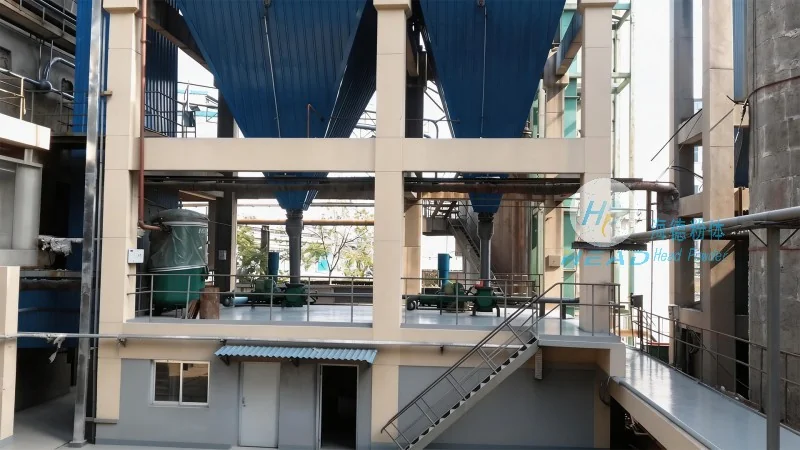
Thirdly, the systems are designed with safety as a top priority. Features such as emergency stop buttons, overload protection, and enclosed designs help prevent accidents and ensure the safety of operators and the surrounding environment. Additionally, the integration of advanced monitoring and control systems allows for real-time tracking of system performance, enabling quick identification and resolution of any issues that may arise.
Conclusion
Starch material handling systems are indispensable in modern industrial operations, and the principles and characteristics of these systems play a critical role in their effectiveness. HeadPowder, with its expertise and commitment to quality, provides comprehensive solutions that address the unique challenges of starch handling. By understanding the core principles and working scene characteristics of these systems, industries can optimize their operations, improve efficiency, and ensure the consistent quality of their products. For businesses seeking reliable and efficient starch material handling solutions, HeadPowder stands as a trusted partner, delivering innovative and robust systems that meet the highest standards of performance and safety.