

Principles and Working Scene Characteristics of Dust Material Conveying Lines
HeadPowder, a leading provider of industrial conveying solutions, specializes in the design and implementation of dust material conveying lines. These systems are crucial for efficiently transporting fine particulate materials in various industrial settings. Understanding the underlying principles and the specific characteristics of these working scenarios is essential for optimizing operational efficiency and ensuring compliance with safety and environmental standards.
Principles of Dust Material Conveying Lines
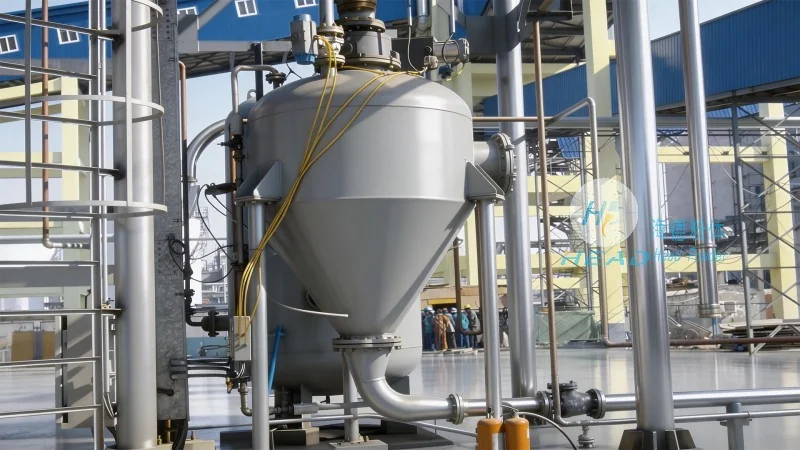
The core principle of dust material conveying lines involves the movement of particulate materials, often in the form of fine powders or granules, from one location to another. This is typically achieved through mechanical or pneumatic (air-driven) methods. Mechanical systems may include screw conveyors, belt conveyors, or bucket elevators, which rely on physical force to move materials. Pneumatic systems, on the other hand, use compressed air or other gases to create a flow of material through a pipeline. The choice of system depends on factors such as the material's properties—like density, moisture content, and abrasiveness—and the distance and elevation changes required for transport.
In pneumatic conveying, for instance, materials are fed into a hopper and then drawn into a pipeline by a vacuum or pressure source. The air and material mixture travels through the pipeline, with the air providing the necessary force to move the particles. This method is particularly effective for handling dusty or hazardous materials, as it can be enclosed to prevent dust emissions. Mechanical conveyors, while often more suitable for bulkier or heavier materials, offer advantages in terms of lower energy consumption and simpler maintenance for certain applications.

Working Scene Characteristics of Dust Material Conveying Lines
The working scene characteristics of dust material conveying lines vary significantly based on the industry and the specific material being handled. In chemical manufacturing, for example, these systems are used to transport raw materials like powders and granules to reactors or storage tanks. The key characteristics here include the need for precise control over material flow to avoid clogging or overloading equipment, as well as the requirement for dust containment to prevent environmental contamination and ensure worker safety.
In the metallurgical industry, dust material conveying lines are essential for transporting ore, slag, or other byproducts from processing units to storage or disposal sites. The working scene in this sector often involves high temperatures and abrasive materials, which demands robust and durable equipment. The systems must be designed to withstand harsh conditions while maintaining consistent material flow rates. Additionally, the presence of heavy machinery and large-scale operations means that reliability and low downtime are critical factors in selecting the appropriate conveying solution.
In the food and pharmaceutical industries, the working scene characteristics shift towards stringent hygiene and safety requirements. Dust material conveying lines must be constructed from materials that are easy to clean and sanitize, and the systems must be enclosed to prevent cross-contamination. The flow rates are often lower and more controlled, as the materials are sensitive and require minimal handling to preserve quality. These characteristics highlight the importance of customizing the conveying system to meet the specific needs of each application.
Application Scenarios and Operational Efficiency
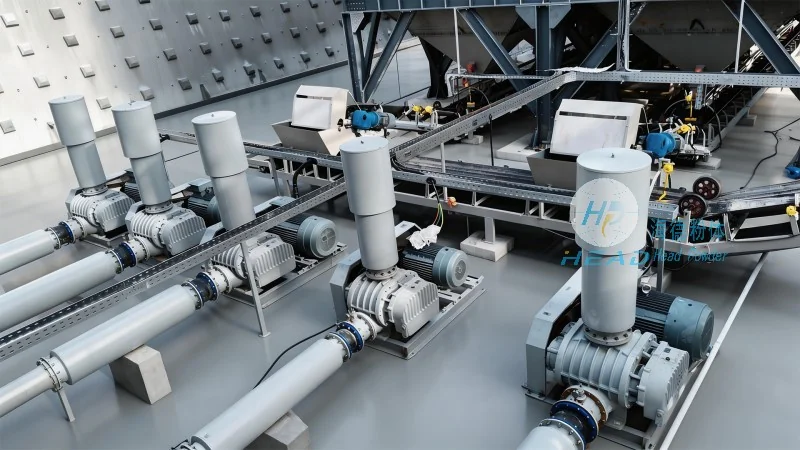
HeadPowder's expertise lies in tailoring dust material conveying lines to meet the unique operational requirements of different industries. By analyzing the material properties, process flow, and environmental constraints, the company designs systems that optimize throughput, reduce energy consumption, and enhance overall operational efficiency. For instance, in a cement plant, a combination of pneumatic and mechanical conveyors may be used to transport raw materials from the quarry to the kiln, with the pneumatic system handling fine powders and the mechanical system handling bulkier aggregates.
The working scene characteristics also influence the choice of components, such as the type of hoppers, pipelines, and control systems. In dusty environments, enclosed and sealed systems are preferred to prevent dust leakage and protect personnel. The control systems, often integrated with sensors and automation, allow for real-time monitoring of material flow, pressure, and temperature, enabling quick adjustments to maintain optimal performance.
Ensuring Compliance and Safety
As dust material conveying lines are used in environments where dust is a potential hazard, compliance with safety and environmental regulations is paramount. HeadPowder ensures that all systems are designed and manufactured to meet local and international standards, such as those related to dust explosion prevention and emission control. The use of explosion-proof motors, proper ventilation systems, and regular maintenance schedules helps mitigate risks and ensure safe operation.
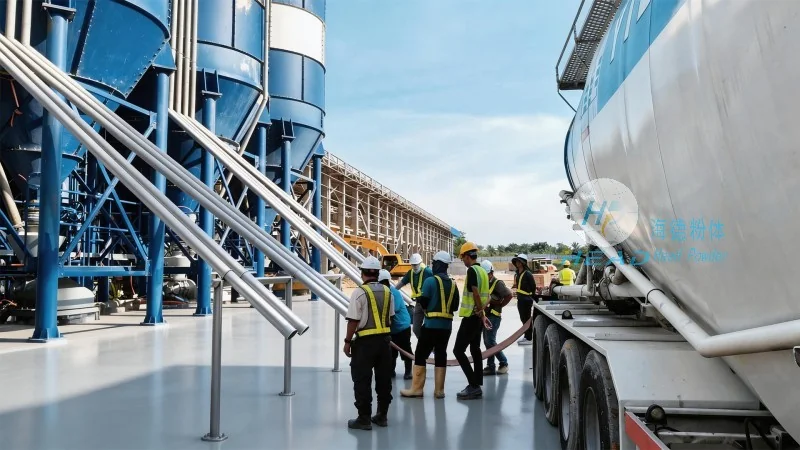
The company also emphasizes the importance of regular maintenance and inspection to prevent equipment failure and maintain consistent performance. By providing comprehensive after-sales support, including technical assistance and spare parts availability, HeadPowder helps clients maintain the reliability and efficiency of their dust material conveying lines over the long term.
Conclusion
Dust material conveying lines are critical components in many industrial processes, and their proper design and implementation are essential for operational success. HeadPowder, with its expertise in engineering and manufacturing, offers customized solutions that address the specific principles and working scene characteristics of each application. By focusing on efficiency, safety, and compliance, these systems contribute to improved productivity and reduced operational costs in various industries.