

Principles and Working Scene Characteristics of Waste Material Conveying Equipment
Shandong HeadPowder Engineering Co., Ltd., a leading manufacturer based in Shandong, China, specializes in the design, development, and production of advanced waste material conveying equipment. This equipment is engineered to efficiently handle various types of waste materials, including solid waste, industrial byproducts, and other bulk materials, ensuring smooth and reliable material transport in different industrial and municipal applications.
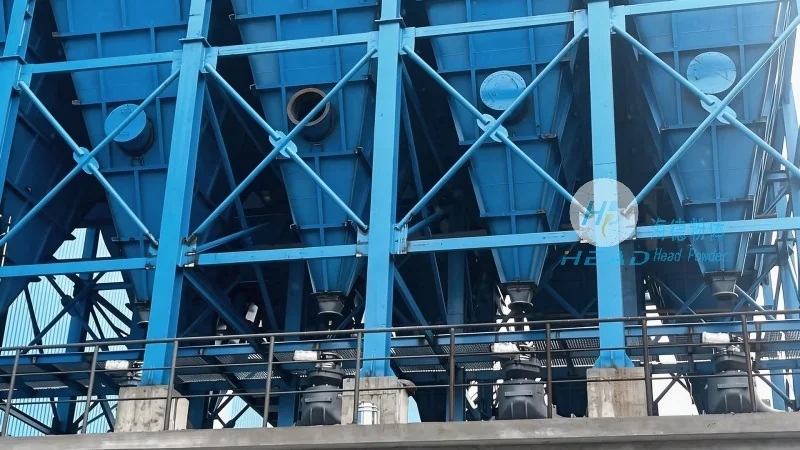
Principles of Waste Material Conveying Equipment
The core principle of waste material conveying equipment lies in its ability to transport bulk materials from one location to another through a series of mechanical components. These systems typically incorporate conveyor belts, rollers, or other transport mechanisms that move materials along a defined path. The design of such equipment is tailored to the specific characteristics of the waste material, such as size, weight, and moisture content, to ensure optimal performance and minimal operational issues. For instance, in the case of heavy-duty industrial waste, equipment with robust frames and high-capacity conveyor systems is employed to handle large volumes efficiently. The mechanical design also emphasizes durability and low maintenance, as waste handling environments can be harsh and demanding. By integrating advanced engineering principles, the equipment achieves high throughput rates while maintaining energy efficiency, making it a cost-effective solution for waste management operations.
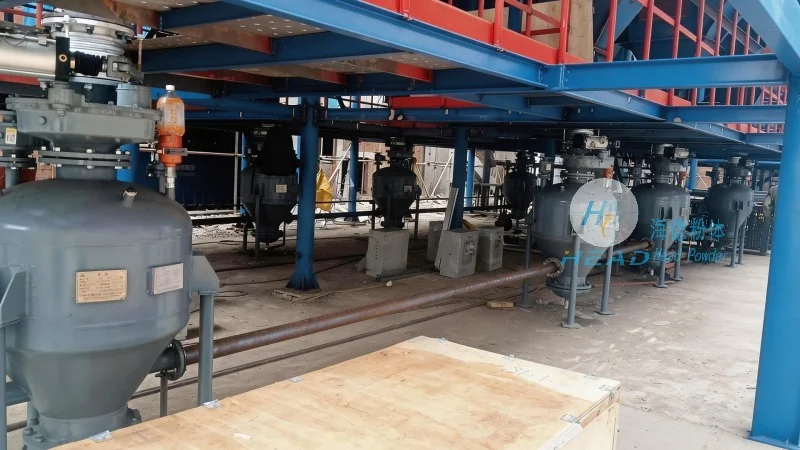
Working Scene Characteristics of Waste Material Conveying Equipment
The working scene characteristics of waste material conveying equipment vary significantly based on the application and environment. In municipal waste management, these systems are commonly used in landfills, recycling centers, and waste sorting facilities to transport sorted materials like plastics, metals, and paper. The equipment operates in outdoor settings, often exposed to weather conditions, and requires robust construction to withstand environmental factors. In industrial settings, such as manufacturing plants and processing facilities, the equipment handles waste generated during production processes, including scrap materials and byproducts. Here, the equipment is integrated into existing production lines, requiring seamless coordination with other machinery. The working environment may involve high temperatures or chemical exposure, necessitating corrosion-resistant materials and specialized components. Additionally, the equipment is designed to handle different waste types, from dry and granular materials to wet and bulky waste, showcasing versatility in its operational capabilities. The working scene also includes considerations for safety and compliance with environmental regulations, ensuring that the equipment operates in an environmentally responsible manner.
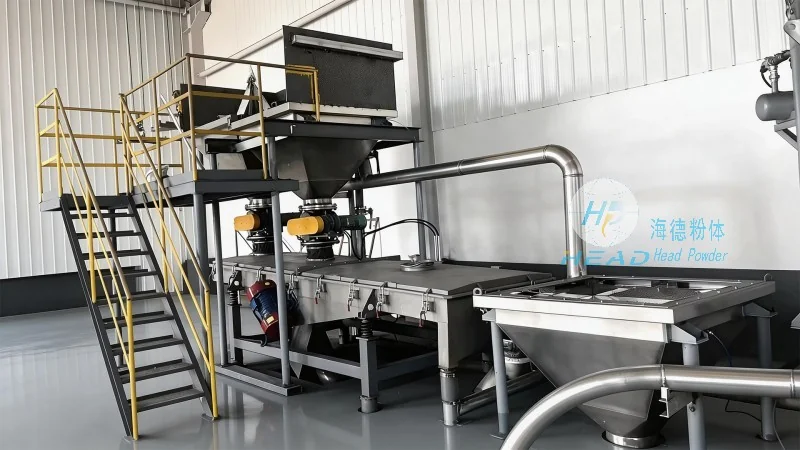
Key Features and Advantages of Waste Material Conveying Equipment
Waste material conveying equipment from Shandong HeadPowder Engineering Co., Ltd. offers several key features that enhance its performance and reliability. One of the primary advantages is the high efficiency in material transport, achieved through optimized conveyor systems that minimize downtime and maximize throughput. The equipment is designed with modular components, allowing for easy installation and maintenance, which reduces operational costs and increases equipment lifespan. Another significant feature is the adaptability to various waste types, as the systems can be customized to handle different material characteristics, such as varying sizes or moisture levels. This flexibility makes the equipment suitable for diverse applications, from small-scale waste management to large-scale industrial operations. Furthermore, the equipment incorporates advanced control systems that enable precise monitoring and adjustment of operational parameters, ensuring consistent performance and reducing the risk of material blockages or system failures. The use of high-quality materials and rigorous quality control processes ensures that the equipment meets industry standards and provides long-term reliability, making it a trusted solution for waste handling needs.
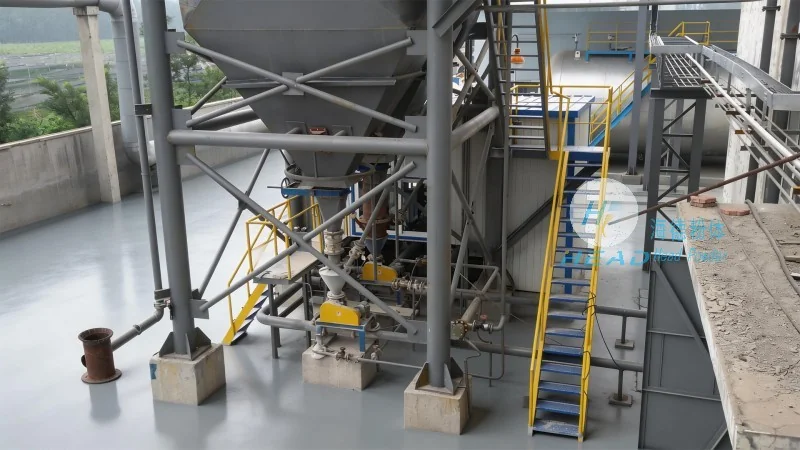
Applications and Operational Benefits
The applications of waste material conveying equipment span across various sectors, including municipal waste management, industrial processing, and recycling industries. In municipal settings, the equipment plays a crucial role in streamlining waste collection and transportation processes, reducing the manual labor required and improving overall efficiency. For example, in recycling centers, the equipment efficiently transports sorted recyclables to processing units, facilitating the recycling process and reducing waste sent to landfills. In industrial applications, the equipment handles waste generated during manufacturing, such as metal scraps or plastic waste, which can be recycled or disposed of properly. This not only reduces environmental impact but also contributes to cost savings by recovering valuable materials. The operational benefits of these systems include increased productivity, reduced labor costs, and improved safety in waste handling operations. By automating the material transport process, the equipment minimizes human exposure to hazardous waste materials, enhancing workplace safety. Additionally, the equipment's energy-efficient design helps lower operational costs, making it a sustainable solution for waste management. Overall, the waste material conveying equipment from Shandong HeadPowder Engineering Co., Ltd. provides a comprehensive solution for efficient and reliable waste handling, supporting both environmental sustainability and operational efficiency.