

Principles and Working Scene Characteristics of Fine Chemical Material Handling Systems
Shandong HeadPowder Engineering Co., Ltd., a leading enterprise based in Shandong, China, specializes in the design, manufacturing, and integration of advanced material handling systems tailored for the fine chemical industry. Our systems are engineered to meet the stringent requirements of precision, efficiency, and safety in processing and transporting high-value chemical substances. This article delves into the core principles underlying these systems and highlights the key characteristics of their application across various industrial scenarios.
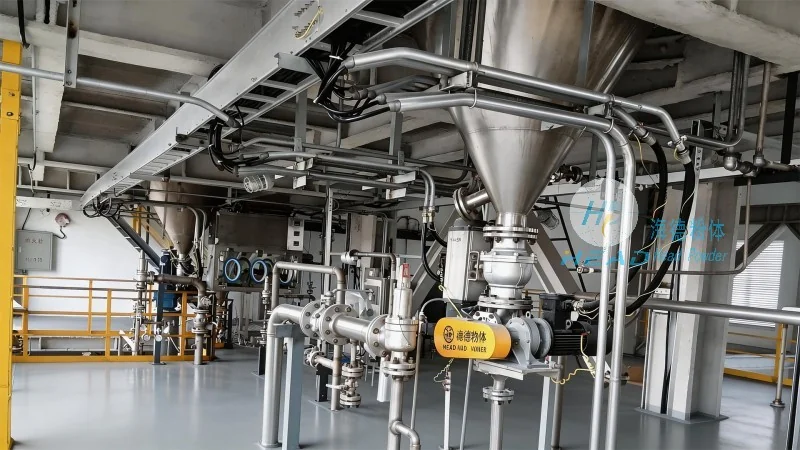
Core Principles of Fine Chemical Material Handling Systems
The fundamental principle of fine chemical material handling systems revolves around the precise control of fluid dynamics and material flow. These systems typically incorporate high-performance pumps, such as centrifugal or positive displacement pumps, which are selected based on the specific properties of the chemicals being handled—such as viscosity, corrosiveness, and temperature sensitivity. The design emphasizes minimal shear and shear stress to preserve the integrity of sensitive materials, which is critical in applications like pharmaceuticals and specialty chemicals. Additionally, the systems utilize robust piping and sealing technologies to prevent contamination and ensure leak-free operation, adhering to industry standards like GMP (Good Manufacturing Practice) and FDA regulations where applicable.
Working Scene Characteristics and Application Examples
1. Pharmaceutical Manufacturing: In pharmaceutical production, fine chemical material handling systems are essential for transporting active pharmaceutical ingredients (APIs), excipients, and intermediates. The systems are designed to maintain sterile conditions and prevent cross-contamination, with features like CIP (Clean-In-Place) and SIP (Sterilize-In-Place) capabilities. For example, in the production of antibiotics or vaccines, the precision of the material flow directly impacts product quality and batch consistency. Our systems are equipped with inline sensors and automated control mechanisms to ensure accurate dosing and prevent over- or under-processing.
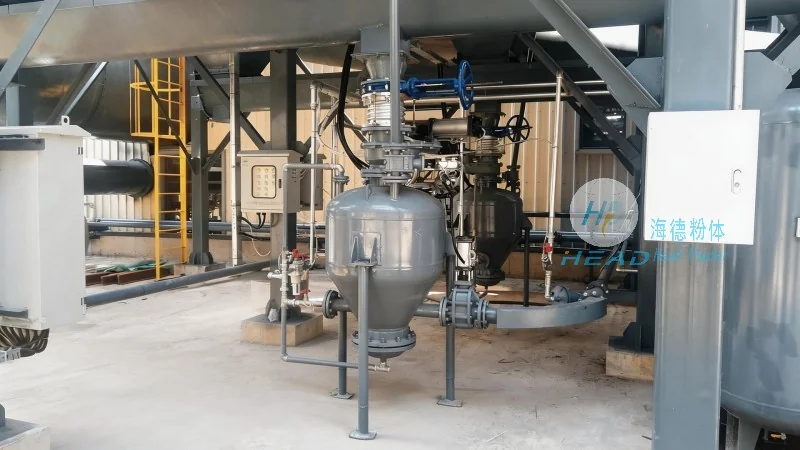
2. Specialty Chemical Processing: For specialty chemicals, such as pigments, coatings, and adhesives, the handling systems must accommodate a wide range of viscosities and chemical compatibility. The use of flexible hoses, specialized valves, and temperature-controlled pipelines allows for the efficient transfer of these materials from storage tanks to processing equipment. The systems are often integrated with batch control software to manage complex recipes and ensure uniform product characteristics. In this sector, the ability to handle high-purity materials without degradation is paramount, as any impurity can affect the final product's performance.
3. Chemical Research and Development: In R&D laboratories, fine chemical material handling systems support the handling of small-scale, experimental batches. These systems are typically modular and scalable, allowing researchers to adjust the flow rate and processing parameters as needed. The compact design and easy-to-clean components make them suitable for environments where sample integrity and reproducibility are critical. The integration of analytical sensors, such as pH meters or conductivity probes, enables real-time monitoring of the material's properties during transfer, facilitating data-driven decision-making in the development process.
Key Advantages and Technical Features
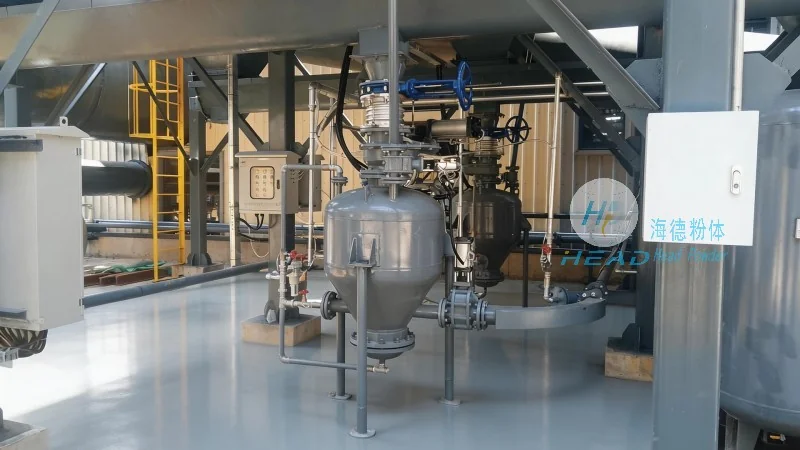
Shandong HeadPowder Engineering Co., Ltd.'s material handling systems offer several advantages that set them apart in the fine chemical industry. Firstly, the systems are built with corrosion-resistant materials, such as stainless steel and PTFE, to withstand the aggressive nature of many chemicals. This ensures long-term durability and reduces maintenance costs. Secondly, the advanced control systems provide real-time monitoring and data logging, allowing operators to track performance metrics and identify potential issues before they escalate. Thirdly, the modular design allows for easy customization and expansion, enabling businesses to adapt their systems as their production needs evolve. For instance, a company starting with a small-scale operation can gradually add components to scale up production without replacing the entire system.
Conclusion
Shandong HeadPowder Engineering Co., Ltd. provides comprehensive solutions for fine chemical material handling, combining advanced engineering principles with practical application expertise. Our systems are designed to meet the unique challenges of the fine chemical industry, ensuring efficiency, safety, and product quality. By understanding the core principles and working scene characteristics of these systems, businesses can optimize their material handling processes and enhance overall operational performance. Whether in pharmaceutical manufacturing, specialty chemical processing, or R&D, our solutions are tailored to deliver reliable and effective material transfer solutions.