

Principles and Application Scenarios of Dry Powder Bulk Material Handling Systems
Shandong HeadPowder Engineering Co., Ltd., commonly known as headpowder, is a professional manufacturer specializing in the design, development, and production of dry powder bulk material handling systems. The company is headquartered in Shandong, China, and has established a strong presence in the industry with a focus on providing reliable and efficient solutions for powder handling applications.
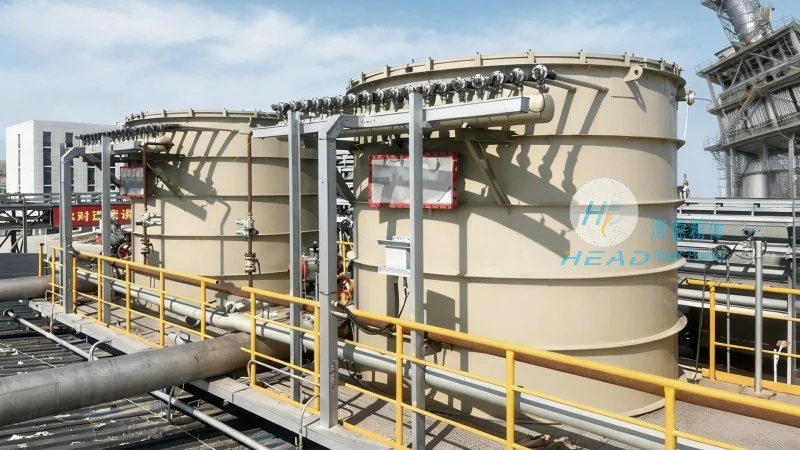
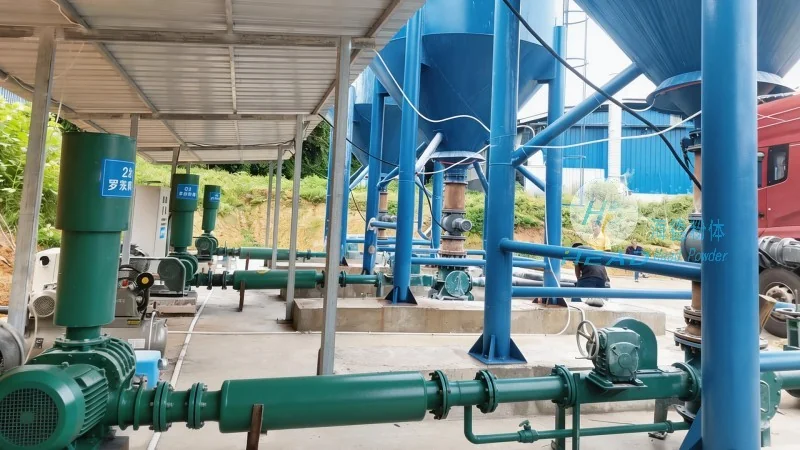
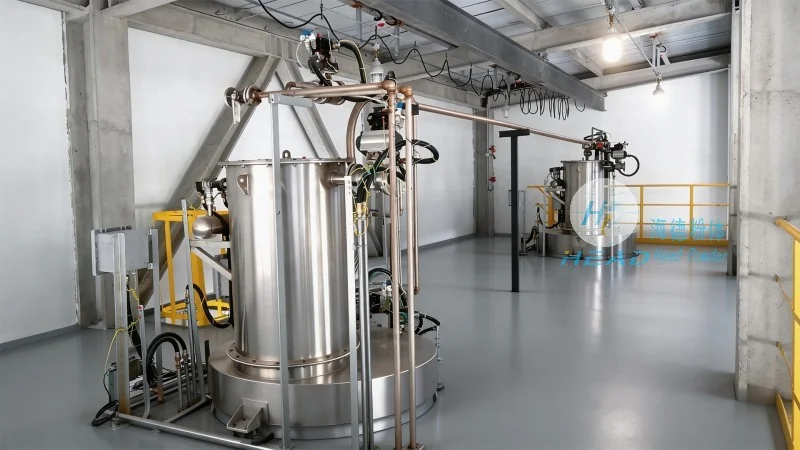
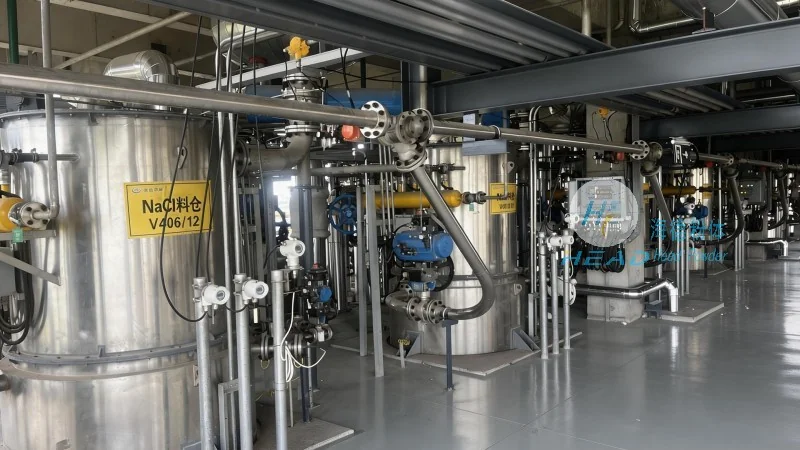
Principles of Dry Powder Bulk Material Handling Systems
Dry powder bulk material handling systems are engineered to transport and manage dry powders and granular materials efficiently. The core principle involves the use of specialized equipment such as screw conveyors, pneumatic conveyors, and bucket elevators, which operate based on mechanical or pneumatic forces to move materials from one location to another. These systems are designed to maintain the integrity of the material, preventing segregation, caking, or degradation during transport. The selection of the appropriate conveyor type depends on factors like material properties, required throughput, and system layout. For instance, screw conveyors are ideal for horizontal or slight incline transport of free-flowing powders, while pneumatic conveyors are suitable for longer distances or when the material is dusty or requires dust control measures. The system typically includes components like hoppers for material storage, feeders to regulate flow, and control valves to adjust the conveying rate. The overall design ensures minimal material degradation and optimal energy efficiency, making it suitable for various industrial applications. Furthermore, advanced systems may incorporate features like variable speed drives, which allow precise control over the conveying speed, and material sensors that monitor flow rates and detect blockages or overloads. These enhancements improve system reliability and operational safety, ensuring consistent performance in demanding environments.
Application Scenarios and Operational Characteristics
The working scenarios of dry powder bulk material handling systems vary widely across different industries. In the pharmaceutical sector, these systems are used for transporting active pharmaceutical ingredients (APIs) and excipients with strict purity requirements, where contamination control and material integrity are paramount. The equipment is often designed with stainless steel components and closed-loop systems to prevent cross-contamination and maintain product quality. In the food industry, similar systems handle dry ingredients like flour, sugar, and spices, with considerations for hygiene, temperature control, and flavor preservation. The systems may incorporate temperature-controlled hoppers and gentle conveying mechanisms to avoid product degradation. In the chemical industry, bulk materials like powders for manufacturing processes are handled with systems that can handle abrasive or corrosive materials, featuring durable construction and specialized liners to protect against wear and chemical attack. The operational characteristics of these systems include high throughput capabilities, adjustable speed controls, and the ability to handle varying material densities and flow rates. Additionally, modern systems often include monitoring and control systems that allow real-time tracking of material flow, ensuring efficient operation and reducing downtime. The versatility of dry powder bulk material handling systems makes them adaptable to diverse industrial needs, from small-scale laboratory applications to large-scale production lines. For example, in the cement industry, these systems are used to transport raw materials and finished products, while in the mining sector, they handle ore powders and other bulk materials. The ability to customize the system to meet specific operational requirements further enhances its applicability across various sectors.