

Principle and Working Scene Characteristics of Denitrization Fly Ash Powder Conveying Lines
Denitrization fly ash, a byproduct of flue gas desulfurization and denitrification processes in thermal power plants, requires efficient and reliable transportation systems to manage its handling and disposal. The powder conveying line for denitrization fly ash is a specialized system designed to transport this fine particulate material from the denitrification unit to storage or disposal sites. This article explores the fundamental principles behind such systems and highlights key working scene characteristics that define their application in industrial settings.
Company Overview: Shandong HeadPowder Engineering Co., Ltd.
HeadPowder, a leading engineering firm based in Shandong, China, specializes in the design, manufacturing, and installation of advanced powder handling systems. With a strong commitment to innovation and quality, the company has established itself as a trusted partner in the power generation and environmental engineering sectors. The expertise of HeadPowder engineers and technicians ensures that each powder conveying line is tailored to meet the specific requirements of clients, whether for new installations or upgrades to existing facilities.
The Core Principle of Denitrization Fly Ash Powder Conveying Lines
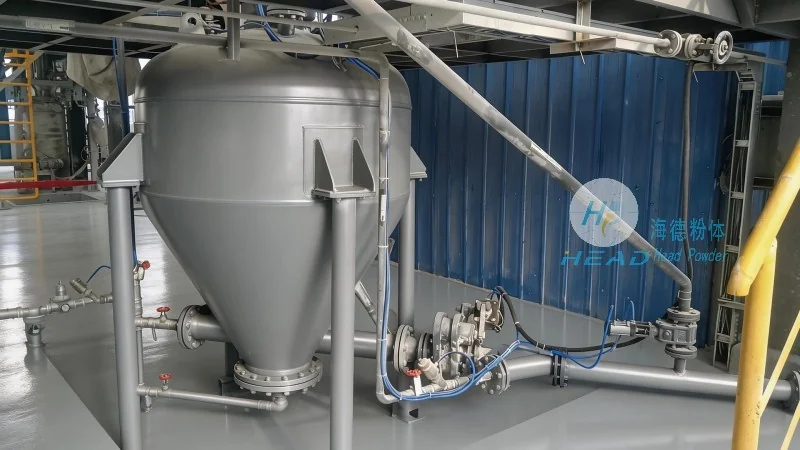
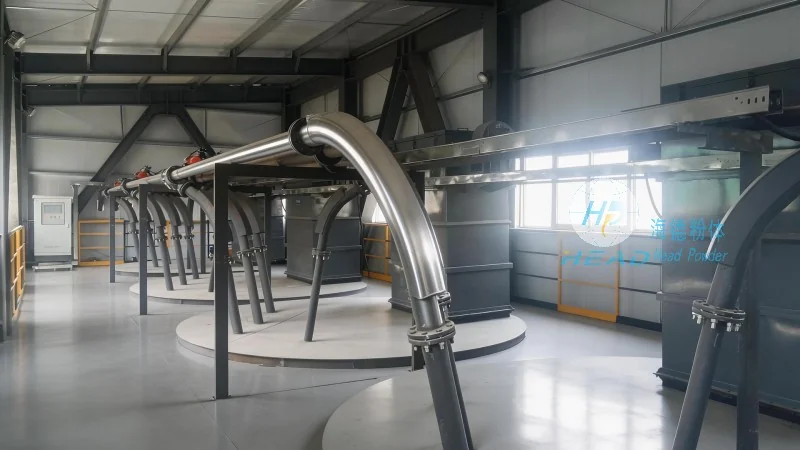
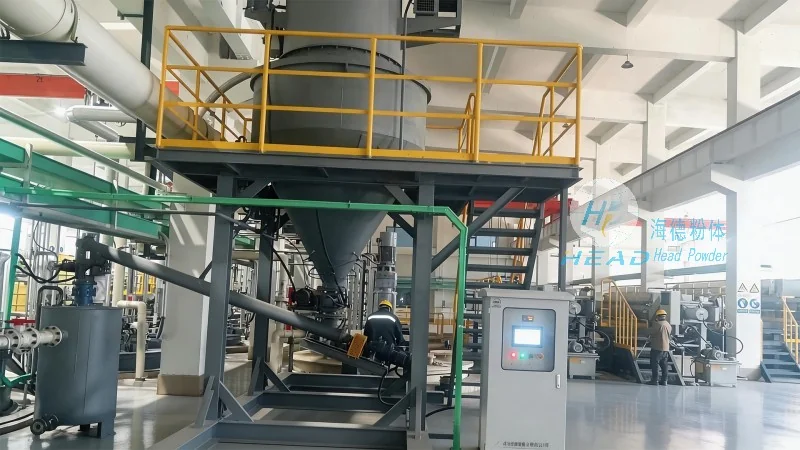
The primary principle of a denitrization fly ash powder conveying line is to transport fine particulate materials through a closed system using air or mechanical forces. The system typically consists of several key components, including a feeding device, a conveying pipeline, a control system, and a dust collection unit. The feeding device, often a rotary valve or a screw feeder, ensures a consistent and controlled flow of fly ash into the pipeline. The conveying pipeline, usually made of stainless steel or other corrosion-resistant materials, is designed to handle the abrasive and potentially acidic nature of denitrization fly ash. The control system monitors and regulates the flow rate, pressure, and other operational parameters to maintain optimal performance. The dust collection unit, such as a baghouse or electrostatic precipitator, captures any fine particles that may escape the pipeline, ensuring compliance with environmental regulations.
Working Scene Characteristics: Application and Operational Environment
The working scene characteristics of denitrization fly ash powder conveying lines are defined by the industrial environment in which they operate. These systems are commonly found in thermal power plants, where they play a critical role in the overall waste management process. The primary application is the transport of fly ash from the denitrification reactor to a storage silo or a disposal site, such as a landfill or a cement plant. The operational environment is characterized by high temperatures, corrosive gases, and the presence of fine dust, which demands robust and durable equipment. The conveying line must be able to handle the varying particle sizes and moisture content of the fly ash, as well as resist the effects of acid and other chemicals that may be present in the flue gas. Additionally, the system must be designed to minimize the risk of dust emissions, as compliance with air quality standards is a critical requirement for power plants.
Technical Advantages and Performance Metrics
Denitrization fly ash powder conveying lines offer several technical advantages that make them suitable for industrial applications. One of the key advantages is the ability to transport materials over long distances without the need for intermediate storage or transfer points. This reduces the risk of material degradation and ensures a continuous flow of fly ash. The systems are also designed to be energy-efficient, with optimized air flow and pressure control that minimize energy consumption. Performance metrics, such as the conveying capacity, pressure drop, and material handling efficiency, are carefully monitored and adjusted to ensure optimal operation. The use of corrosion-resistant materials and advanced sealing technologies further enhances the longevity and reliability of the system, reducing maintenance costs and downtime.
Customization and Integration with Existing Systems
HeadPowder recognizes that each power plant has unique operational requirements, and therefore, the denitrization fly ash powder conveying lines are designed to be highly customizable. The company works closely with clients to understand their specific needs, including the type and quantity of fly ash, the distance to be conveyed, and the existing infrastructure. The conveying line can be integrated with existing denitrification systems or new installations, ensuring a seamless transition. The customization process involves detailed engineering, including the selection of appropriate components, the design of the pipeline layout, and the implementation of control systems. HeadPowder’s team of experienced engineers uses advanced software and simulation tools to model the system and predict its performance under various operating conditions, ensuring that the final design meets all the client’s requirements.