

Principle and Working Scene Characteristics of Silage Material Pneumatic Conveying Equipment
Silage material pneumatic conveying equipment is a critical component in modern agricultural operations, designed to efficiently transport silage, a fermented forage used for livestock feed. This equipment utilizes pneumatic technology to move silage from storage silos or processing areas to feeding stations or storage containers. The core principle involves creating a flow of air that propels the silage particles through a pipeline system, ensuring minimal loss and contamination while maintaining the nutritional integrity of the feed. As agricultural practices evolve to demand more efficient and hygienic feed handling solutions, such equipment has become indispensable for farms of all scales, from small family operations to large-scale commercial feedlots.

Working Principle of Pneumatic Conveying Systems
The working principle of silage pneumatic conveying systems is based on the fundamental physics of air movement and particle suspension. There are two main types of pneumatic conveying: pressure and vacuum systems. In pressure systems, a positive pressure is generated at the discharge end, pushing the silage through the pipeline. Vacuum systems, on the other hand, create a negative pressure at the intake end, drawing the silage into the system. The equipment typically includes a silo or hopper for material storage, a conveyor pipeline, a blower or fan to generate airflow, and a control system to regulate the flow rate and pressure. The blower provides the necessary air volume and pressure to maintain the flow of silage particles, which are often mixed with air or a carrier gas to reduce friction and prevent blockages. The control system may incorporate sensors to monitor pressure, flow rate, and material level, allowing for real-time adjustments to optimize performance and prevent system overload or blockages.
Key Components and Their Functions
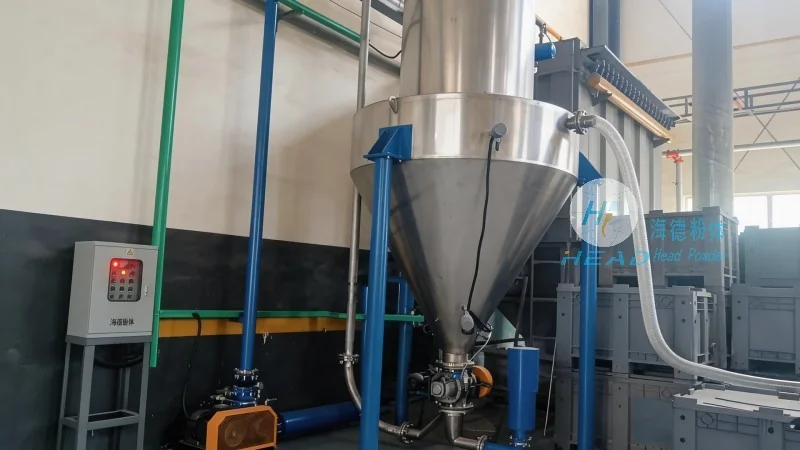
Several key components make up a silage pneumatic conveying system. The silo or hopper is where the silage is stored, and it is equipped with a discharge gate or valve to control the material flow. The conveyor pipeline is usually made of durable materials like stainless steel or high-density polyethylene to withstand the abrasive nature of silage and the effects of moisture and bacteria. The blower or fan is the heart of the system, providing the air pressure needed to move the material. It can be a positive displacement blower or a centrifugal fan, depending on the system's requirements. The control system includes valves and sensors that regulate airflow and pressure, ensuring smooth operation. Additionally, the system may include filters and cyclones to separate the silage particles from the air and return the air to the blower for reuse, enhancing energy efficiency and reducing maintenance needs.
Working Scene Characteristics and Applications
The working scene characteristics of silage pneumatic conveying equipment are tailored to various agricultural settings, from small farms to large-scale feedlots. In small-scale operations, the equipment is often used for transporting silage from a silo to a feeding area or a storage container, requiring a relatively low air volume and pressure. In large-scale operations, such as in dairy or beef feedlots, the equipment is used to move large quantities of silage from multiple silos to central feeding stations, requiring higher air volume and pressure to handle the increased material flow. The equipment is also used in feed processing plants where silage is mixed with other ingredients to create complete feed rations. The working scene characteristics include the need for minimal labor, as the system can operate continuously without constant human intervention, and the ability to handle different types of silage, including wet and dry varieties. The equipment is designed to be flexible, allowing it to be integrated into existing farm infrastructure or new construction projects, adapting to the specific layout and operational needs of each farm.
Advantages and Benefits in Practical Applications
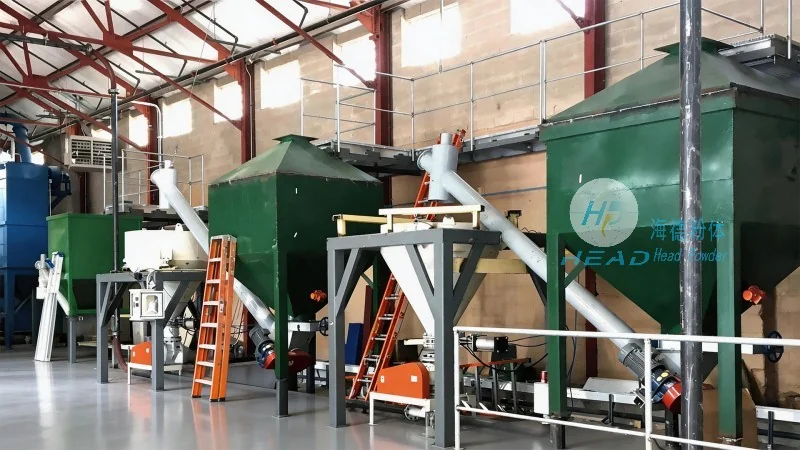
The advantages of using silage material pneumatic conveying equipment in agricultural operations are significant. One of the primary benefits is the reduction in labor costs, as the system can transport large volumes of silage with minimal human effort. This is particularly important in large-scale operations where manual handling of silage is impractical and time-consuming. Another advantage is the improvement in feed quality and nutritional value, as the equipment minimizes the exposure of silage to air and contaminants, which can degrade its quality. The system also reduces the risk of silage spoilage, as the material is moved quickly and efficiently from storage to feeding areas, preventing the growth of harmful bacteria. Additionally, the equipment is designed to be hygienic and easy to clean, which is essential for maintaining high standards of animal health and feed safety. The flexibility of the system allows it to be adapted to different farm sizes and layouts, making it a versatile solution for various agricultural needs, from routine feed distribution to emergency feed delivery during adverse weather conditions.
Integration with Farm Infrastructure and Operational Efficiency
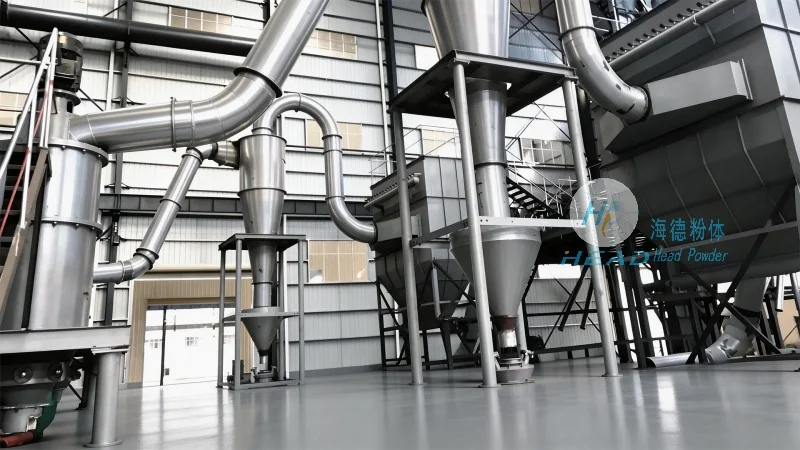
The integration of silage pneumatic conveying equipment with farm infrastructure is crucial for maximizing operational efficiency. The equipment can be installed in new construction projects or retrofitted into existing farms, depending on the farm's layout and requirements. In new construction, the equipment can be integrated into the design of the silo and feeding areas, ensuring optimal flow and minimal space requirements. In existing farms, the equipment can be installed to upgrade the current silage handling system, improving efficiency and reducing labor costs. The operational efficiency of the system is enhanced by the control system, which monitors and adjusts the airflow and pressure in real-time, ensuring that the system operates at its optimal performance level. The system also reduces the need for manual handling of silage, which can be dangerous and time-consuming, especially when dealing with large volumes of material. The equipment is designed to be reliable and durable, with components that are resistant to wear and tear from the abrasive nature of silage, ensuring long-term operation with minimal maintenance. This reliability is further supported by the use of high-quality materials and robust construction, which are essential for withstanding the harsh conditions of agricultural environments.
Conclusion and Future Outlook
In conclusion, silage material pneumatic conveying equipment is an essential tool for modern agricultural operations, providing efficient and effective transport of silage while maintaining its nutritional value and quality. The working principle and components of the system are designed to meet the specific needs of agricultural settings, from small farms to large-scale feedlots. The advantages of using this equipment include reduced labor costs, improved feed quality, and enhanced operational efficiency. As agricultural practices continue to evolve, the demand for efficient and reliable silage handling systems will increase, and the technology behind pneumatic conveying will continue to advance to meet these needs. The integration of advanced control systems and durable materials will further improve the performance and longevity of these systems, ensuring their continued importance in the agricultural industry. For farms looking to optimize their feed handling processes and improve overall operational efficiency, silage pneumatic conveying equipment represents a valuable investment that aligns with modern agricultural standards and practices.