

Principles and Working Scene Characteristics of Industrial Alkali Pneumatic Conveying Systems
Industrial alkali pneumatic conveying systems are specialized equipment designed to transport alkaline materials such as caustic soda, soda ash, and other chemical powders through a pipeline using air pressure. These systems are widely used in chemical manufacturing, pharmaceuticals, and food processing industries due to their efficiency and ability to handle abrasive or corrosive materials. The core principle involves creating a pressure differential to move the material from a source to a destination, ensuring minimal product degradation and consistent flow rates.
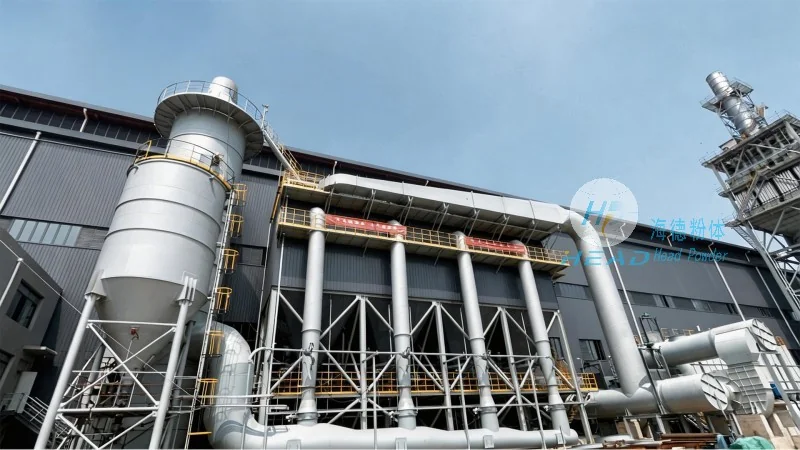
Key Components and Working Principle
The fundamental components of an industrial alkali pneumatic conveying system include a material hopper, a rotary airlock valve, a conveying line, a receiver, and a dust collector. The process begins when the material is fed into the hopper. The rotary airlock valve regulates the flow of material into the conveying line, preventing backflow. Compressed air is then introduced into the system, creating a pressure that propels the material through the pipeline. The air and material mixture is separated at the receiver, where the material is collected and the air is filtered by the dust collector before being released. This closed-loop system minimizes environmental contamination and ensures safe operation.
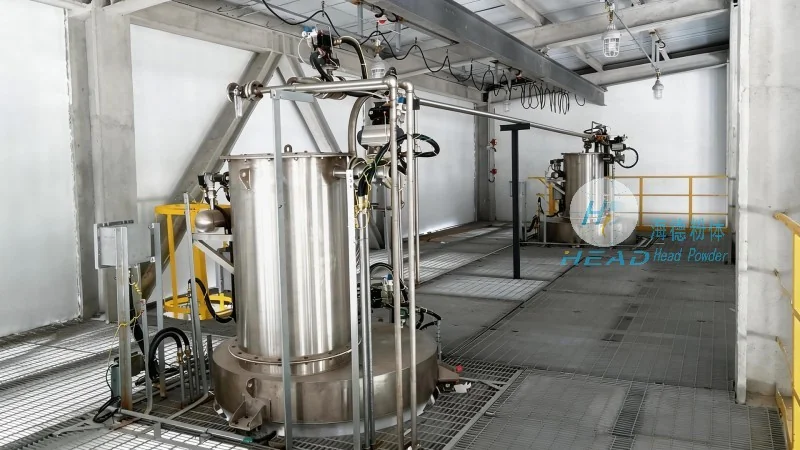
Working Scene Characteristics and Applications
Industrial alkali pneumatic conveying systems are particularly suited for applications requiring high material handling efficiency and low maintenance. They are commonly used in the production of caustic soda, where large quantities of solid alkali need to be transported between reactors, storage tanks, and packaging lines. The systems are also employed in pharmaceutical plants for the transport of alkaline excipients and in food processing facilities for handling baking soda or other food-grade alkalis. The working scene characteristics include high throughput capabilities, the ability to handle materials with varying particle sizes, and the flexibility to integrate with existing production lines. These systems are designed to operate under different pressure conditions, such as low-pressure (pneumatic) or high-pressure (positive pressure) conveying, depending on the specific material and distance requirements.
Advantages and Considerations in Industrial Settings
One of the primary advantages of industrial alkali pneumatic conveying systems is their ability to handle abrasive and corrosive materials without causing wear or damage to the equipment. The closed system design also reduces dust exposure and environmental impact, making it suitable for compliance with industrial safety and environmental regulations. However, operators must consider factors such as material moisture content, which can affect flow characteristics, and the need for regular maintenance of components like the airlock valve and filter. The system's efficiency is also dependent on proper air pressure management and the condition of the conveying line, as blockages or leaks can reduce performance and increase energy consumption.
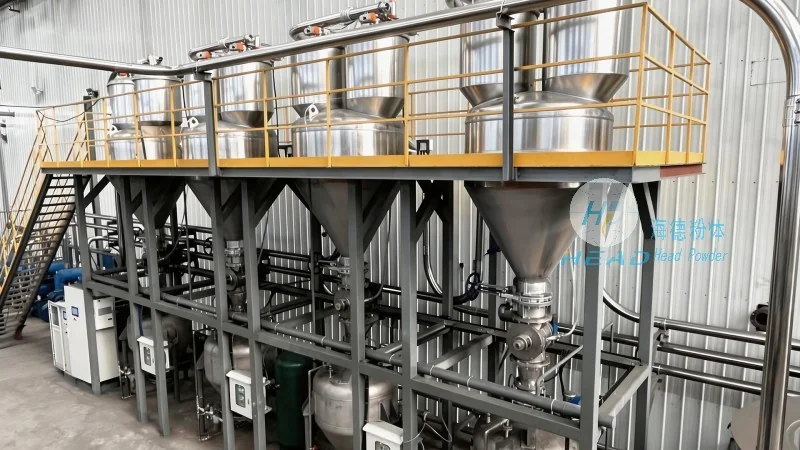
Company Overview: Shandong HeadPowder Engineering Co., Ltd.
Shandong HeadPowder Engineering Co., Ltd., operating under the brand name HeadPowder, specializes in the design, manufacturing, and installation of industrial pneumatic conveying systems. With a focus on quality and innovation, the company provides customized solutions tailored to the specific needs of clients in the chemical, pharmaceutical, and food industries. HeadPowder's systems are engineered to meet international standards and are backed by a team of experienced engineers and technicians who ensure reliable operation and long-term performance. The company's facilities in Shandong, China, are equipped with advanced manufacturing equipment and rigorous quality control processes to deliver products that meet the highest industry benchmarks.