

Comparison of Common Sulfur Transportation Methods
Sulfur is a vital industrial raw material used in various sectors, including chemical manufacturing, agriculture, and pharmaceuticals. Efficient and reliable transportation of sulfur is crucial for maintaining supply chains and ensuring product quality. This article provides a detailed comparison of common sulfur transportation methods, highlighting their characteristics, advantages, and applications. The information is presented by Shandong HeadPowder Engineering Co., Ltd., a leading provider of industrial solutions in China.
1. Pipeline Transportation
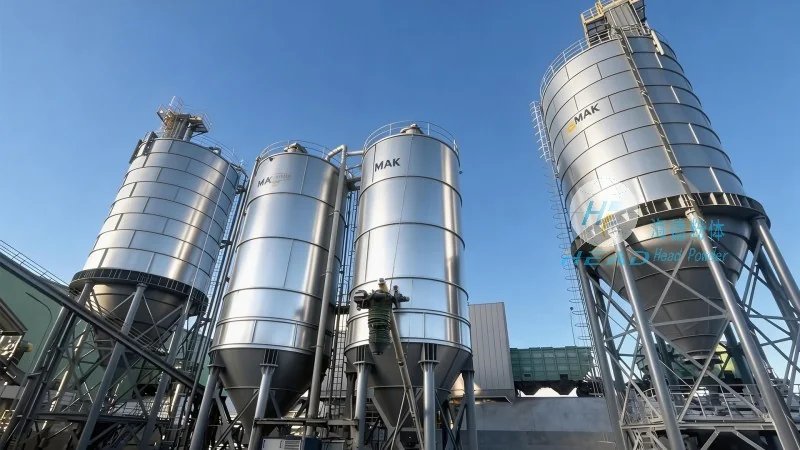
Pipeline transportation is a widely used method for moving liquid sulfur over long distances. This method involves pumping molten sulfur through underground or above-ground pipelines. The primary advantage of pipeline transport is its continuous operation, which minimizes handling and reduces the risk of spills or contamination. It is particularly suitable for large-scale industrial facilities that require a steady supply of sulfur. However, the initial investment for pipeline construction can be high, and maintenance costs may increase over time. Additionally, pipeline systems may face challenges in areas with complex terrain or limited infrastructure. Shandong HeadPowder Engineering Co., Ltd. has extensive experience in designing and implementing pipeline systems for sulfur transportation, ensuring optimal performance and safety.
2. Tank Truck Transportation
Truck transportation is a flexible and cost-effective method for transporting sulfur, especially for shorter distances or when direct delivery to a facility is required. Liquid sulfur is loaded into specialized tank trucks equipped with insulation and temperature control systems to maintain the material's viscosity and prevent solidification. This method offers high mobility and can reach remote or off-site locations. However, truck transport may be subject to traffic congestion and regulatory restrictions, which can affect delivery times. Moreover, the volume of sulfur that can be transported per trip is limited compared to other methods like ship transport. The company, HeadPowder, provides comprehensive services for truck loading, transportation, and unloading, ensuring compliance with safety standards and efficient logistics.
3. Bulk Ship Transportation
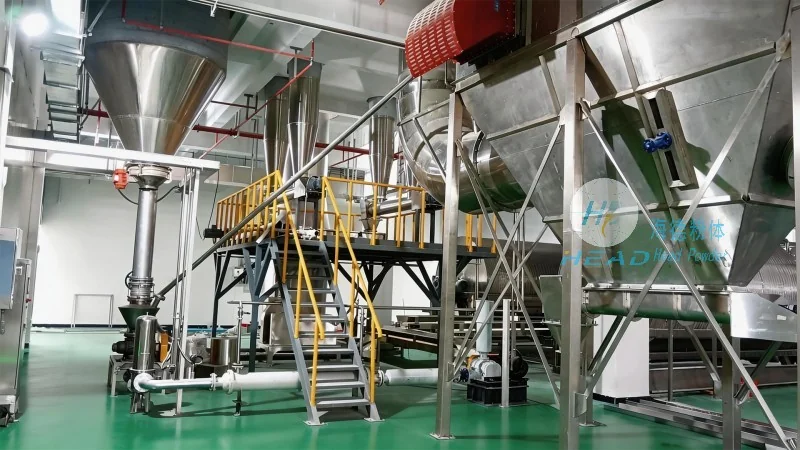
Bulk ship transportation is the most common method for moving large quantities of sulfur over long distances, such as from production sites to international markets. Sulfur is typically transported in bulk carriers or specialized tankers designed to handle corrosive and viscous materials. This method offers high capacity and low cost per unit, making it ideal for global trade. However, ship transport is subject to weather conditions and port delays, which can impact delivery schedules. Additionally, the process of loading and unloading bulk sulfur requires specialized equipment and skilled personnel to ensure safety and efficiency. Shandong HeadPowder Engineering Co., Ltd. collaborates with major shipping lines and port facilities to facilitate seamless sulfur transportation, providing clients with reliable and cost-effective solutions.
4. Containerized Transportation
Containerized transportation is used for smaller quantities of sulfur, particularly in cases where the material needs to be transported to specific locations or for specialized applications. Sulfur can be packaged in insulated containers or tanks that are loaded into standard shipping containers. This method offers flexibility and can be combined with other transportation modes, such as truck or rail. However, containerized transport is generally more expensive than bulk ship transport and may have lower capacity. It is suitable for niche markets or when the volume of sulfur is insufficient for bulk shipping. HeadPowder specializes in handling containerized sulfur, ensuring proper packaging and compliance with international shipping regulations to minimize risks during transit.
5. Comparison of Key Factors
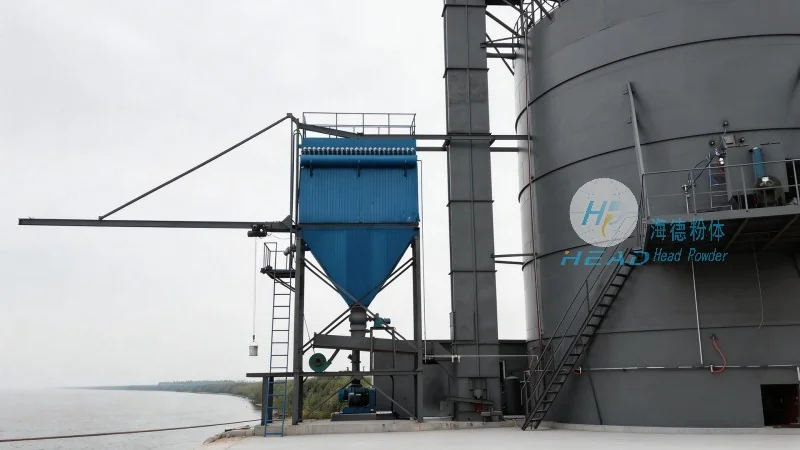
When selecting a sulfur transportation method, several factors must be considered, including cost, capacity, distance, and environmental impact. Pipeline transportation is the most economical for large-scale, long-distance transport but requires significant upfront investment. Truck transport offers flexibility and is suitable for shorter distances or local deliveries. Bulk ship transport is ideal for high volumes and international trade but may be affected by weather and port conditions. Containerized transport is best for smaller quantities or specialized needs. Shandong HeadPowder Engineering Co., Ltd. evaluates these factors for each client to recommend the most appropriate transportation method, ensuring optimal efficiency and cost-effectiveness.
Conclusion
Choosing the right sulfur transportation method is critical for industrial operations, as it directly impacts supply chain reliability and operational costs. By understanding the characteristics and applications of each method, companies can make informed decisions that align with their specific needs. Shandong HeadPowder Engineering Co., Ltd. provides expert guidance and comprehensive solutions for sulfur transportation, leveraging its experience and technical expertise to deliver reliable and efficient services. With a focus on safety, quality, and customer satisfaction, HeadPowder is committed to supporting the sulfur industry with innovative and sustainable transportation solutions.