

Comparison of Common Peanut Conveying Methods
When it comes to efficiently handling peanuts in industrial settings, selecting the right conveying method is crucial for maintaining product quality, reducing operational costs, and ensuring smooth workflow. Shandong HeadPowder Engineering Co., Ltd., a leading manufacturer based in China, specializes in providing advanced conveying solutions tailored to the needs of the peanut processing industry. This article provides a detailed comparison of common peanut conveying methods, helping businesses make informed decisions based on their specific requirements.
Understanding the Basics of Peanut Conveying
Peanut conveying involves the movement of peanuts from one location to another within a processing facility. The choice of method depends on factors such as the peanut's size, moisture content, the distance to be covered, and the desired level of automation. Each method has its own advantages and limitations, which are essential to consider when selecting the most suitable option for a particular application.
1. Screw Conveyors for Peanut Handling
Screw conveyors, also known as auger conveyors, are among the most widely used equipment for transporting peanuts. These systems consist of a rotating helical screw inside a tube, which moves the peanuts forward through the tube. The design allows for both horizontal and inclined transport, making them versatile for various layouts. One of the key benefits of screw conveyors is their ability to handle a wide range of peanut types, including raw and roasted peanuts. They are particularly effective for short to medium distances and can be integrated with other processing equipment like hoppers and classifiers. The smooth operation of screw conveyors minimizes product damage, preserving the quality of the peanuts. Shandong HeadPowder Engineering Co., Ltd. offers high-quality screw conveyor systems designed to meet the specific demands of peanut processing, ensuring reliable and efficient transport.
2. Belt Conveyors for Bulk Peanut Transport
Belt conveyors are another popular choice for peanut conveying, especially in applications requiring the transport of large quantities over longer distances. These systems utilize a continuous belt that moves peanuts from the loading point to the unloading point. The design can be customized to accommodate different peanut sizes and shapes, with options for inclines and declines. Belt conveyors are known for their high capacity and durability, making them suitable for continuous operation in industrial settings. They are often used in combination with other equipment like elevators and sorters to streamline the processing line. The efficiency of belt conveyors is enhanced by their ability to handle both dry and slightly moist peanuts without causing excessive breakage. Shandong HeadPowder Engineering Co., Ltd. provides robust belt conveyor solutions that ensure consistent and reliable peanut transport, supporting the productivity of processing facilities.
3. Pneumatic Conveying Systems for Peanut Handling
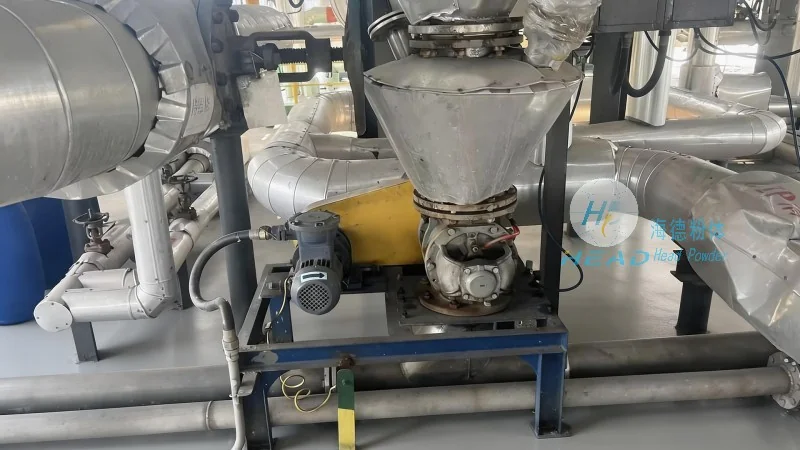
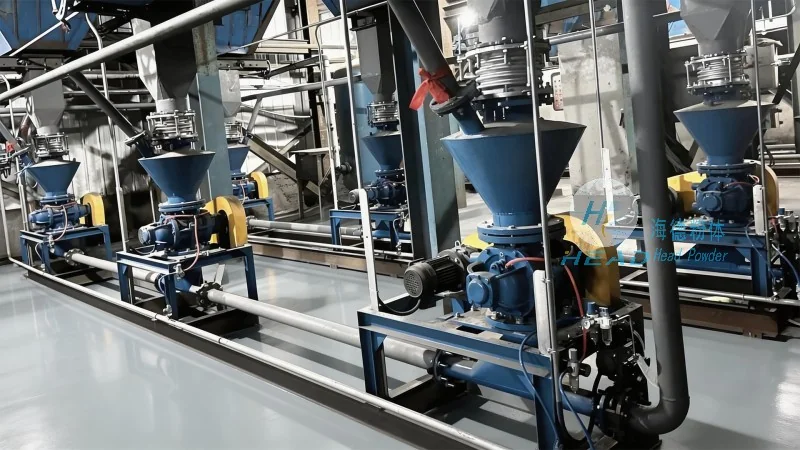
Pneumatic conveying systems use air pressure to transport peanuts through a network of pipes. This method is ideal for applications where dust control and contamination prevention are critical. The system typically consists of a hopper, a blower, and a series of pipes that guide the peanuts to the desired location. Pneumatic conveying offers flexibility in terms of layout, as the pipes can be installed in various configurations to suit the facility's design. One of the main advantages is the ability to transport peanuts in a closed system, minimizing exposure to environmental factors and reducing the risk of contamination. However, this method may require more energy compared to other options and can be less effective for very large or heavy peanuts. Shandong HeadPowder Engineering Co., Ltd. specializes in designing and manufacturing pneumatic conveying systems that ensure efficient and hygienic peanut transport, meeting the stringent requirements of modern processing facilities.
4. Bucket Elevators for Vertical Peanut Transport
For vertical transport of peanuts, bucket elevators are commonly used. These systems consist of a vertical or inclined conveyor with buckets attached to a chain or belt that moves the peanuts upward. Bucket elevators are highly efficient for lifting peanuts from lower to higher levels, such as from a storage bin to a processing line. They are particularly suitable for applications where space is limited and vertical movement is necessary. The design of bucket elevators allows for the transport of peanuts with minimal spillage and product damage, ensuring the integrity of the peanuts during the lifting process. Shandong HeadPowder Engineering Co., Ltd. offers reliable bucket elevator solutions that provide efficient vertical transport, supporting the overall workflow in peanut processing plants.

Comparing the Conveying Methods: Key Factors to Consider
When comparing the different peanut conveying methods, several factors should be evaluated to determine the best fit for a specific operation. The distance to be covered is a primary consideration, as some methods are better suited for short distances while others excel at long-distance transport. The peanut's characteristics, such as size, moisture content, and density, also play a significant role in the selection process. For instance, screw conveyors may be preferred for small, dry peanuts, while belt conveyors are more suitable for larger, bulkier peanuts. The desired level of automation and integration with other processing equipment is another critical factor. Companies like Shandong HeadPowder Engineering Co., Ltd. can provide customized solutions that address these factors, ensuring optimal performance and efficiency.
Conclusion: Choosing the Right Peanut Conveying Method
Selecting the appropriate peanut conveying method is essential for the success of peanut processing operations. Each method has its strengths and limitations, and the choice should be based on a thorough analysis of the specific requirements of the facility. Shandong HeadPowder Engineering Co., Ltd., with its expertise in conveying systems, offers a range of solutions that cater to the diverse needs of the peanut industry. By understanding the advantages and disadvantages of each method, businesses can make informed decisions that enhance productivity, reduce costs, and maintain product quality. Whether it's a screw conveyor, belt conveyor, pneumatic system, or bucket elevator, the right choice will depend on the unique characteristics of the peanut and the operational goals of the processing facility.