

Working Principle and Features of Dust-Free Measuring Material Pneumatic Conveying Equipment
HeadPowder, a leading manufacturer based in Shandong, China, specializes in the design and production of advanced dust-free measuring material pneumatic conveying equipment. This article delves into the working principle and key features of such equipment, providing a comprehensive overview for potential users and industry professionals.
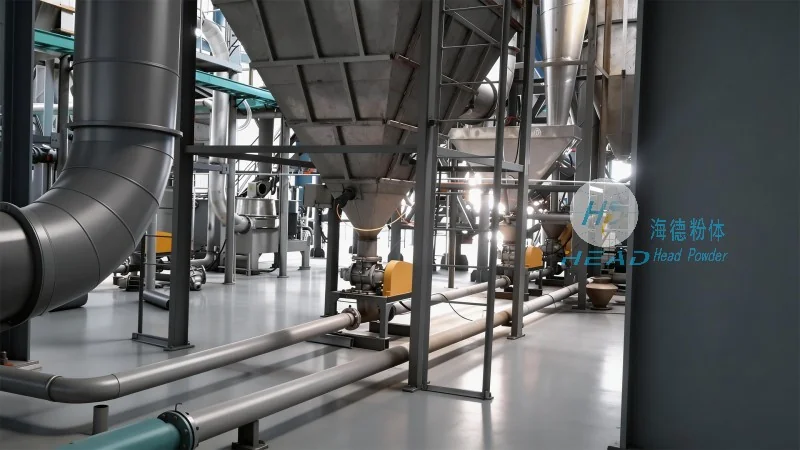
Working Principle of Dust-Free Measuring Material Pneumatic Conveying Equipment
The core working principle of this equipment involves the use of compressed air to transport bulk materials in a closed system. The process typically starts with the material being fed into a hopper or feeder, where it is then metered precisely before entering the conveying line. Compressed air, generated by a blower or compressor, creates a pressure differential that propels the material through the pipeline. The system is designed to maintain a dust-free environment, often incorporating sealed components and filtration to prevent contamination and ensure compliance with industrial hygiene standards. The metering mechanism, which may include rotary valves, gravimetric scales, or volumetric feeders, ensures accurate and consistent material flow rates, making it suitable for applications requiring precise dosing, such as pharmaceuticals, food processing, and chemical manufacturing.
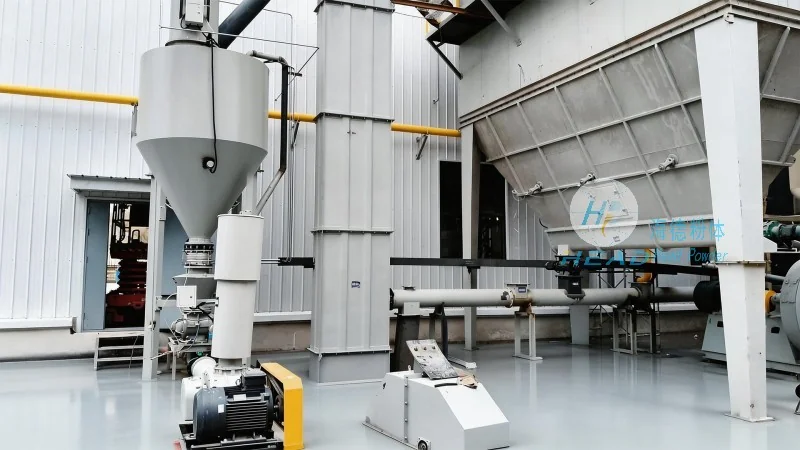
Key Features of Dust-Free Measuring Material Pneumatic Conveying Equipment
One of the primary features of this equipment is its ability to handle a wide range of materials, including powders, granules, and fine particles, while maintaining high levels of accuracy and efficiency. The dust-free design is crucial for industries where material purity is paramount, as it prevents cross-contamination and ensures product quality. Another significant feature is the integration of advanced control systems, which allow for real-time monitoring and adjustment of conveying parameters. This includes pressure monitoring, flow rate control, and alarm systems that alert operators to any deviations or issues. The equipment is also designed for easy maintenance, with accessible components and modular design that simplifies repairs and reduces downtime. Additionally, the system's energy efficiency is enhanced through optimized air usage and variable speed drives, contributing to lower operational costs. The durability of the materials used in construction, such as stainless steel and high-grade plastics, ensures long-term reliability and resistance to corrosion and wear.
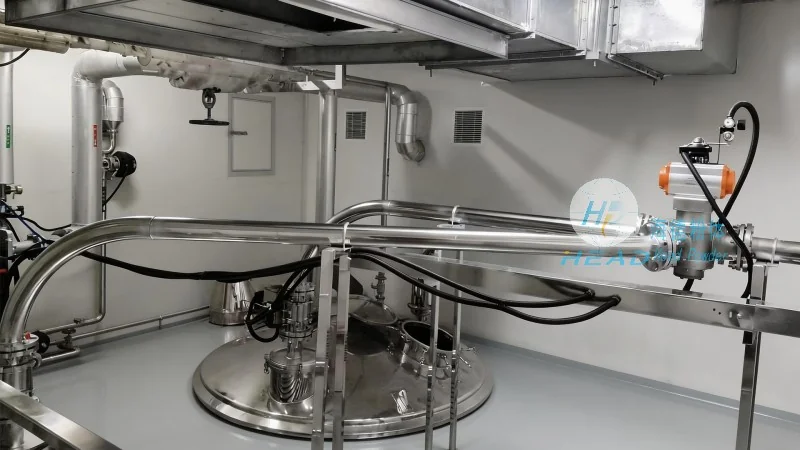
Applications and Benefits in Industrial Settings
Dust-free measuring material pneumatic conveying equipment is widely used in various industrial sectors, including pharmaceuticals, food and beverage, chemicals, and minerals processing. The primary benefits include improved product quality due to reduced contamination, enhanced safety through sealed systems, and increased operational efficiency through precise metering. The ability to handle materials in a closed environment also minimizes dust emissions, contributing to a cleaner workplace and compliance with environmental regulations. In pharmaceutical applications, for example, the equipment ensures that active ingredients are conveyed without degradation or contamination, maintaining the integrity of the final product. In food processing, the dust-free design prevents cross-contamination between different product lines, ensuring food safety standards are met. The equipment's versatility allows it to adapt to different production scales, from small-scale laboratory operations to large-scale industrial manufacturing, making it a valuable asset for companies seeking to optimize their material handling processes.