

Working Principle and Features of Polyethylene Material Pneumatic Conveying Systems
For industrial applications involving the handling of polyethylene materials, efficient and reliable material transport is crucial. Pneumatic conveying systems offer a versatile solution that addresses the unique challenges associated with polyethylene, such as its lightweight nature and potential for static charge accumulation. This article explores the working principle and key features of polyethylene material pneumatic conveying lines, highlighting how they enhance operational efficiency and safety in material handling processes.
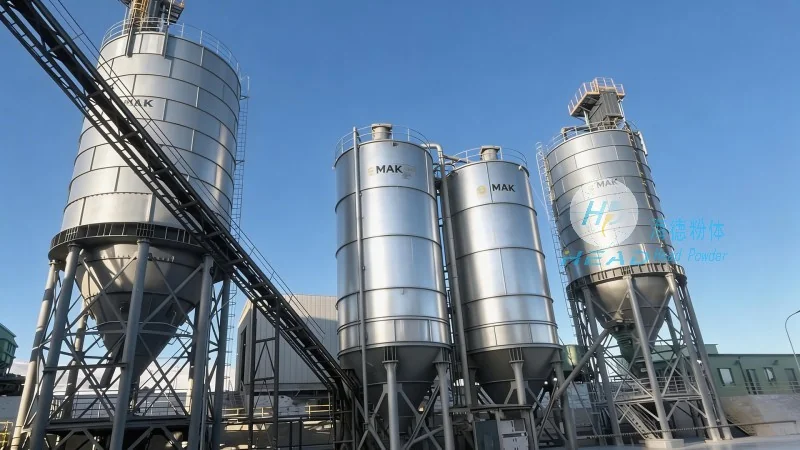
Understanding the Working Principle of Polyethylene Pneumatic Conveying Systems
Pneumatic conveying systems operate by using air or gas to transport bulk materials through a network of pipes. In the case of polyethylene, these systems are designed to handle the material's specific properties, including its low density and tendency to generate static electricity. The core components of a typical polyethylene pneumatic conveying line include a material hopper, an air compressor, a conveying line, and a receiver or discharge point. The process begins when polyethylene material is fed into the hopper. The air compressor then generates a flow of air, which is introduced into the conveying line at a controlled pressure. As the air moves through the pipe, it creates a vacuum or pressure differential that draws the polyethylene particles into the stream. The material is then carried along the pipe to the destination, where it is discharged into a collection bin or processing unit. The system's design ensures that the air flow is optimized to prevent material degradation, blockages, or excessive pressure buildup, which are common issues with polyethylene handling.
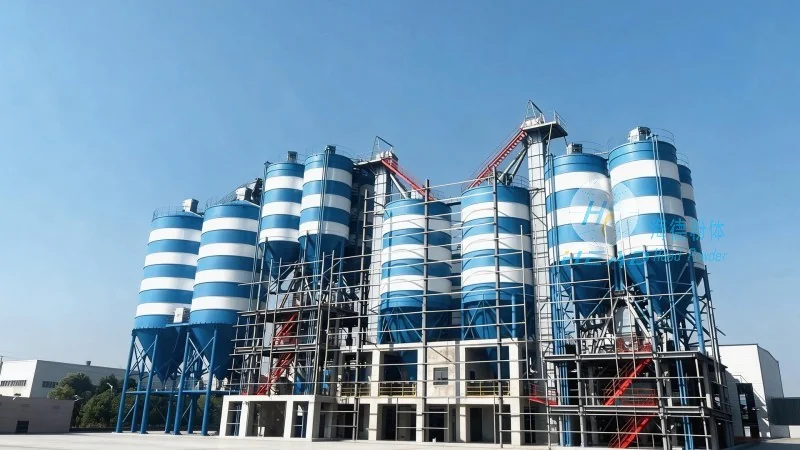
Key Features of Polyethylene Pneumatic Conveying Lines
Effective polyethylene pneumatic conveying lines are characterized by several key features that enhance performance and reliability. First, the system employs a closed-loop design to minimize dust emissions and environmental impact, which is essential for maintaining workplace safety and compliance with regulations. The use of positive pressure or negative pressure modes allows for flexible operation, adapting to different material flow requirements and distances. Another critical feature is the integration of static control measures, such as grounding and ionization systems, to prevent static buildup that could lead to sparks or explosions in flammable environments. Additionally, the conveying lines are constructed from materials resistant to polyethylene's chemical properties, such as corrosion-resistant stainless steel or specialized coatings, ensuring long-term durability and minimal maintenance. The system also includes monitoring and control mechanisms, such as pressure sensors and flow meters, to provide real-time feedback on operational status and enable proactive maintenance. These features collectively contribute to a stable and efficient material transport process, reducing downtime and operational costs.
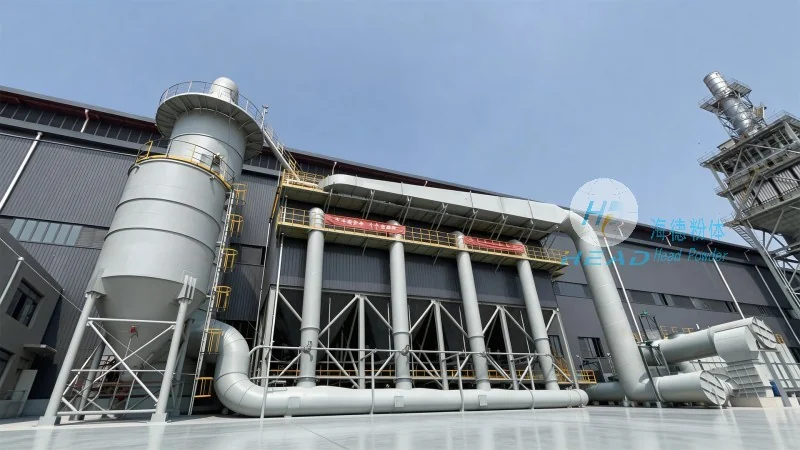
Applications and Benefits in Industrial Settings
Polyethylene pneumatic conveying systems find widespread application in various industries, including plastics manufacturing, packaging, and chemical processing. In plastics manufacturing, these systems efficiently transport raw polyethylene pellets from storage silos to extrusion lines, ensuring a continuous supply of material without manual handling. The benefits extend to improved safety, as the enclosed system prevents exposure to dust and fumes, and enhances productivity by automating the material transport process. In packaging facilities, the systems are used to move finished polyethylene products from production lines to storage or shipping areas, streamlining the logistics process. The reliability of pneumatic conveying also reduces the risk of material loss or contamination, which is critical for maintaining product quality. Furthermore, the adaptability of these systems allows them to handle different polyethylene grades and sizes, making them suitable for diverse industrial needs. The overall impact of implementing such systems is a significant reduction in labor costs, increased operational efficiency, and enhanced workplace safety, making them a preferred choice for modern industrial operations.
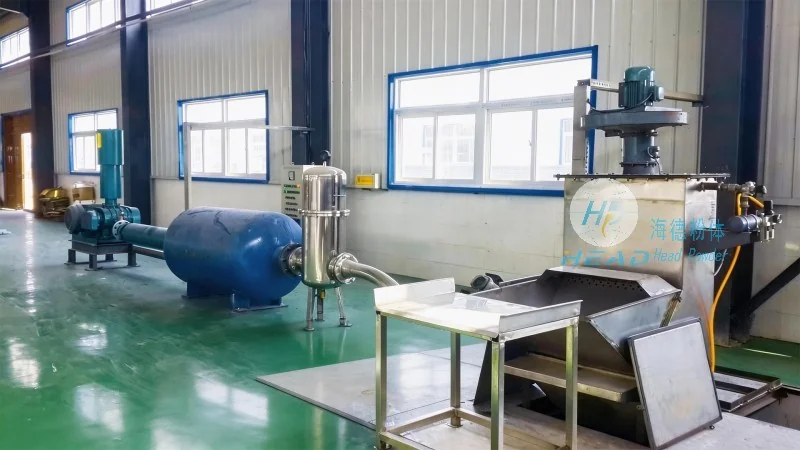
Conclusion and Company Overview
As industrial demands for efficient material handling continue to grow, polyethylene pneumatic conveying systems remain a vital component in optimizing production processes. The working principle, which leverages air flow to transport materials, combined with advanced features like static control and durable construction, ensures that these systems deliver consistent performance and reliability. Companies like Shandong HeadPowder Engineering Co., Ltd., based in China, specialize in designing and manufacturing such systems tailored to the specific needs of polyethylene handling. With a focus on innovation and quality, HeadPowder provides solutions that enhance operational efficiency, reduce downtime, and improve safety in industrial applications. By understanding the working principle and key features of polyethylene pneumatic conveying lines, industries can make informed decisions to improve their material handling processes and achieve greater productivity.