

Working Principle and Features of Broad Bean Material Pneumatic Conveying Line
For agricultural and food processing industries, the efficient handling of broad bean (fava bean) materials is crucial for maintaining product quality and operational efficiency. Pneumatic conveying systems offer a versatile and effective solution for transporting these materials from one location to another. This article explores the working principle and key features of a broad bean material pneumatic conveying line, highlighting how such systems enhance productivity and ensure safe, hygienic material transfer.
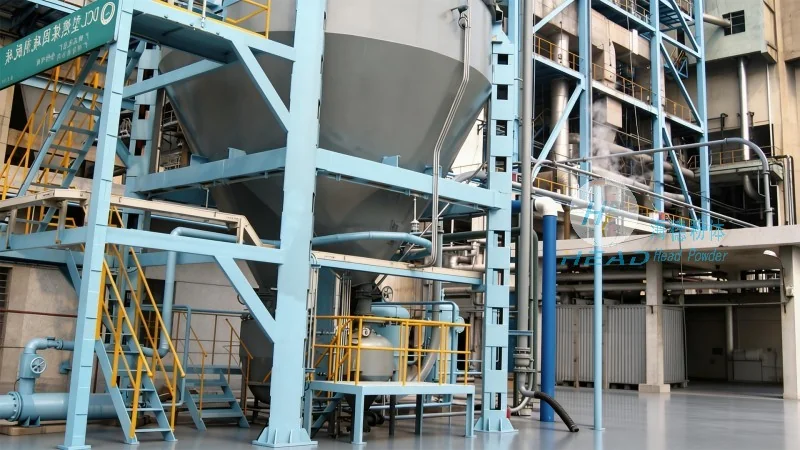
The Working Principle of Pneumatic Conveying Systems
At the core of a pneumatic conveying line is the use of air or gas to transport bulk materials like broad beans. The system typically consists of a series of components including a hopper, a conveyor pipe, a blower or air compressor, and a discharge outlet. The process begins when broad beans are fed into the hopper. The blower then generates a flow of air, which draws the beans into the conveyor pipe through a venturi or a rotary valve. As the air flows through the pipe, it carries the beans along, ensuring a continuous and controlled movement. The system can be either positive pressure (where air is pushed through the pipe) or negative pressure (where air is pulled through the pipe), depending on the application and material characteristics. For broad beans, which are relatively light and have a certain density, a positive pressure system is often preferred as it provides better control and reduces the risk of material degradation.
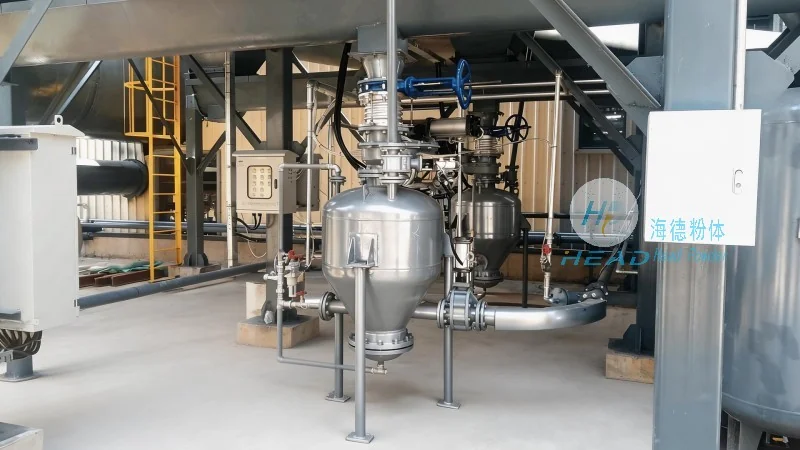
Key Features of Broad Bean Material Pneumatic Conveying Lines
Several key features make pneumatic conveying lines ideal for broad bean processing. First, they offer a fully enclosed system, which is essential for maintaining hygiene standards in food processing. This prevents contamination from external sources and ensures that the beans remain clean and free from dust or debris. Second, the system is highly flexible, allowing for changes in the layout or direction of the conveyor without major modifications. This adaptability is particularly valuable in processing facilities where space is limited or where production lines need to be reconfigured. Third, pneumatic conveying systems are energy-efficient compared to traditional methods like belt conveyors or manual handling. The use of air as the primary transport medium reduces the need for mechanical components that require regular maintenance and energy consumption. Fourth, these systems are capable of handling a wide range of material sizes and shapes, including broad beans with varying moisture content and particle sizes. This versatility ensures that the system can be used throughout the entire processing chain, from raw material reception to packaging. Additionally, the system is relatively low-maintenance, with components like the blower and conveyor pipe being designed for durability and ease of cleaning. This reduces downtime and operational costs for the processing facility.
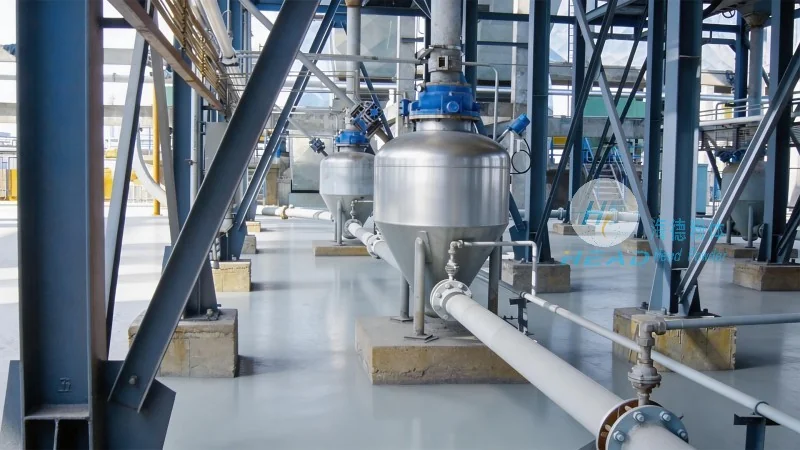
Benefits for the Agricultural and Food Industry
Implementing a pneumatic conveying line for broad bean materials brings numerous benefits to agricultural and food processing businesses. The primary advantage is improved operational efficiency. By automating the material transfer process, the system reduces labor costs and minimizes the risk of human error. This leads to a more consistent and reliable production flow, which is critical for meeting market demands and maintaining customer satisfaction. Another significant benefit is the enhancement of product quality. The enclosed system prevents exposure to contaminants, ensuring that the broad beans remain in optimal condition. This is particularly important for food products where quality and safety are paramount. Furthermore, the system contributes to a safer working environment by eliminating the need for manual handling of heavy or bulky loads. This reduces the risk of workplace injuries and improves overall workplace safety. Finally, the energy efficiency of the system helps reduce operational costs over time, making it a cost-effective investment for long-term use.
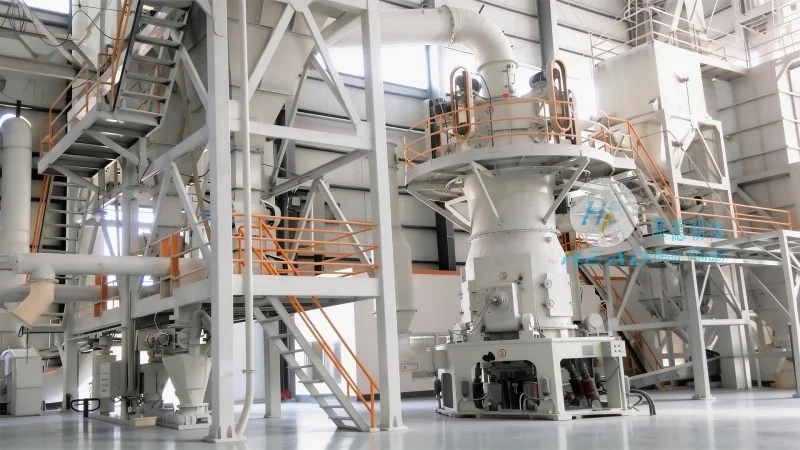
Conclusion
In conclusion, a broad bean material pneumatic conveying line is a highly effective solution for the efficient and hygienic handling of fava beans in agricultural and food processing applications. The working principle, which relies on air to transport materials, offers a flexible and enclosed system that enhances productivity while maintaining product quality. The key features, including hygiene, adaptability, energy efficiency, and versatility, make such systems a preferred choice for modern processing facilities. By investing in a pneumatic conveying line, companies like Shandong HeadPowder Engineering Co., Ltd. can improve their operational efficiency, reduce costs, and ensure the safe and consistent handling of broad bean materials. This technology is particularly valuable for businesses looking to streamline their production processes and meet the demands of a competitive market.