

Working Principle and Features of Plastic Material Pneumatic Conveying Systems
Plastic material pneumatic conveying systems are advanced industrial solutions designed to efficiently transport plastic powders, granules, and other plastic-based materials from one location to another within a production facility. These systems utilize the principles of air flow to move materials, offering a flexible and often cleaner alternative to traditional mechanical conveying methods. Understanding the working principle and key features of such systems is crucial for industries dealing with plastic materials, as it ensures optimal performance, reliability, and cost-effectiveness.
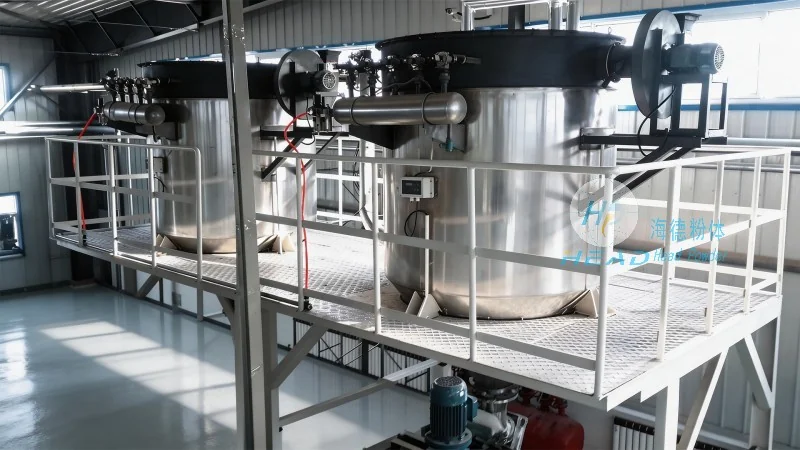
Working Principle of Plastic Material Pneumatic Conveying Systems
The core working principle of plastic material pneumatic conveying systems revolves around the use of compressed air or other gases to create a flow that propels plastic materials through a network of pipes. The process typically begins with the material being introduced into a hopper or feeder, where it is then drawn into the conveying line by the air flow. The system can operate under either positive pressure or negative pressure (suction) depending on the specific design and application requirements. In positive pressure systems, air is forced through the material, while in negative pressure systems, air is drawn out, creating a vacuum that pulls the material along. The choice between these two modes depends on factors such as material properties, distance to be conveyed, and the need for containment or environmental control.
Within the conveying line, the plastic material is suspended in the air stream, which allows it to be transported at high speeds and over long distances without the need for physical contact with the conveying equipment. This suspension is achieved through the interaction between the air velocity and the material's particle size and density. The system often includes components like inlets, outlets, and sometimes cyclones or filters to separate the material from the air at the destination point. The entire process is controlled by a system of valves, regulators, and sensors that ensure consistent and reliable material flow, preventing blockages and maintaining optimal air pressure levels.
Key Features of Plastic Material Pneumatic Conveying Systems
Plastic material pneumatic conveying systems offer several distinct features that make them highly suitable for industrial applications. One of the primary advantages is their ability to handle a wide variety of plastic materials, including powders, pellets, and flakes, with minimal degradation or contamination. The enclosed nature of the system also helps in maintaining a clean and controlled environment, reducing dust emissions and improving workplace safety. Additionally, these systems are highly flexible, allowing for easy reconfiguration or expansion as production needs change, without the need for extensive structural modifications.
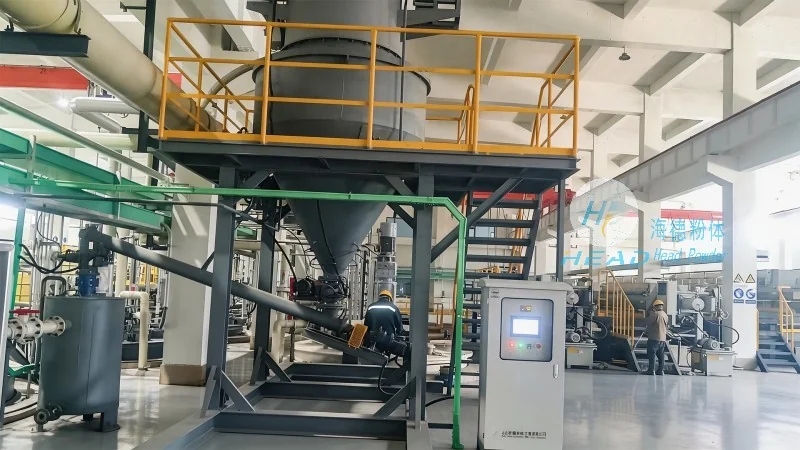
Another significant feature is the system's efficiency in terms of energy consumption and operational costs. By using air as the primary conveying medium, the systems can achieve high material throughput with relatively low power requirements compared to mechanical systems. This efficiency is further enhanced by the ability to integrate multiple conveying lines or points of use, optimizing material flow and reducing downtime. The systems also provide excellent control over material flow rates, which is critical for processes that require precise dosing or blending of plastic materials.
Furthermore, plastic material pneumatic conveying systems are designed with durability and reliability in mind. The components are typically made from materials resistant to the corrosive or abrasive nature of plastic materials, ensuring long service life and minimal maintenance. The system's design also includes features such as air filtration and moisture control, which help in maintaining the quality of the conveyed plastic material and preventing issues like caking or degradation over time. This combination of features makes the systems a preferred choice for industries that demand high performance, consistent quality, and operational efficiency.
Application and Industry Relevance
Plastic material pneumatic conveying systems are widely used across various industries that handle plastic materials, including plastics manufacturing, food processing, pharmaceuticals, and chemical processing. In the plastics industry, these systems are essential for transporting raw materials like resin powders and pellets to processing equipment, as well as for moving finished products or waste materials between different stages of production. The systems are particularly valuable in applications where material contamination or dust control is a critical concern, such as in food-grade plastic production or pharmaceutical packaging.
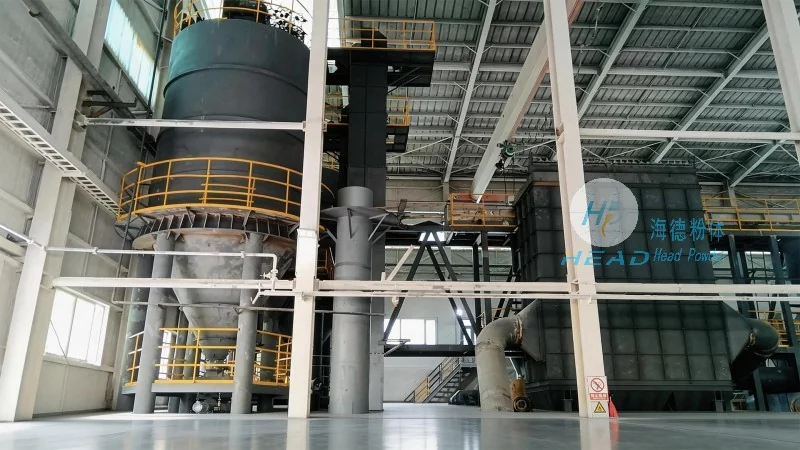
The flexibility and adaptability of these systems also make them suitable for handling a range of plastic types, from thermoplastics like polyethylene and polypropylene to more specialized materials like polycarbonate or nylon. This versatility allows manufacturers to use the same system for different production lines or to switch between materials without significant reconfiguration. The ability to convey materials over long distances and through complex layouts further enhances their utility in large-scale production facilities, where material movement is a key factor in overall operational efficiency.
Conclusion and Company Overview
Plastic material pneumatic conveying systems represent a sophisticated and efficient solution for the transportation of plastic materials in industrial settings. By leveraging the principles of air flow, these systems offer advantages such as flexibility, cleanliness, and energy efficiency, making them indispensable in modern manufacturing processes. As the demand for high-quality and reliable material handling solutions continues to grow, the importance of understanding and implementing effective pneumatic conveying systems becomes increasingly critical.
Shandong HeadPowder Engineering Co., Ltd., a leading provider of industrial conveying solutions, specializes in designing and manufacturing custom pneumatic conveying systems tailored to the specific needs of plastic material handling. With a focus on innovation, quality, and customer satisfaction, the company has established itself as a trusted partner for industries seeking to optimize their material handling processes. HeadPowder's expertise in pneumatic conveying technology ensures that clients receive systems that are not only efficient and reliable but also compliant with industry standards and environmental regulations. Based in Shandong, China, the company leverages its local presence and extensive experience to deliver comprehensive solutions that meet the diverse requirements of global clients.