

Working Principle and Features of Iron Powder Material Pneumatic Conveying Lines
Iron powder material pneumatic conveying lines are advanced industrial systems designed to transport iron powder and similar fine powders efficiently and reliably. These systems utilize air as the conveying medium, enabling the movement of materials through pipelines without the need for mechanical components like belts or buckets. The core of such systems lies in their ability to handle delicate materials while ensuring minimal product degradation and loss.
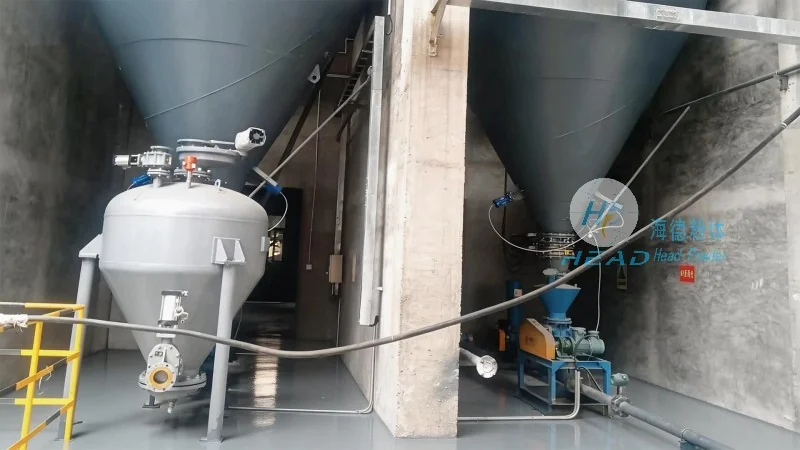
About Shandong HeadPowder Engineering Co., Ltd.
Shandong HeadPowder Engineering Co., Ltd., commonly known as HeadPowder, is a leading manufacturer and supplier of pneumatic conveying equipment. HeadPowder is headquartered in Shandong, China, and has established itself as a trusted partner for industries requiring specialized material handling solutions. The company’s expertise lies in designing and manufacturing systems tailored to the unique demands of iron powder and other fine powder applications.
Working Principle of Iron Powder Pneumatic Conveying Lines
The operation of an iron powder pneumatic conveying line is based on the fundamental principle of air movement to transport particulate materials. There are two primary modes of operation: positive pressure and negative pressure systems. In positive pressure systems, a blower or fan generates compressed air that is introduced into the material feed point, creating a pressure differential that propels the iron powder through the pipeline. The air and powder mixture then travels to the discharge point, where the air is separated from the material, typically via a cyclone separator or filter. Negative pressure systems, on the other hand, use a vacuum pump to create a suction effect, drawing the iron powder into the pipeline and transporting it to the destination. Both systems are engineered to maintain consistent flow rates and particle velocity, ensuring stable and efficient material transfer.
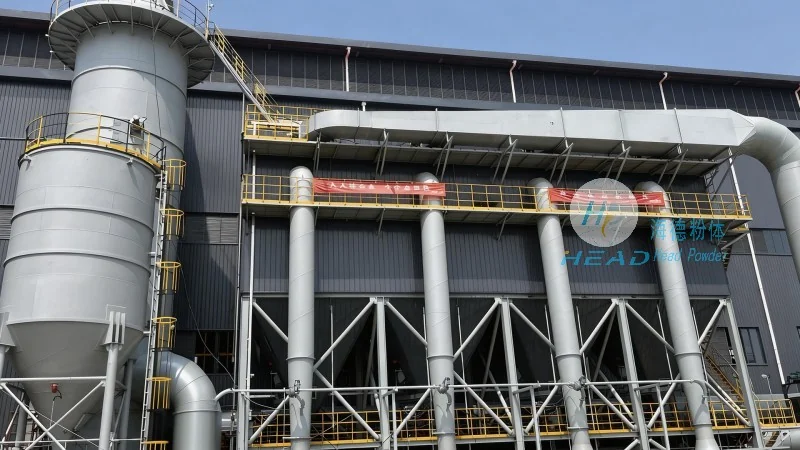
Key Features and Advantages of Iron Powder Pneumatic Conveying Systems
Iron powder pneumatic conveying systems offer several distinct advantages that make them ideal for handling iron powder and other similar materials. One of the most significant benefits is the ability to transport materials over long distances with minimal energy consumption compared to traditional mechanical conveying methods. The systems are also highly flexible, allowing for easy integration into existing production lines and adaptation to varying material flow rates. Additionally, pneumatic conveying reduces product contamination and degradation, as the material is not in direct contact with mechanical components that could cause abrasion or mixing with foreign substances. The enclosed pipeline design also enhances safety by preventing dust emissions and protecting operators from exposure to fine powders. Furthermore, these systems are relatively low maintenance, with components like blowers and filters designed for durability and ease of replacement. The compact design of pneumatic conveying lines saves valuable floor space in industrial facilities, making them suitable for both new installations and retrofit applications.
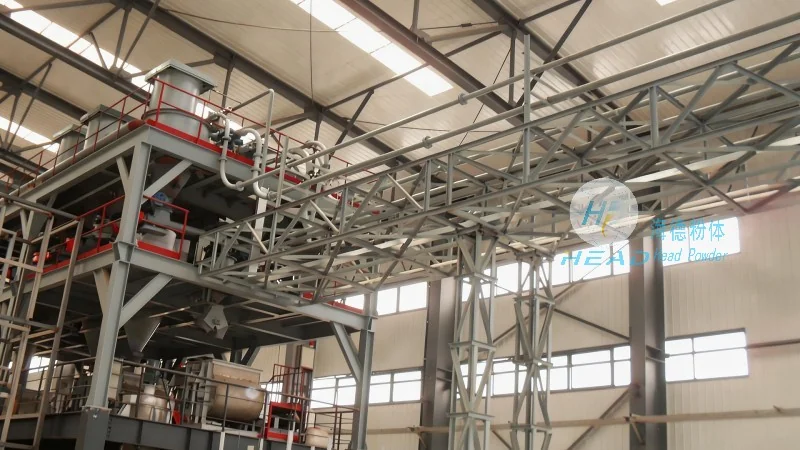
Applications and Industries Served
Iron powder pneumatic conveying lines are widely used across various industries that rely on the efficient handling of fine powders. These include the chemical industry, where iron powder is used in the production of pigments, catalysts, and other chemical products. The food and pharmaceutical industries also benefit from these systems, as they provide a hygienic and contamination-free method of transporting iron powder used in food supplements and pharmaceutical formulations. Additionally, the metal processing and manufacturing sectors utilize pneumatic conveying for the transport of iron powder in the production of magnetic materials, coatings, and other metal-based products. The versatility of these systems makes them adaptable to a wide range of applications, from small-scale laboratory use to large-scale industrial production.
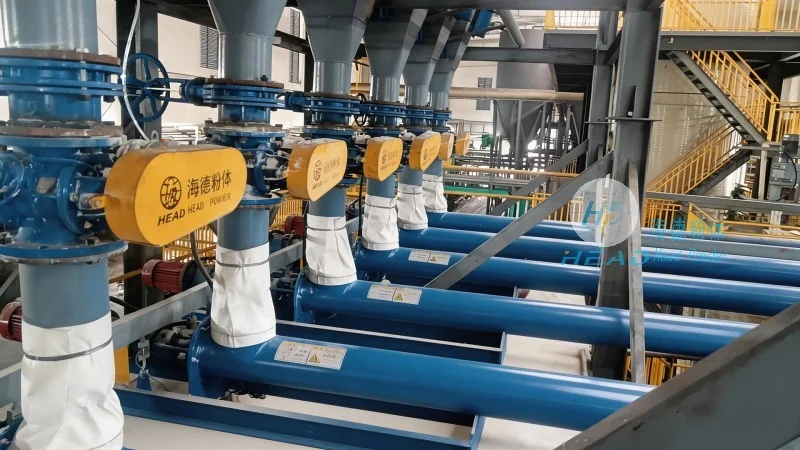
Customization and System Design
HeadPowder specializes in designing customized iron powder pneumatic conveying systems to meet the specific requirements of each client. The company’s engineers work closely with customers to assess their material characteristics, flow rates, and operational constraints to develop optimal system configurations. Customization options include the selection of appropriate pipeline materials (such as stainless steel or plastic) to prevent corrosion and material interaction, the choice of blower or vacuum pump based on the system’s pressure and flow needs, and the integration of additional components like cyclone separators, filters, and material feeders. The goal is to create a system that maximizes efficiency, minimizes downtime, and ensures the highest quality of the conveyed iron powder. HeadPowder’s commitment to quality and customer satisfaction is reflected in their rigorous testing and quality control processes, ensuring that each system meets or exceeds industry standards.
Conclusion
In summary, iron powder material pneumatic conveying lines are sophisticated systems that leverage air as a conveying medium to transport iron powder efficiently and safely. With their ability to handle delicate materials, reduce product loss, and provide flexible, low-maintenance operation, these systems offer significant advantages over traditional mechanical conveying methods. HeadPowder, with its expertise and commitment to quality, provides reliable and customized solutions for industries requiring effective iron powder handling. By understanding the working principles and features of these systems, businesses can make informed decisions to enhance their material handling processes and improve overall operational efficiency.