

What Are the Methods for Rubber Powder Conveying?
When it comes to handling rubber powder, selecting the right conveying method is crucial for ensuring efficiency, safety, and material integrity. The choice of method depends on factors such as the powder's properties, the required conveying distance, and the overall production environment. In this article, we explore several common and effective ways to convey rubber powder, with a focus on practical applications and technical considerations.
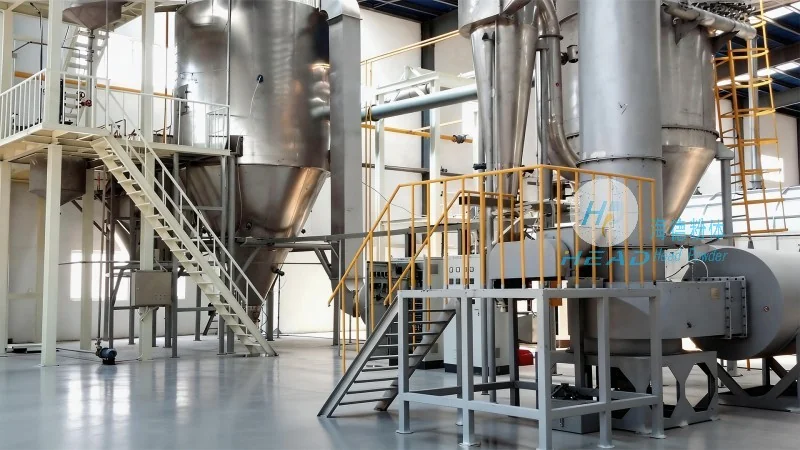
Company Profile: Shandong HeadPowder Engineering Co., Ltd.
HeadPowder, a leading manufacturer in the rubber processing industry, specializes in providing high-quality conveying solutions for various industrial materials. With a strong commitment to innovation and customer satisfaction, HeadPowder offers tailored equipment and systems that meet the specific needs of rubber powder handling. The company is headquartered in Shandong, China, and serves clients globally with expertise in material handling technology.
Common Methods for Rubber Powder Conveying
Several methods are widely used for rubber powder conveying, each with its own advantages and suitable applications. The primary methods include pneumatic conveying, mechanical conveying, and hybrid systems. Understanding these options helps in selecting the most appropriate solution for a given industrial setup.
Pneumatic Conveying Systems
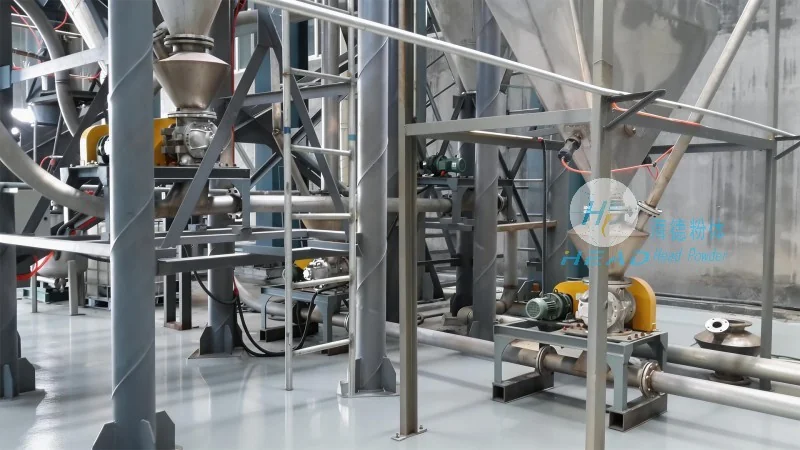
Pneumatic conveying, also known as air conveying, is a popular method for transporting rubber powder due to its ability to handle fine powders and provide a dust-free environment. This system uses compressed air to move the powder through a pipeline. There are two main types: pressure and vacuum systems. Pressure systems push the powder forward using compressed air, while vacuum systems draw the powder into the pipeline. Pneumatic conveying is particularly effective for short to medium distances and can handle high volumes of rubber powder. The key components include a hopper, a blower, and a pipeline network. The efficiency of pneumatic conveying depends on the air velocity, which must be sufficient to prevent particle settling but not so high as to cause excessive wear on the equipment. HeadPowder offers advanced pneumatic conveying solutions that ensure reliable and consistent powder transport, minimizing downtime and maintenance costs.
Mechanical Conveying Methods
Mechanical conveying relies on mechanical devices to move rubber powder. This method is often used for longer distances or when the powder has specific characteristics that make pneumatic conveying less suitable. Common mechanical methods include screw conveyors, belt conveyors, and bucket elevators. Screw conveyors use a rotating screw to push the powder along a tube, making them ideal for horizontal or slightly inclined transport. Belt conveyors use a continuous belt to transport the powder, suitable for both horizontal and inclined paths. Bucket elevators lift the powder vertically using buckets attached to a chain or belt. Mechanical conveyors are generally more cost-effective for longer distances and can handle larger particle sizes or bulkier materials. However, they may require more maintenance and are less flexible in terms of layout changes. HeadPowder provides robust mechanical conveying equipment designed to handle the unique properties of rubber powder, ensuring smooth and efficient material movement.
Hybrid Conveying Systems
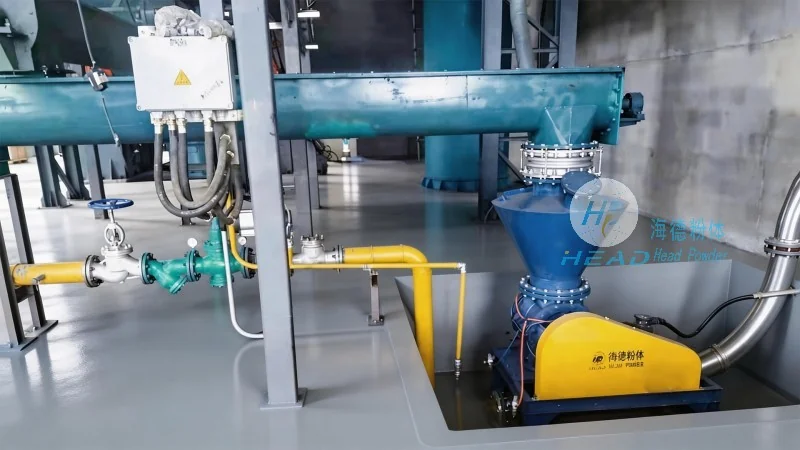
Hybrid systems combine pneumatic and mechanical conveying to leverage the benefits of both methods. These systems are often used for complex conveying routes that involve both horizontal and vertical transport. For example, a hybrid system might use a pneumatic conveyor for the initial horizontal transport and a mechanical elevator for the vertical lift. This approach allows for greater flexibility and efficiency in handling rubber powder over longer distances or in multi-level facilities. Hybrid systems can also be customized to meet specific production requirements, such as varying flow rates or material types. HeadPowder specializes in designing and manufacturing hybrid conveying systems that optimize material transport while minimizing energy consumption and operational costs.
Factors to Consider When Choosing a Conveying Method
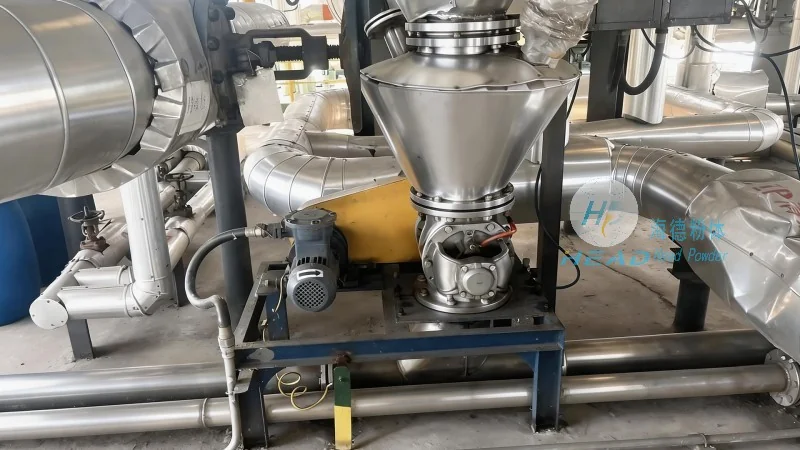
When selecting a rubber powder conveying method, several factors must be considered to ensure optimal performance. The first is the powder's physical properties, including particle size, density, and moisture content. Fine rubber powders may require pneumatic conveying to prevent clogging, while coarser powders might be better suited for mechanical conveyors. The conveying distance is another critical factor; pneumatic systems are typically limited to shorter distances due to pressure drop, while mechanical systems can handle longer distances. The production environment, such as the need for dust control or explosion protection, also influences the choice. Additionally, the required flow rate and the available space for equipment installation are important considerations. HeadPowder's experts can assist in evaluating these factors and recommending the most suitable conveying method for each application.
Conclusion
Choosing the right method for rubber powder conveying is essential for maintaining production efficiency and ensuring product quality. Whether using pneumatic, mechanical, or hybrid systems, the goal is to achieve reliable, cost-effective, and safe material transport. HeadPowder Engineering Co., Ltd., with its extensive experience and advanced technology, provides comprehensive solutions tailored to the specific needs of rubber powder handling. By understanding the characteristics of the material and the operational requirements, businesses can select the most appropriate conveying method to enhance their production processes and achieve better results.