

Graphite Powder Conveying Methods: Options Available
When it comes to handling and transporting graphite powder, selecting the right conveying method is crucial for efficiency, material integrity, and operational safety. As a leading provider in the field, Shandong HeadPowder Engineering Co., Ltd. specializes in delivering tailored solutions for various graphite powder conveying applications. This article explores the primary methods used for graphite powder transport, highlighting their advantages, applications, and considerations for optimal performance.
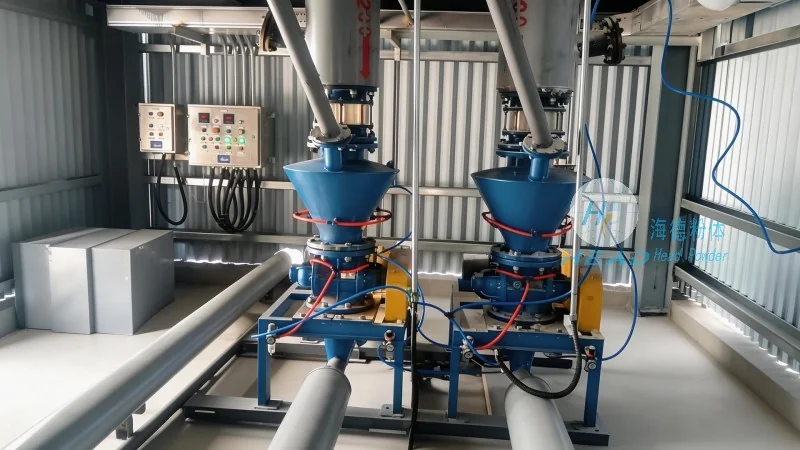
1. Mechanical Conveying Systems
Mechanical conveying systems are widely used for graphite powder due to their reliability and ability to handle a wide range of particle sizes and flow rates. These systems typically include components such as screw conveyors, belt conveyors, and bucket elevators. Screw conveyors, for instance, use a rotating helical screw to move material along a trough, making them ideal for horizontal or slight incline transport. They are particularly effective for handling dry graphite powders and can be integrated with other processing equipment, such as mixers or classifiers. Belt conveyors, on the other hand, utilize a continuous belt to transport material over long distances, often in open or enclosed systems. This method is suitable for bulk material handling and can be adapted for both indoor and outdoor applications. Bucket elevators are another mechanical option, designed to lift material vertically or at steep angles. They are efficient for vertical transport and can handle high volumes of graphite powder, though they require regular maintenance to ensure smooth operation.
2. Pneumatic Conveying Systems
Pneumatic conveying systems utilize air or other gases to transport graphite powder through a pipeline. This method is particularly advantageous for applications requiring dust-free or enclosed transport, as it minimizes exposure to airborne particles and reduces the risk of contamination. There are two main types of pneumatic conveying: pressure and vacuum systems. Pressure systems use compressed air to push material through the pipeline, while vacuum systems use a vacuum to draw material from the source. For graphite powder, pressure systems are often preferred due to their ability to handle higher flow rates and longer distances. The choice between positive and negative pressure depends on factors like the material's density, the distance to be covered, and the need for dust control. Pneumatic conveyors are commonly used in industries such as battery manufacturing, where graphite powder is used as an anode material. They offer flexibility in system design and can be easily integrated with other processing steps, such as drying or mixing.
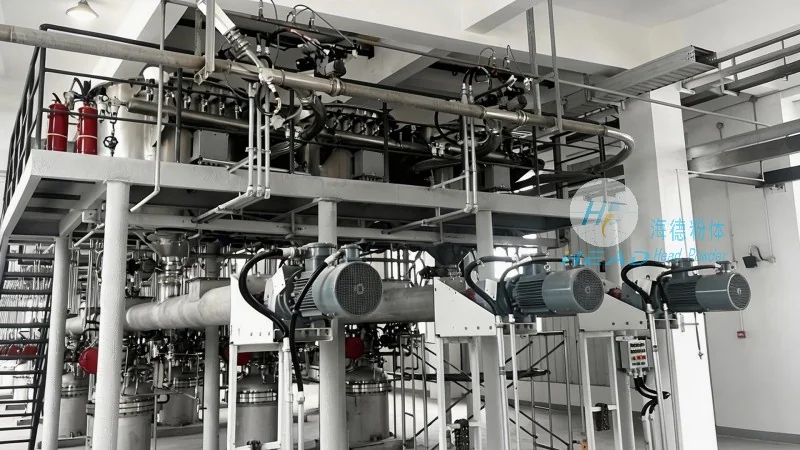
3. Air-Liquid Conveying Systems
Air-liquid conveying systems combine the use of air and a liquid carrier to transport graphite powder. This method is particularly effective for handling fine or cohesive powders that are difficult to convey using traditional mechanical or pneumatic systems. The liquid acts as a carrier, suspending the powder particles and allowing them to be transported through the pipeline. Once the material reaches its destination, the liquid is separated from the powder, often through a settling tank or filtration system. This method is commonly used in applications where the graphite powder needs to be mixed with other liquids or where the material is prone to caking. Air-liquid systems are particularly useful for transporting graphite powder in the battery and electronics industries, where precision and consistency are critical. They provide a controlled environment for material transport, reducing the risk of agglomeration and ensuring uniform particle distribution.
4. Hydraulic Conveying Systems
Hydraulic conveying systems use water or other liquids to transport graphite powder through a pipeline. This method is typically used for wet graphite powders or when the material needs to be mixed with a liquid during transport. Hydraulic systems are effective for handling high volumes of material and can be used over long distances. They are commonly employed in mining and processing operations where graphite is extracted from ore and needs to be transported to processing facilities. The main advantage of hydraulic conveying is its ability to handle abrasive materials without causing excessive wear on the system components. However, these systems require regular maintenance to prevent clogging and ensure efficient operation. Hydraulic conveyors are often used in conjunction with other processing equipment, such as crushers or grinders, to integrate the transport and processing steps.
5. Combination Conveying Systems
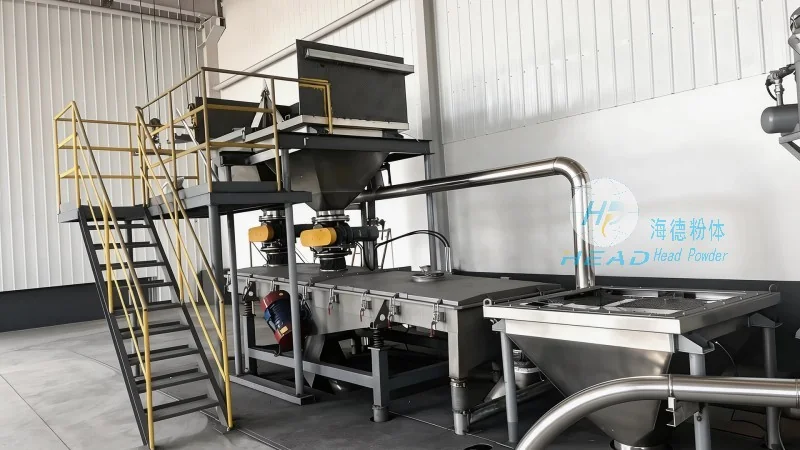
In many industrial applications, a single conveying method may not be sufficient to meet all the requirements of graphite powder transport. Combination systems, which integrate multiple conveying technologies, are often used to achieve optimal performance. For example, a system might combine a mechanical screw conveyor for initial transport with a pneumatic conveyor for final delivery to a processing unit. This approach allows for flexibility in handling different material characteristics and flow rates. Combination systems are particularly useful in complex processing lines, such as those found in battery manufacturing, where graphite powder is used in multiple stages of production. By integrating different conveying methods, these systems can improve overall efficiency, reduce downtime, and enhance material quality. Shandong HeadPowder Engineering Co., Ltd. specializes in designing and manufacturing combination conveying systems tailored to the specific needs of each client, ensuring that the chosen method aligns with the operational goals and material characteristics.
6. Factors to Consider When Selecting a Conveying Method
Choosing the right graphite powder conveying method involves evaluating several key factors to ensure optimal performance and cost-effectiveness. The first consideration is the material's physical properties, such as particle size, density, and moisture content. Fine or cohesive powders may require pneumatic or air-liquid systems to prevent agglomeration, while larger particles may be better suited for mechanical conveyors. The distance and layout of the transport route are also critical factors. For short distances, mechanical systems may be sufficient, while longer distances often require pneumatic or hydraulic systems. The need for dust control and environmental compliance is another important consideration, as some methods may generate more dust than others. Additionally, the system's maintenance requirements and operational costs should be evaluated to ensure long-term viability. By carefully assessing these factors, industries can select the most appropriate conveying method for their graphite powder applications, maximizing efficiency and minimizing operational risks.
7. Conclusion
Graphite powder conveying is a critical aspect of many industrial processes, and selecting the right method is essential for achieving optimal performance. Shandong HeadPowder Engineering Co., Ltd. offers a range of conveying solutions tailored to the specific needs of each client, including mechanical, pneumatic, air-liquid, and hydraulic systems. By understanding the advantages and limitations of each method, industries can make informed decisions that enhance operational efficiency, material integrity, and safety. Whether handling dry or wet graphite powders, short or long distances, or bulk or fine materials, the right conveying system can significantly improve overall productivity and reduce costs. With years of experience in the field, HeadPowder provides expert guidance and customized solutions to meet the diverse needs of the graphite powder industry.