

Working Principle and Features of Small Material Conveying System Equipment
For industrial operations that require efficient handling of small bulk materials, the small material conveying system equipment plays a crucial role in ensuring smooth and reliable material transport. This equipment is designed to address the specific challenges associated with moving fine powders, granules, or small particles from one location to another within a production facility. Understanding its working principle and key features is essential for selecting the right system for various industrial applications.
Working Principle of Small Material Conveying System Equipment
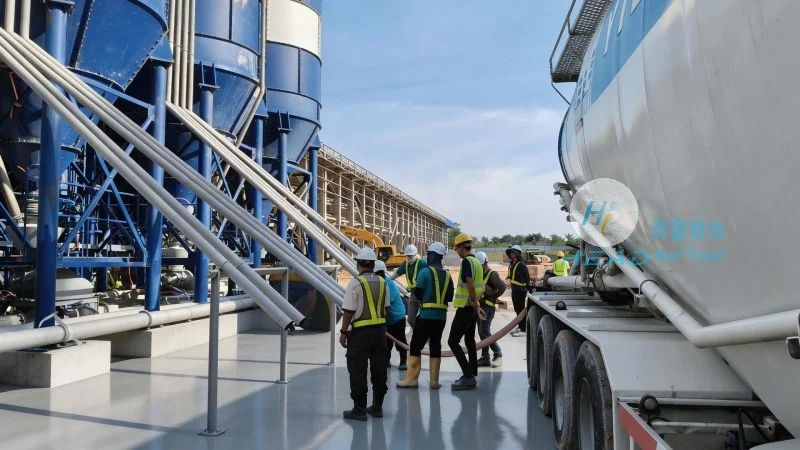
The core working principle of small material conveying systems revolves around the use of specialized mechanisms to transport materials in a controlled manner. These systems typically employ one or more of the following fundamental components: feeders, conveyors, and control units. The process begins with the material being fed into the system, often through a hopper or a feeding device that regulates the flow rate. Once the material is in the system, it is transported along a defined path using mechanisms such as screw conveyors, pneumatic conveying lines, or belt conveyors. The control unit monitors and adjusts the operation to maintain consistent material flow and prevent blockages or overloading. The entire system is designed to ensure that the material is moved efficiently, with minimal loss or degradation, while maintaining safety standards.
Key Features of Small Material Conveying System Equipment
Small material conveying systems are characterized by several key features that enhance their performance and adaptability in industrial settings. One of the primary features is the ability to handle a wide range of material types, including fine powders, granules, and small particles, without causing clogging or degradation. This is achieved through the use of specialized materials for the conveyor components, such as stainless steel or food-grade plastics, which are resistant to corrosion and wear. Another important feature is the adjustable speed and flow control, which allows operators to tailor the system's performance to the specific requirements of the application. This flexibility is crucial for maintaining consistent material quality and preventing over-processing or under-processing. Additionally, the systems often include safety features such as overload protection, emergency stop buttons, and monitoring sensors that provide real-time feedback on the system's status. These features ensure that the equipment operates safely and reliably, minimizing downtime and maintenance costs.
Application and Benefits in Industrial Settings
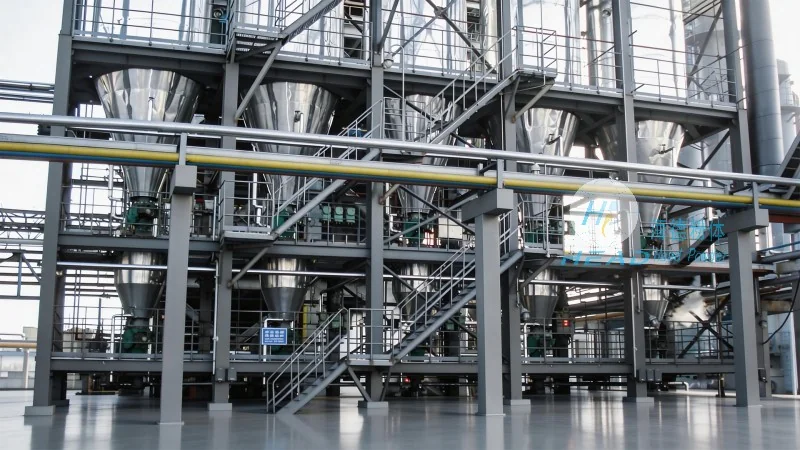
The small material conveying system equipment is widely used in various industries, including pharmaceuticals, food processing, chemical manufacturing, and mining. In the pharmaceutical industry, for example, these systems are used to transport active ingredients and excipients with high precision, ensuring that the final product meets strict quality standards. In food processing, the systems are employed to handle ingredients like flour, sugar, and spices, maintaining hygiene and preventing contamination. The benefits of using such systems include improved efficiency, reduced labor costs, and enhanced product quality. By automating the material handling process, these systems allow manufacturers to increase production throughput while maintaining consistent quality. Furthermore, the compact design of many small material conveying systems makes them suitable for installation in confined spaces, which is often a challenge in modern industrial facilities.
Customization and Maintenance Considerations
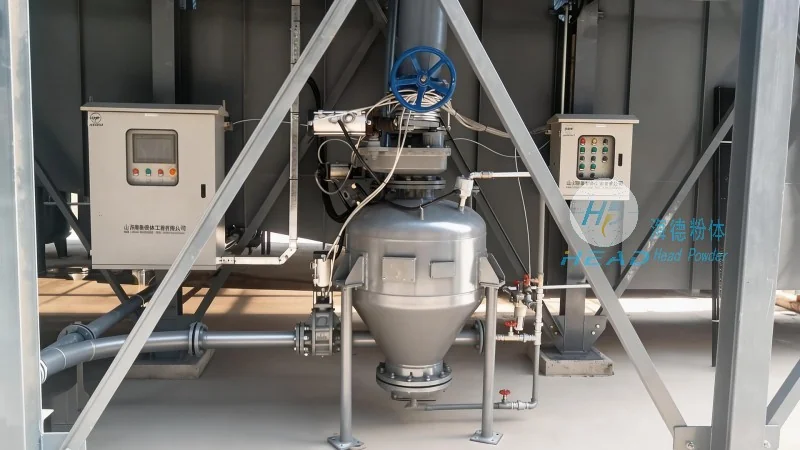
Given the diverse nature of industrial applications, small material conveying systems are often customizable to meet specific requirements. Manufacturers may offer options such as different conveyor lengths, material handling capacities, and control interfaces to suit various needs. This flexibility allows users to optimize the system for their particular processes, ensuring maximum efficiency and performance. Regular maintenance is also essential to keep the equipment in good working condition. This includes routine checks of the conveyor components, cleaning of the system, and replacement of worn parts. Proper maintenance not only extends the lifespan of the equipment but also reduces the risk of breakdowns and production disruptions. The use of high-quality materials and components further contributes to the longevity and reliability of the system.
Conclusion
In summary, the small material conveying system equipment is a vital component in modern industrial operations, providing efficient and reliable transport of small bulk materials. Its working principle, which combines specialized mechanisms and control systems, ensures that materials are handled with precision and care. The key features, including adaptability, safety, and customization options, make these systems suitable for a wide range of applications. By understanding the working principle and features of such equipment, industrial users can make informed decisions when selecting and implementing the right system for their needs. The continued advancements in technology are likely to further enhance the performance and capabilities of these systems, contributing to improved productivity and quality in various industries.