

Working Principle and Features of Starch Material Handling System Equipment
The starch material handling system equipment plays a crucial role in the modern food and chemical industries, particularly in processes involving starch processing. These systems are designed to efficiently transport starch materials from one point to another within production facilities, ensuring smooth operations and maintaining product quality. As a leading manufacturer in the field, Shandong HeadPowder Engineering Co., Ltd. specializes in providing advanced solutions tailored to the unique needs of starch processing applications.
Working Principle of Starch Material Handling System Equipment
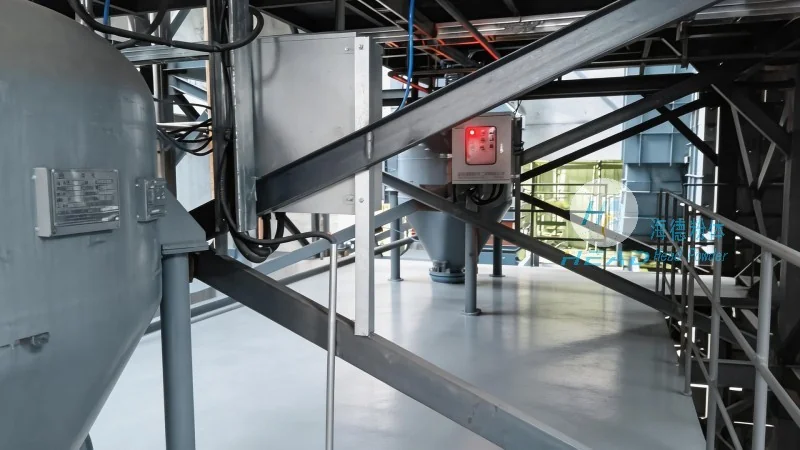
The working principle of starch material handling system equipment typically involves several key components and processes. At the core of these systems is the material feeding mechanism, which can include hoppers, feeders, or conveyor belts that collect and transport starch powders or granules. The feeding equipment is designed to handle the specific bulk density and flow characteristics of starch materials, ensuring consistent and controlled material flow.
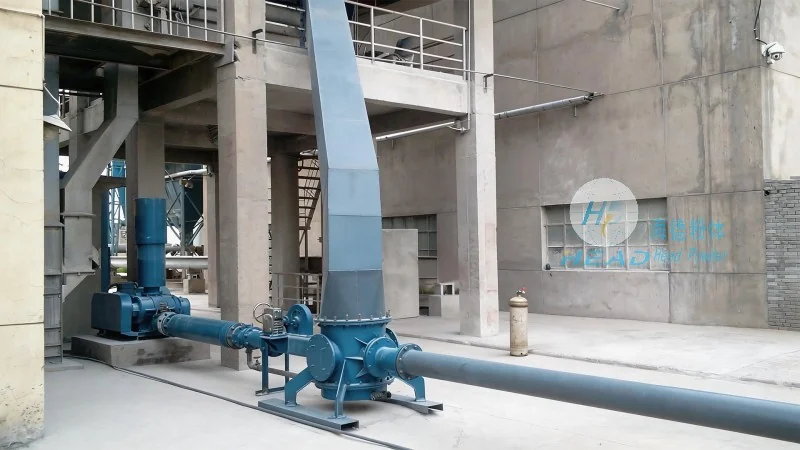
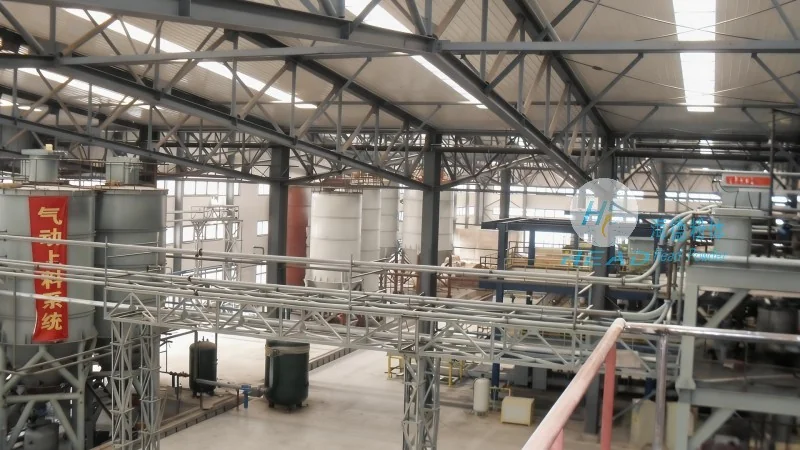
Next, the conveying mechanism, which may utilize screw conveyors, belt conveyors, or pneumatic systems, depending on the system design and material properties. Screw conveyors are commonly used for vertical or inclined transport, as they can handle fine powders and granules without clogging. Belt conveyors are ideal for horizontal or slightly inclined transport, offering high capacity and low maintenance. Pneumatic systems, or air conveyors, are suitable for transporting starch powders over longer distances or in environments where dust control is critical.
The control system is another critical component, which monitors and regulates the flow rate, pressure, and temperature of the starch material. Modern systems often incorporate sensors and automation technology to ensure precise control and prevent overloading or underloading. This automation enhances operational efficiency and reduces the risk of material damage or contamination.
Key Features of Starch Material Handling System Equipment
The features of starch material handling system equipment from Shandong HeadPowder Engineering Co., Ltd. are tailored to meet the demanding requirements of starch processing. One key feature is the robust construction, which is designed to withstand the abrasive nature of starch materials and the harsh operating conditions in production facilities. The equipment is typically made from high-quality materials such as stainless steel or corrosion-resistant alloys, ensuring durability and long service life.
Another important feature is the high efficiency and low energy consumption. The systems are engineered to minimize energy usage while maximizing material throughput, which helps reduce operational costs and environmental impact. The design incorporates optimized flow paths and minimal friction, resulting in smooth and consistent material transport.
Dust control is a critical feature, as starch powders can create airborne dust that poses health and safety risks. The equipment is equipped with dust collection systems, such as hoods and filters, to capture and contain dust, ensuring a safe working environment. Additionally, the systems are designed to minimize dust generation during material handling, reducing the need for extensive cleaning and maintenance.
Customization is another key feature, as different starch processing facilities have unique requirements. Shandong HeadPowder offers tailored solutions that can be adjusted to handle various starch types, such as corn starch, wheat starch, or potato starch, and accommodate different production capacities. The systems can be integrated with existing production lines or designed as standalone units, providing flexibility and adaptability.
Furthermore, the equipment is designed with ease of maintenance in mind. Modular construction allows for quick access to components, facilitating routine checks and repairs. This reduces downtime and ensures the system operates at optimal performance levels. Advanced materials and engineering techniques are employed to enhance reliability, minimizing the risk of breakdowns and extending the equipment's service life.