

Working Principle and Features of Polyethylene Powder Material Conveying Lines
For industrial applications requiring efficient and reliable transport of polyethylene powder, the polyethylene powder material conveying line offers a robust solution. This system is designed to handle the unique challenges associated with polyethylene powder, such as its fine particle size, static electricity, and flow characteristics. The following article explores the working principle and key features of this conveying line, providing insights into its functionality and benefits.
Introduction to Polyethylene Powder Material Conveying Lines
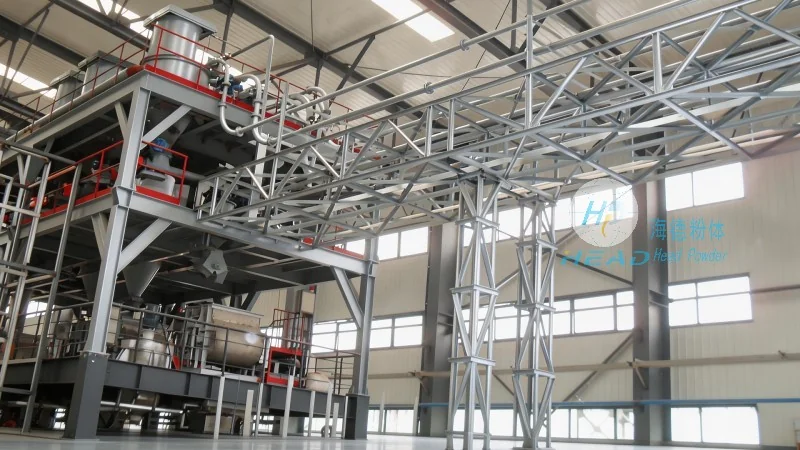
The polyethylene powder material conveying line is a specialized system engineered to transport polyethylene powder from storage or processing areas to various points of use within an industrial facility. It is commonly used in sectors like plastics manufacturing, chemical processing, and material handling, where consistent and controlled movement of polyethylene powder is critical for operational efficiency. The system integrates multiple components, including hoppers, feeders, conveyors, and control systems, to ensure seamless material flow and minimal loss or contamination.
Working Principle of the Conveying Line
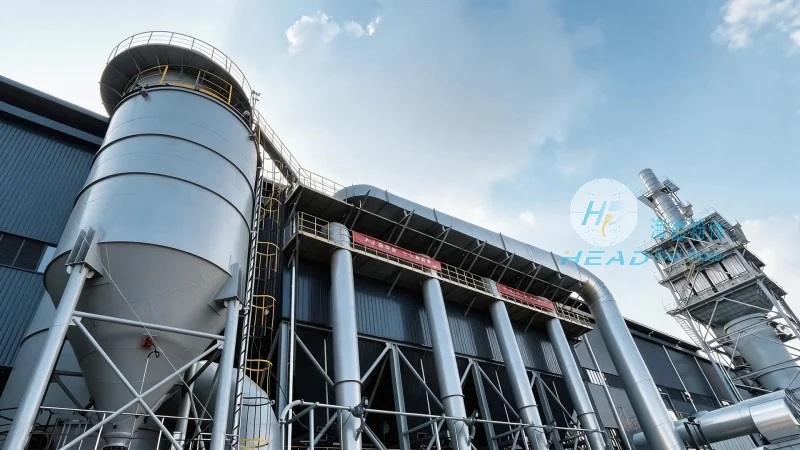
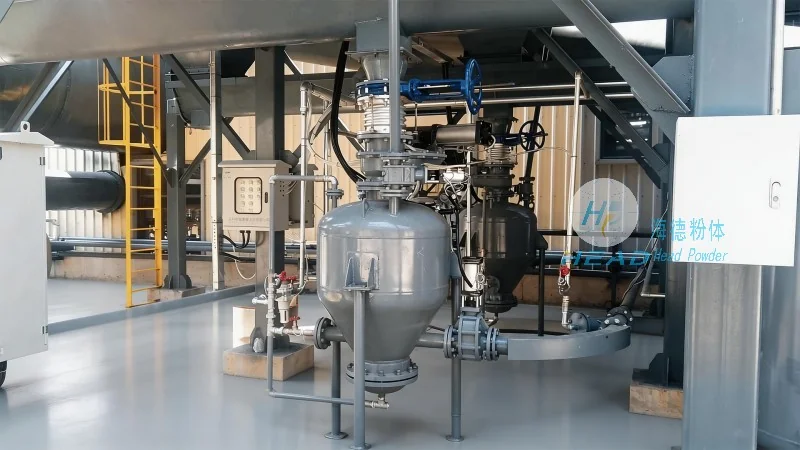
The operation of the polyethylene powder conveying line is based on a combination of mechanical and pneumatic principles. The process typically begins with the polyethylene powder being stored in a hopper or silo. From there, a feeder mechanism, such as a rotary valve or a screw feeder, regulates the flow of powder into the conveyor system. The conveyor itself may be a pneumatic system, utilizing air pressure to move the powder through a pipeline, or a mechanical system, employing belts or buckets to transport the material. The control system monitors and adjusts the flow rate, pressure, and other parameters to maintain optimal performance and prevent issues like blockages or overloading.
Key Features of the Conveying System
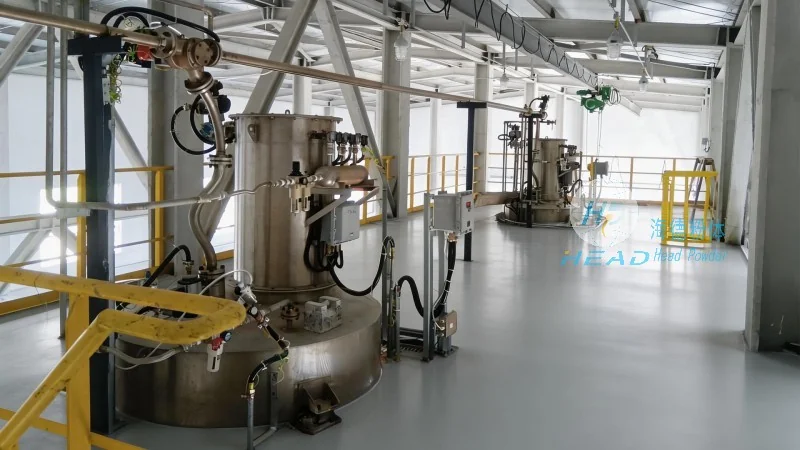
The polyethylene powder material conveying line is characterized by several features that enhance its performance and reliability. Firstly, it incorporates anti-static measures to prevent the buildup of static electricity, which is common in polyethylene powder and can lead to material sticking or ignition hazards. The system may include grounding components and static dissipative materials to ensure safety and operational stability. Secondly, the conveying line is designed for low maintenance and durability, with components made from materials resistant to the chemical and physical properties of polyethylene powder. This includes corrosion-resistant metals and wear-resistant coatings to extend the service life of the equipment. Thirdly, the system offers flexibility in terms of layout and integration, allowing it to be customized to fit the specific requirements of different industrial applications. It can be configured for horizontal, vertical, or inclined transport, and can be integrated with other processing equipment to form a comprehensive material handling solution.
Company Overview: Shandong HeadPowder Engineering Co., Ltd.
Shandong HeadPowder Engineering Co., Ltd., commonly known as headpowder, is a leading manufacturer and supplier of material handling systems, including polyethylene powder conveying lines. With a focus on innovation and quality, the company has established itself as a trusted partner in the industry, providing customized solutions tailored to the needs of its clients. HeadPowder's products are designed to meet international standards and are backed by a team of experienced engineers and technicians who ensure optimal performance and customer satisfaction. The company's headquarters is located in Shandong, China, where it operates a state-of-the-art manufacturing facility and research center. Through continuous investment in technology and R&D, HeadPowder remains at the forefront of material handling solutions, delivering reliable and efficient systems to industries worldwide.