

Working Principle and Features of Activated Carbon Material Handling Equipment
Activated carbon material handling equipment is a specialized system designed to transport and manage activated carbon, a critical adsorbent widely used in environmental protection, water treatment, and industrial processes. This equipment ensures efficient and safe movement of activated carbon, which is essential for maintaining the performance and reliability of various industrial applications. The following sections will explore the working principle and key features of such equipment, providing a comprehensive understanding of its functionality and benefits.
Working Principle of Activated Carbon Material Handling Equipment
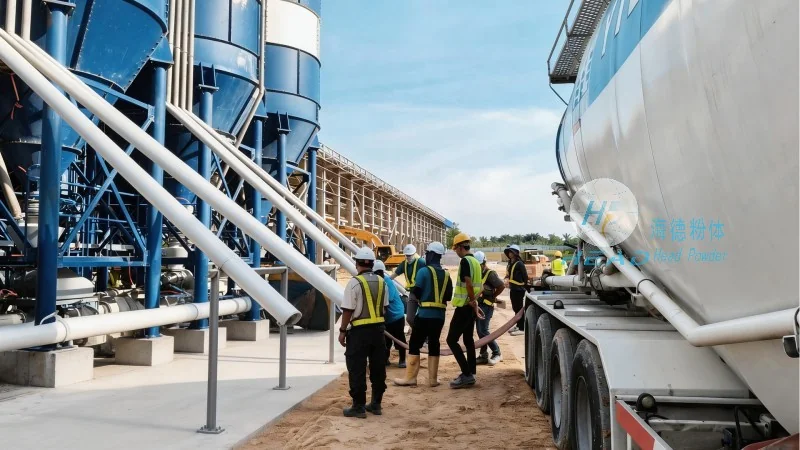
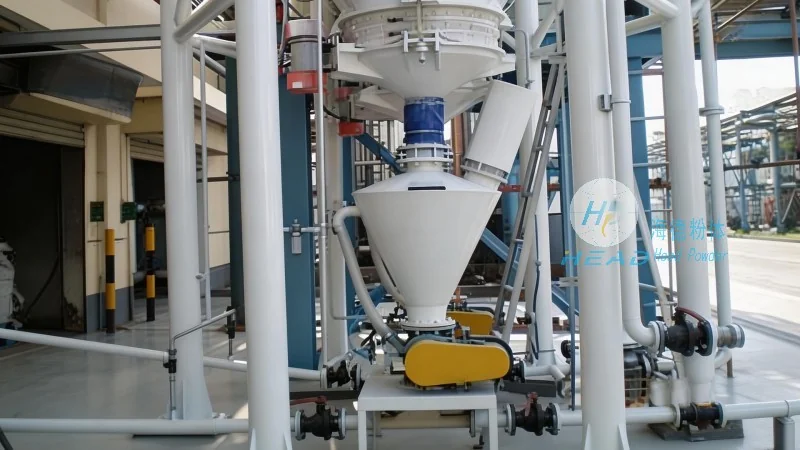
The working principle of activated carbon material handling equipment typically involves several integrated components that work in tandem to achieve efficient material transport. The system generally includes a feeding mechanism, conveying components, and control systems. The feeding mechanism is responsible for introducing activated carbon into the system, often from storage silos or bulk containers. This is followed by the conveying components, which may include screw conveyors, belt conveyors, or pneumatic systems, depending on the specific design and application requirements. The control systems monitor and regulate the flow rate, ensuring consistent and controlled movement of the material. For example, in a screw conveyor system, the rotating screw pushes the activated carbon forward through a tube or trough, while the speed of the screw can be adjusted to control the flow rate. In pneumatic systems, compressed air is used to transport the activated carbon as a slurry or dry powder through pipes, offering flexibility in handling different particle sizes and moisture content. The overall process is designed to minimize material degradation, prevent dust generation, and ensure smooth operation, which are crucial for maintaining the quality of the activated carbon and the efficiency of downstream processes.
Key Features of Activated Carbon Material Handling Equipment
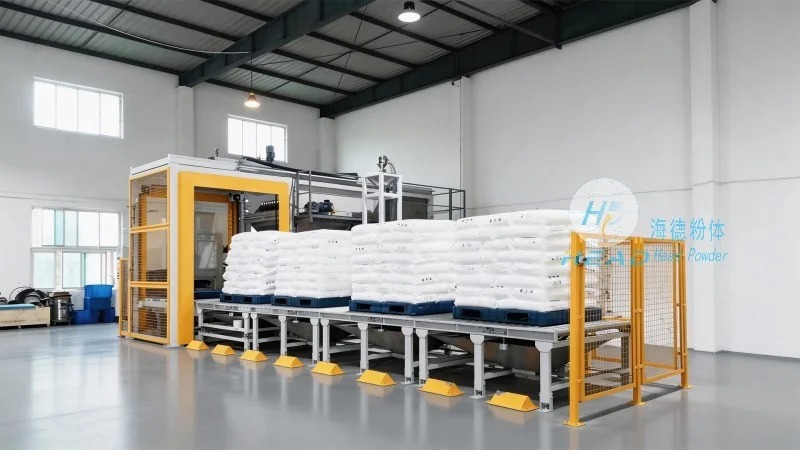
Activated carbon material handling equipment is characterized by several key features that enhance its performance and adaptability. One of the primary features is its ability to handle bulk materials efficiently, reducing labor costs and improving operational throughput. The equipment is designed to handle activated carbon in various forms, including dry powder, granules, or pellets, making it versatile for different industrial applications. Another important feature is the integration of dust control measures, such as enclosed systems and dust collection devices, which minimize environmental impact and ensure workplace safety. The equipment also incorporates advanced control technologies, such as variable speed drives and sensors, to monitor and adjust the material flow in real-time, optimizing performance and preventing system overloads. Additionally, the design of the equipment emphasizes durability and low maintenance, with robust construction and easy-to-clean components, which reduces downtime and operational costs. The features also include flexibility in system integration, allowing the equipment to be customized to fit specific plant layouts and process requirements. For instance, the conveyor systems can be arranged in multiple configurations, such as horizontal, vertical, or inclined, to accommodate different spatial constraints and material handling needs. The equipment is also designed to be compatible with other industrial systems, such as storage silos and processing units, enabling seamless integration into existing production lines.
Applications and Benefits of Activated Carbon Material Handling Equipment
Activated carbon material handling equipment finds extensive applications in various industries, including water treatment, air purification, and chemical processing. In water treatment plants, the equipment is used to transport activated carbon for filtration and adsorption processes, improving water quality by removing contaminants such as organic compounds and heavy metals. In air purification systems, the equipment handles activated carbon for industrial and commercial air filtration, effectively removing odors and pollutants from the air. The benefits of using such equipment include improved operational efficiency, reduced material loss, and enhanced safety in material handling. The equipment also contributes to environmental sustainability by minimizing waste and optimizing the use of activated carbon, which is a valuable resource. Furthermore, the consistent material flow and quality control provided by the equipment ensure reliable performance of downstream processes, leading to higher product yields and reduced operational costs. The adaptability of the equipment to different material forms and process requirements makes it a valuable asset for industrial operations, supporting the efficient and sustainable use of activated carbon in various applications.
About Shandong HeadPowder Engineering Co., Ltd.
Shandong HeadPowder Engineering Co., Ltd. is a leading manufacturer and supplier of activated carbon material handling equipment, with a focus on providing high-quality, reliable solutions for industrial applications. The company is based in Shandong, China, and has established a strong reputation for its innovative designs, robust construction, and excellent customer service. HeadPowder Engineering specializes in customizing equipment to meet the specific needs of clients, ensuring that the systems are tailored to the unique requirements of each project. The company's products are designed with advanced technology and rigorous quality control, meeting international standards and industry regulations. With a commitment to sustainability and efficiency, HeadPowder Engineering aims to support the growth and success of its clients by providing reliable and effective material handling solutions. The company's team of experts provides technical support and consultation to help clients select and implement the most suitable equipment for their operations, ensuring optimal performance and long-term value.