

Working Principle and Features of Quicklime Material Handling Equipment
Quicklime, also known as calcium oxide, is a critical industrial material widely utilized in sectors such as construction, chemical manufacturing, and environmental treatment. The efficient handling and transportation of quicklime are essential for maintaining production efficiency and ensuring safety in industrial operations. This article explores the working principle and key features of quicklime material handling equipment, highlighting how advanced technology and design contribute to optimal performance in material transport processes.
Company Overview: HeadPowder Engineering
HeadPowder Engineering, a leading manufacturer based in Shandong, China, specializes in the design, development, and production of high-quality material handling solutions. With a strong commitment to innovation and customer satisfaction, the company has established itself as a trusted partner in the industry, providing tailored equipment that meets the specific needs of clients. The company's headquarters and main production facilities are located in Shandong, where skilled engineers and technicians work diligently to ensure the quality and reliability of their products.
Working Principle of Quicklime Material Handling Equipment
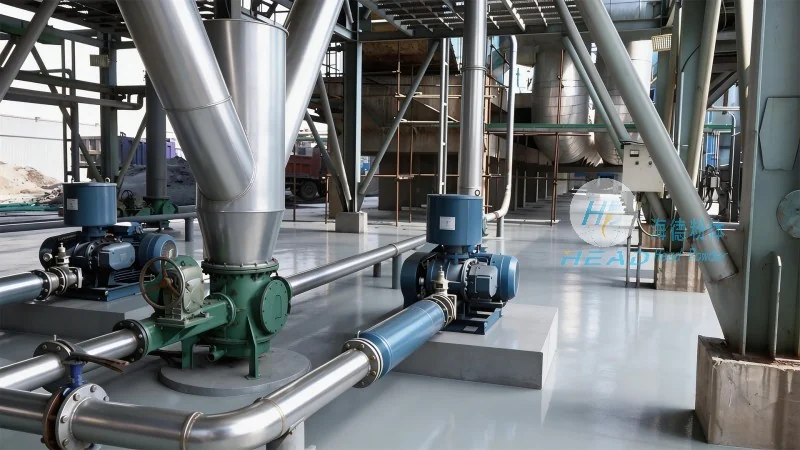
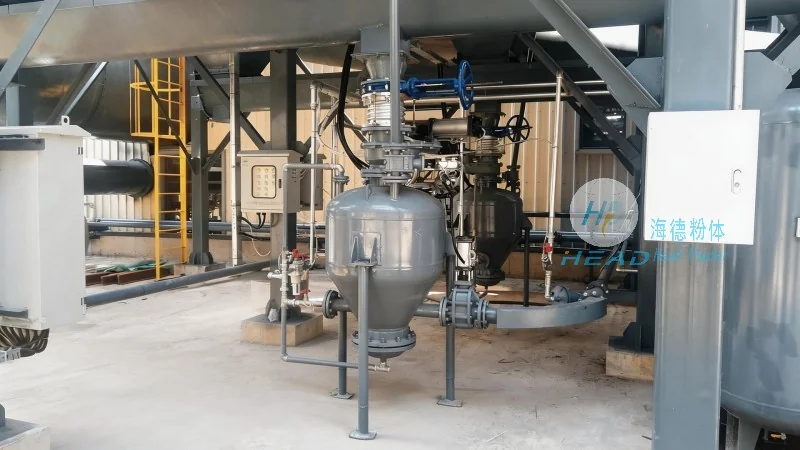
The working principle of quicklime material handling equipment typically involves a combination of mechanical components and control systems designed to safely and efficiently transport quicklime from storage to processing or application points. The primary components include feeders, conveyors, and control units, each playing a critical role in the overall operation. The equipment often starts with a storage hopper or silo where quicklime is stored under controlled conditions to prevent moisture absorption and clumping. From the hopper, the material is fed into a conveyor system, which may consist of belt conveyors, screw conveyors, or pneumatic conveyors, depending on the specific application and material characteristics.
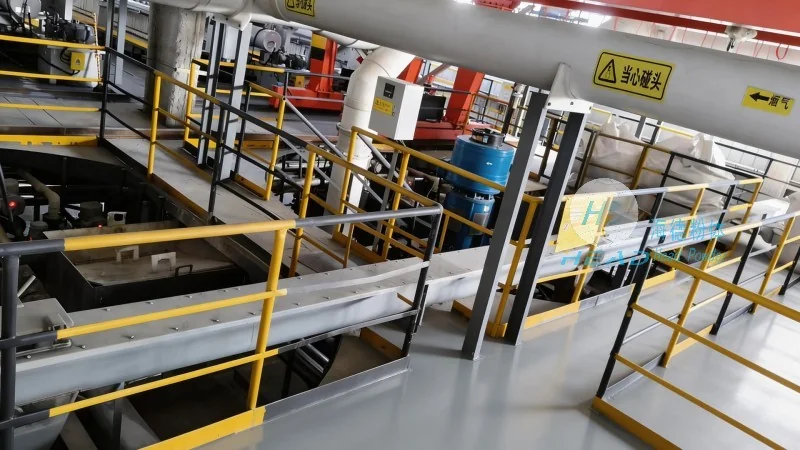
Belt conveyors are commonly used for horizontal or slight incline transport due to their ability to handle large volumes of material with minimal maintenance. The conveyor system is equipped with adjustable speed controls and safety sensors to regulate the flow of quicklime and prevent overloading or blockages. Screw conveyors, on the other hand, are ideal for vertical or inclined transport, as they can handle materials with higher moisture content or those that tend to stick together. These conveyors use rotating screws to move the material through the system, ensuring consistent and reliable transport.
Pneumatic conveyors are another option, particularly for applications requiring dust-free or low-moisture transport. These systems use air pressure to move quicklime through a network of pipes, allowing for flexible and enclosed transport solutions. The control unit of the equipment monitors various parameters such as pressure, flow rate, and temperature, ensuring that the system operates within safe and optimal conditions. Sensors and alarms are integrated to detect any abnormalities, such as blockages or overfilling, and trigger appropriate responses to prevent accidents or equipment damage.
Key Features of Quicklime Material Handling Equipment
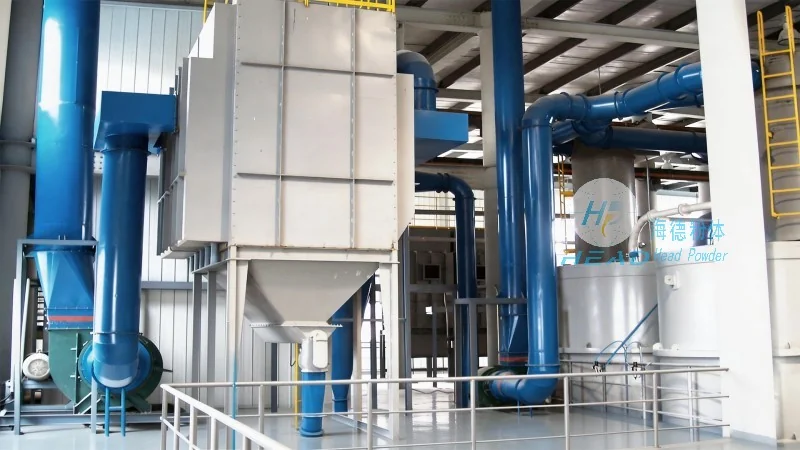
Modern quicklime material handling equipment is characterized by several key features that enhance performance, safety, and efficiency. One of the most important features is the ability to handle the unique properties of quicklime, such as its high reactivity and tendency to absorb moisture. The equipment is designed with corrosion-resistant materials, such as stainless steel or special coatings, to withstand the chemical effects of quicklime and prevent degradation over time. Additionally, the systems are equipped with dust suppression mechanisms, including sealed enclosures and air filtration systems, to minimize dust emissions and comply with environmental regulations.
Another critical feature is the integration of advanced control systems that allow for precise regulation of the material flow. These systems may include programmable logic controllers (PLCs) and human-machine interfaces (HMIs), enabling operators to monitor and adjust the equipment parameters in real-time. The equipment also features safety features such as emergency stop buttons, overload protection, and interlocks to prevent accidents and ensure the safety of personnel. The design of the equipment is modular, allowing for easy installation, maintenance, and customization to meet the specific requirements of different industrial applications.
Efficiency is a key consideration in the design of quicklime material handling equipment. The systems are engineered to minimize energy consumption while maximizing throughput, reducing operational costs for the end-user. The use of high-quality bearings and motors ensures smooth operation and long service life, reducing the need for frequent repairs and replacements. Furthermore, the equipment is designed to be compatible with existing industrial infrastructure, allowing for seamless integration into existing production lines without major modifications.
Conclusion and Company Commitment
In conclusion, quicklime material handling equipment plays a vital role in ensuring the efficient and safe transport of this essential industrial material. The working principle, which combines mechanical components and advanced control systems, enables reliable and consistent material transport. The key features, including corrosion resistance, dust suppression, and precise control, enhance the performance and safety of the equipment. HeadPowder Engineering, with its expertise and commitment to quality, provides high-performance quicklime material handling solutions that meet the demands of modern industrial applications. By leveraging advanced technology and innovative design, the company continues to deliver equipment that contributes to improved productivity and safety in the handling of quicklime.