

Working Principle and Features of Automatic Material Feeding and Conveying Equipment
Automatic material feeding and conveying equipment is a critical component in modern industrial processes, designed to streamline material handling and enhance operational efficiency. This equipment is engineered to automatically feed raw materials or components into production lines, ensuring consistent and reliable supply for downstream processes. The working principle and key features of such equipment are essential for understanding its role in optimizing manufacturing workflows.
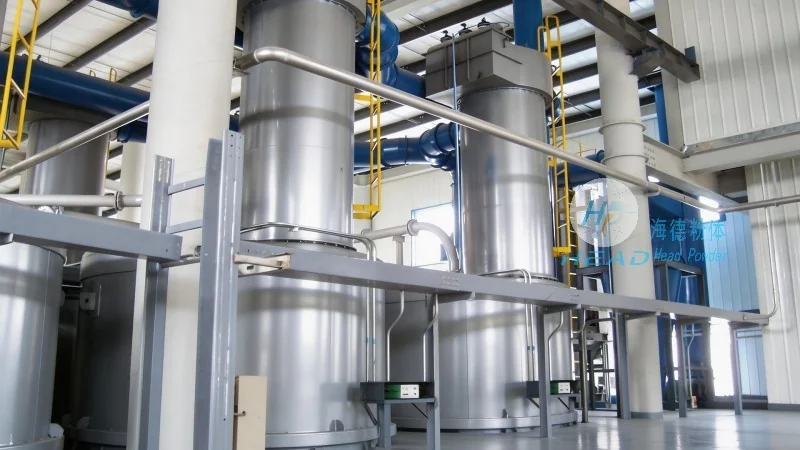
Working Principle of Automatic Material Feeding Equipment
The core working principle of automatic material feeding equipment revolves around the integration of advanced sensors, control systems, and mechanical components. These systems work in tandem to detect, sort, and transport materials with precision. Typically, the process begins with material input, where raw materials are loaded into a hopper or storage container. Sensors, such as optical or inductive sensors, are employed to identify the presence and type of materials. Once detected, the control system initiates the feeding mechanism, which may include vibratory feeders, screw conveyors, or belt conveyors, depending on the material characteristics and processing requirements. The equipment then regulates the flow rate and direction of the material, ensuring a steady and controlled supply to the production line. This automated approach eliminates manual intervention, reducing human error and increasing production consistency.
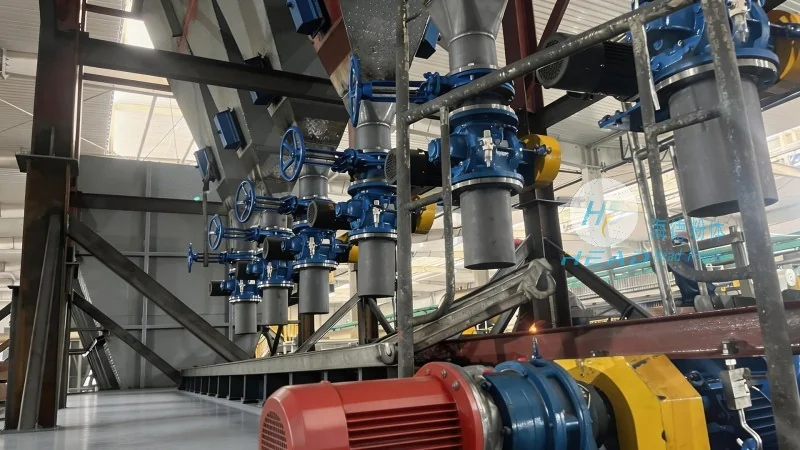
Key Features of Automatic Material Feeding and Conveying Equipment
Automatic material feeding and conveying equipment offers several distinct features that contribute to its effectiveness in industrial settings. One of the primary features is high precision and accuracy. Advanced control systems allow for precise regulation of material flow, ensuring that the correct quantity is delivered to the production line at the right time. This precision is crucial for maintaining product quality and reducing waste. Another notable feature is adaptability. Modern equipment can be configured to handle a wide range of materials, from powders and granules to small parts and components, making it versatile for various applications. The equipment also incorporates safety features, such as emergency stop buttons and protective enclosures, to safeguard operators and prevent accidents. Additionally, many models are equipped with monitoring and diagnostic tools, enabling real-time tracking of performance and facilitating quick troubleshooting. These features collectively enhance the reliability and efficiency of material handling operations.
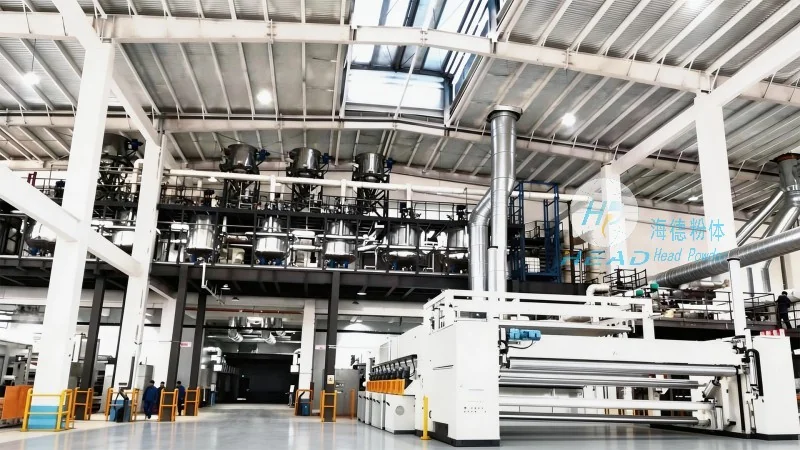
Applications and Benefits in Industrial Production
The application of automatic material feeding and conveying equipment spans multiple industries, including pharmaceuticals, food processing, and manufacturing. In the pharmaceutical industry, for example, such equipment is used to handle sensitive raw materials, ensuring contamination-free and precise dosing. In food processing, it helps maintain hygiene standards while efficiently delivering ingredients to production lines. The benefits of implementing this equipment extend beyond operational efficiency. By automating material handling, companies can reduce labor costs, minimize downtime due to manual errors, and improve overall productivity. Furthermore, the consistent material supply enhances the quality of finished products, leading to higher customer satisfaction and reduced waste. The integration of advanced technology in these systems also supports scalability, allowing businesses to adapt to growing production demands without significant changes to their infrastructure.
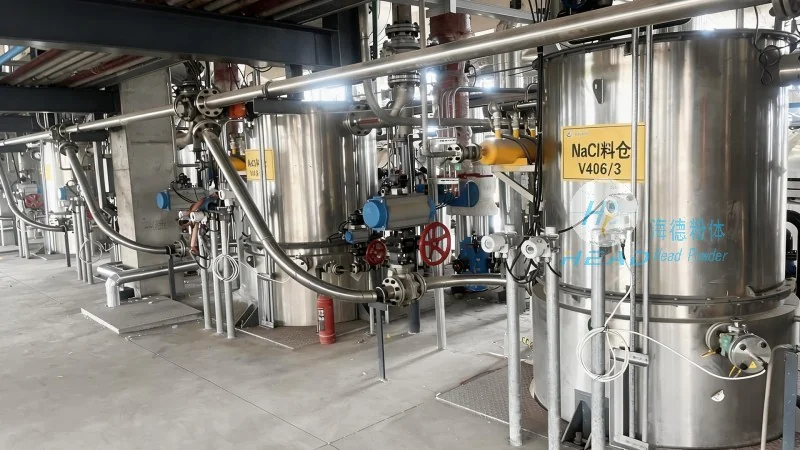
Conclusion and Company Overview
Automatic material feeding and conveying equipment is a vital technology for modern manufacturing, offering a reliable solution to the challenges of material handling. Its working principle, centered on automated detection and controlled transport, combined with key features like precision, adaptability, and safety, makes it an indispensable asset for industries seeking to optimize their operations. As a leading provider in this field, Shandong HeadPowder Engineering Co., Ltd. specializes in designing and manufacturing high-quality automatic material feeding systems tailored to meet diverse industrial needs. With a commitment to innovation and customer satisfaction, the company delivers equipment that enhances efficiency, reduces costs, and ensures consistent quality in production processes. Based in Shandong, China, HeadPowder continues to advance the technology of material handling, supporting businesses in achieving their operational goals with precision and reliability.