

[WOKING PRINCIPLE AND FEATURES OF VACUUM MATERIAL FEEDING AND CONVEYING EQUIPMENT]
For industries that require efficient and reliable material handling, vacuum material feeding equipment has emerged as a critical solution. This equipment is designed to transport bulk materials from a source to a processing or storage location using a vacuum system. Understanding its working principle and key features is essential for selecting the right equipment for specific applications.
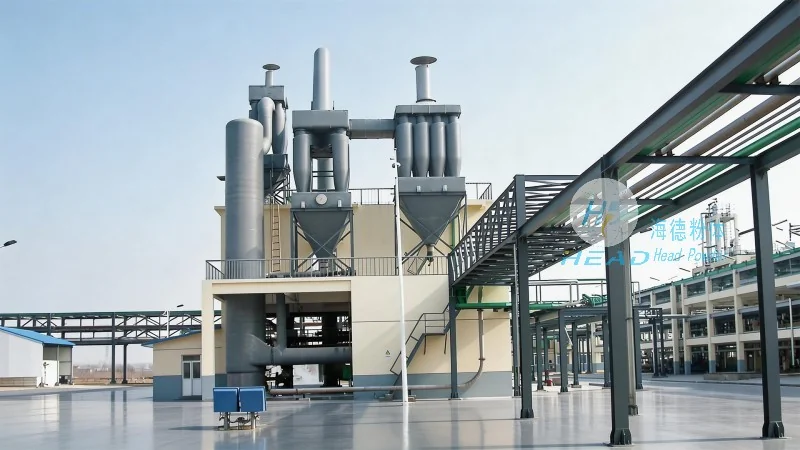
Introduction to Vacuum Material Feeding Equipment
Vacuum material feeding systems are widely used in various sectors, including pharmaceuticals, food processing, chemical manufacturing, and powder handling. The primary function of these systems is to move dry, free-flowing materials such as powders, granules, and small particles. By creating a vacuum, the system draws the material from a hopper or container and transports it through a pipeline to the desired destination. This method offers several advantages over traditional mechanical conveying methods, including reduced noise, lower energy consumption, and the ability to handle materials that are sensitive to contamination or degradation.
The Working Principle of Vacuum Material Feeding Equipment
The core of vacuum material feeding equipment is the vacuum generation and material transport mechanism. The process typically involves the following steps:
1. **Vacuum Generation**: A vacuum pump creates a low-pressure environment within the system. This pump is usually a rotary vane or roots-type pump, which is capable of maintaining a consistent vacuum level throughout the operation.
2. **Material Suction**: As the vacuum is established, the material in the source container is drawn into the suction port of the equipment. The material is then carried along the pipeline by the airflow generated by the vacuum pump.
3. **Material Delivery**: The material travels through the pipeline to the discharge point, where it is released into the processing equipment or storage vessel. The system can be equipped with various components such as filters, regulators, and valves to control the flow and ensure proper material handling.
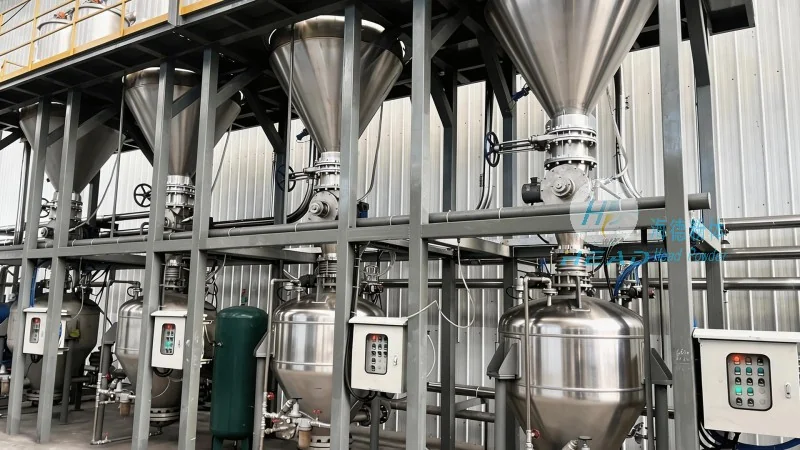
4. **System Regulation**: To maintain optimal performance, the vacuum system includes control mechanisms that adjust the vacuum level based on the material flow rate and pipeline length. This ensures that the material is conveyed efficiently without excessive pressure drop or energy waste.
Key Features of Vacuum Material Feeding Equipment
Vacuum material feeding equipment offers several notable features that make it suitable for diverse industrial applications:
1. **Quiet Operation**: Unlike mechanical conveyors that use belts or screws, vacuum systems operate silently. This is particularly beneficial in environments where noise control is a priority, such as in pharmaceutical or food processing facilities.
2. **Low Maintenance**: The absence of moving parts in the material transport path reduces the need for frequent maintenance. This leads to lower operational costs and increased system reliability.
3. **Versatility**: Vacuum feeding systems can handle a wide range of materials, from fine powders to coarse granules. They are also adaptable to different container sizes and shapes, making them suitable for various production setups.

4. **Energy Efficiency**: By using a vacuum to draw materials, the system minimizes energy consumption compared to other conveying methods. The vacuum pump operates at a lower power level, contributing to overall energy savings.
5. **Contamination Control**: The enclosed pipeline design prevents material from coming into contact with the environment, reducing the risk of contamination. This is crucial in industries where product purity is paramount, such as in the pharmaceutical and food industries.
Applications and Benefits in Industrial Settings
Vacuum material feeding equipment is employed in numerous industrial applications, each benefiting from its unique characteristics. For example, in the pharmaceutical industry, these systems are used to handle active pharmaceutical ingredients (APIs) and excipients, ensuring that the materials are transported without any contamination or degradation. In the food processing sector, they are used to convey ingredients like flour, sugar, and spices, maintaining the quality and safety of the products.
In chemical manufacturing, vacuum feeding systems are utilized to transport powders and granules, which may be hazardous or sensitive to moisture. The enclosed design and controlled environment help in maintaining the integrity of the materials and preventing any adverse reactions. Additionally, in the plastics and ceramics industries, these systems are used to handle raw materials, improving the efficiency of the production process.
Conclusion
Vacuum material feeding equipment is a sophisticated solution for efficient and reliable material handling. Its working principle, based on vacuum generation and material transport, offers numerous advantages over traditional methods. The key features, including quiet operation, low maintenance, versatility, energy efficiency, and contamination control, make it an ideal choice for various industrial applications. As industries continue to seek more efficient and sustainable solutions, vacuum feeding systems remain a vital component in modern material handling processes.