

Working Principle and Features of Dust-Free Material Feeding and Conveying Systems
HeadPowder, a leading manufacturer in the field of industrial material handling, specializes in the design, development, and production of advanced dust-free material feeding and conveying systems. These systems are engineered to meet the stringent requirements of modern manufacturing environments, particularly in industries where contamination control is critical, such as pharmaceuticals, food processing, and electronics. The company, based in Shandong, China, has established itself as a trusted partner for businesses seeking reliable and efficient solutions for material handling processes.
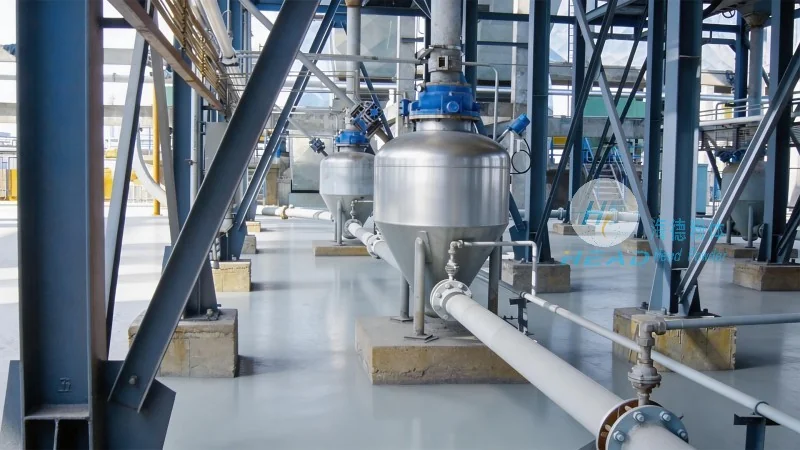
The core of a dust-free material feeding system lies in its ability to transport bulk materials from storage to processing units without generating airborne particles or contaminants. This is achieved through a combination of sealed mechanisms, advanced filtration systems, and precise control technologies. The working principle typically involves the following key components and processes:
First, the material is introduced into a sealed hopper or container. This initial step ensures that the material remains enclosed, preventing any exposure to the external environment. From the hopper, the material is then transferred to a conveyor or feeder system, which may include components like screw conveyors, vibratory feeders, or pneumatic transport lines. Each of these components is designed with airtight seals and internal mechanisms that minimize the risk of dust leakage. For example, screw conveyors use rotating screws to move material along a closed tube, while vibratory feeders utilize gentle vibrations to ensure smooth and controlled flow.
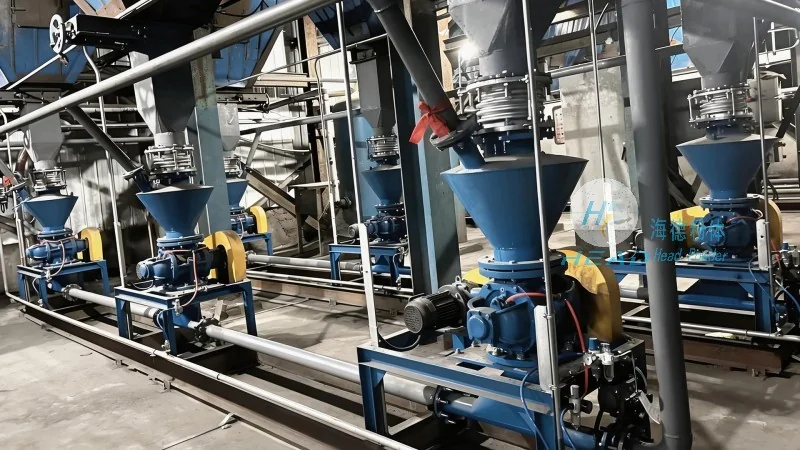
Next, the system incorporates advanced filtration and dust control measures. Many dust-free systems are equipped with HEPA or ULPA filters that capture any particles that may escape from the material handling process. These filters are integrated into the system's design to ensure that the air leaving the system is clean and free from contaminants. Additionally, some systems use negative pressure or air filtration systems to actively remove dust particles from the environment, further enhancing the overall cleanliness of the workspace.
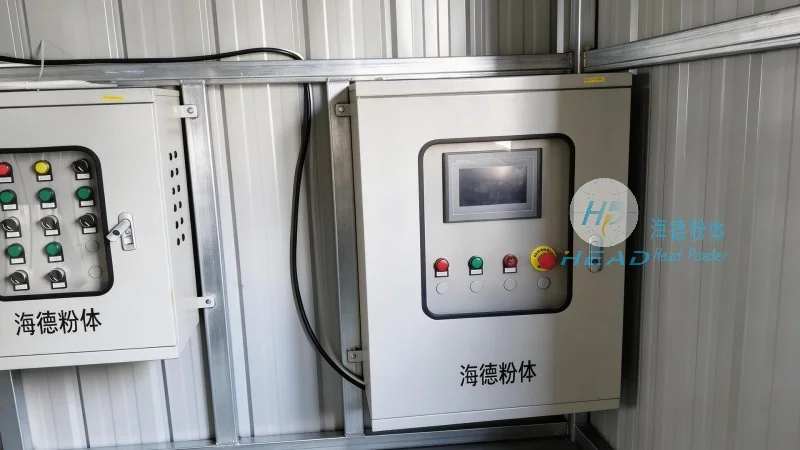
Control systems play a crucial role in maintaining the efficiency and safety of dust-free material feeding and conveying. Modern systems are often equipped with programmable logic controllers (PLCs) and sensors that monitor the flow rate, pressure, and temperature of the material. These controls allow for real-time adjustments to optimize the feeding process, ensuring that the material is delivered at the correct rate and without any interruptions. The integration of automation also helps in reducing human error and improving the consistency of the material handling process.
One of the key features of dust-free material feeding systems is their ability to handle a wide range of materials, from powders and granules to bulk solids. The design of these systems is flexible, allowing for customization based on the specific characteristics of the material being handled. For instance, systems for handling abrasive materials may include reinforced components to prevent wear and tear, while those for handling hygroscopic materials may incorporate moisture control features to prevent clumping or caking.
Another important feature is the system's ability to maintain a consistent flow rate. This is critical in applications where the material needs to be fed at a precise rate to ensure uniform processing. The use of variable speed drives and adjustable feed mechanisms allows operators to fine-tune the flow rate according to the requirements of the downstream process. This consistency helps in improving the quality of the final product and reducing waste.
Energy efficiency is also a notable feature of modern dust-free material feeding systems. Many systems are designed with energy-saving components, such as variable frequency drives (VFDs) that adjust the motor speed based on the load. This not only reduces energy consumption but also extends the lifespan of the equipment by minimizing mechanical stress. Additionally, the use of sealed and insulated components helps in reducing heat loss, further contributing to energy efficiency.
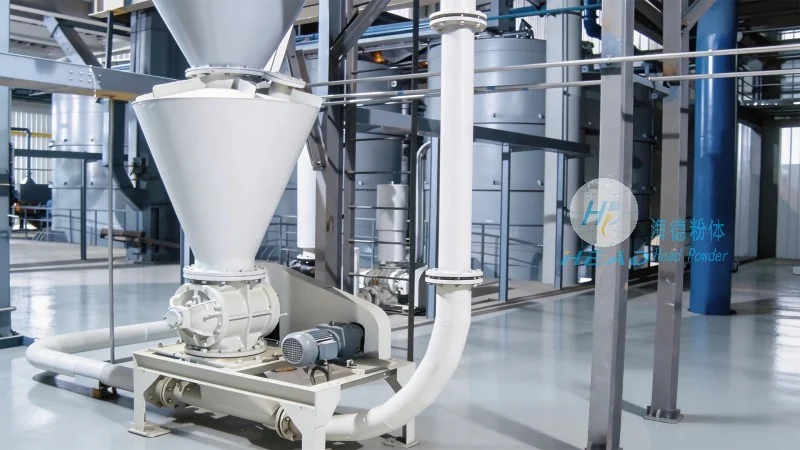
Reliability and durability are other key aspects of these systems. HeadPowder's dust-free material feeding systems are built with high-quality materials and robust construction to withstand the demands of continuous operation in industrial settings. The use of stainless steel and other corrosion-resistant materials ensures that the system remains in good condition even when handling harsh or abrasive materials. Regular maintenance and quality control measures are also implemented to ensure that the system operates reliably over its service life.
In summary, dust-free material feeding and conveying systems from HeadPowder are designed to provide efficient, safe, and reliable material handling solutions. By integrating advanced technologies and robust design, these systems address the challenges of contamination control while maintaining high performance and energy efficiency. As a leading company in this field, HeadPowder continues to innovate and provide customized solutions to meet the evolving needs of its clients in various industries.