

Working Principle and Features of Alumina Powder Conveyors
Alumina powder conveyors are critical equipment in various industrial sectors, including chemical processing, pharmaceutical manufacturing, and material handling. These systems are designed to transport fine alumina powder efficiently, ensuring safe and reliable material movement. Understanding the working principles and key features of such conveyors is essential for optimizing production workflows and maintaining operational efficiency.
Working Principle of Alumina Powder Conveyors
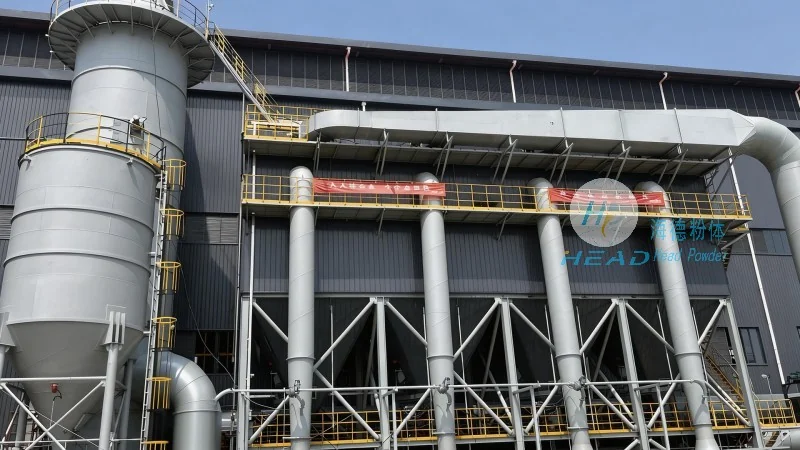
Alumina powder conveyors typically operate based on mechanical or pneumatic mechanisms, tailored to specific application needs. Mechanical conveyors, such as screw or belt types, utilize rotating components or moving belts to create a continuous flow of powder. Pneumatic conveyors, on the other hand, employ air pressure to push or pull the powder through a pipeline network, leveraging fluid dynamics for transport. HeadPowder, a leading manufacturer, integrates advanced engineering to design systems that balance performance and durability.
The core working principle involves controlling the movement of alumina powder from a source to a destination. For mechanical systems, the rotation of screws or the movement of belts creates a consistent flow, minimizing material segregation. Pneumatic systems use air pressure to maintain a uniform flow, with adjustable pressure levels to accommodate different powder characteristics. HeadPowder’s designs often include variable speed drives, enabling precise control over flow rates and ensuring consistent material delivery.
Key Features of Alumina Powder Conveyors
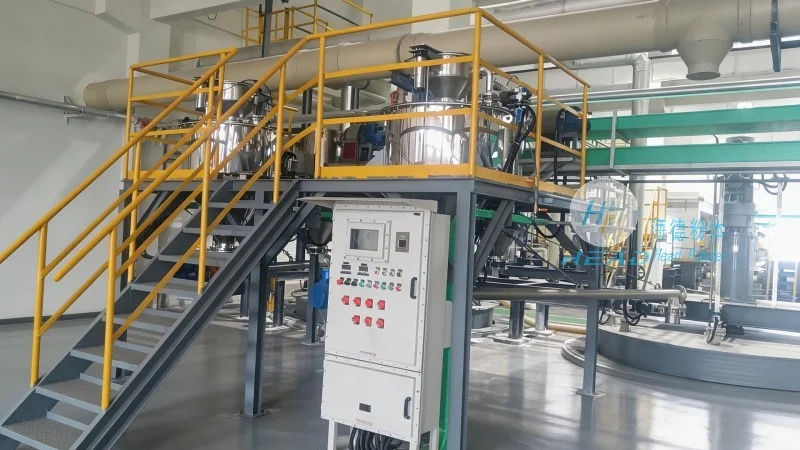
A primary feature is the ability to handle fine, dry powders without causing agglomeration or segregation. This is achieved through specialized design elements, such as enclosed conveyor paths and gentle material handling mechanisms. The equipment also incorporates dust collection and filtration systems to meet environmental regulations and protect personnel from inhalation hazards.
Another critical feature is adaptability to diverse production scales. HeadPowder offers conveyors that can be customized for small laboratory use or large industrial operations, with modular designs facilitating easy integration into existing production lines. The systems also include overload protection, emergency stop mechanisms, and temperature monitoring to enhance safety and reliability.
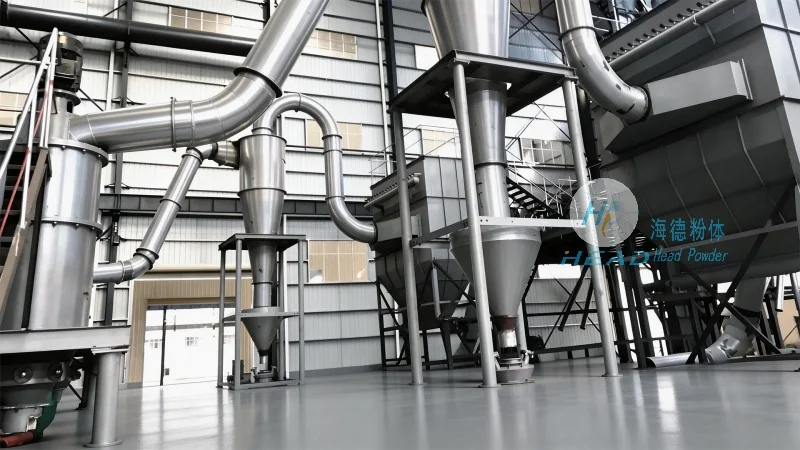
Material compatibility is a key consideration, as alumina powder can be abrasive or chemically reactive. HeadPowder uses corrosion-resistant alloys or high-density plastics for conveyor components, ensuring long-term durability. Sealed and enclosed designs further reduce spillage risks and maintain a clean working environment.
Applications and Benefits
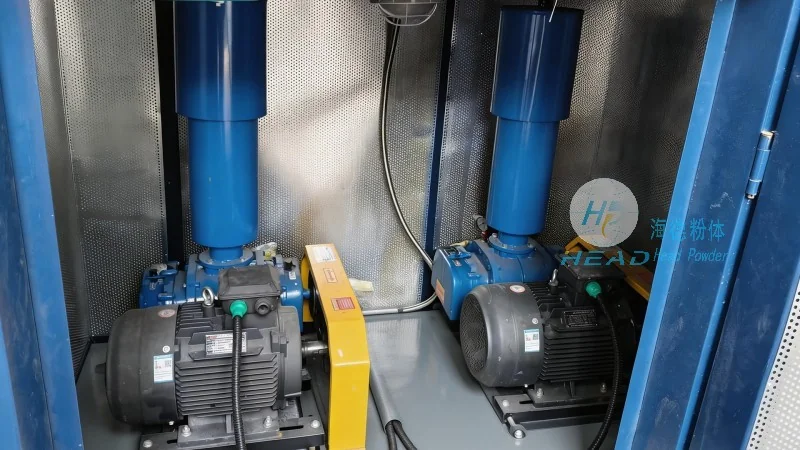
Alumina powder conveyors are widely used in industries producing ceramics, refractory materials, and high-purity chemicals. Efficient transport of alumina powder is vital for maintaining product quality and reducing processing time. By utilizing these conveyors, companies achieve improved productivity, lower operational costs, and enhanced product consistency.
HeadPowder Engineering Co., Ltd., based in Shandong, China, specializes in advanced alumina handling solutions. Their commitment to quality and innovation positions them as a trusted partner for businesses seeking reliable powder transport systems. With a focus on customer-specific requirements, HeadPowder provides tailored conveyor solutions that address unique operational challenges.