

Working Principle and Features of Magnesium Silicate Powder Conveyors
As a specialized manufacturer in the field of powder handling equipment, Shandong HeadPowder Engineering Co., Ltd. (hereinafter referred to as HeadPowder) provides high-quality magnesium silicate powder conveyors. These machines are designed to efficiently transport magnesium silicate powder, a common industrial material used in various applications such as refractory materials, cosmetics, and construction. Understanding the working principle and key features of these conveyors is essential for optimizing material handling processes and ensuring operational efficiency.
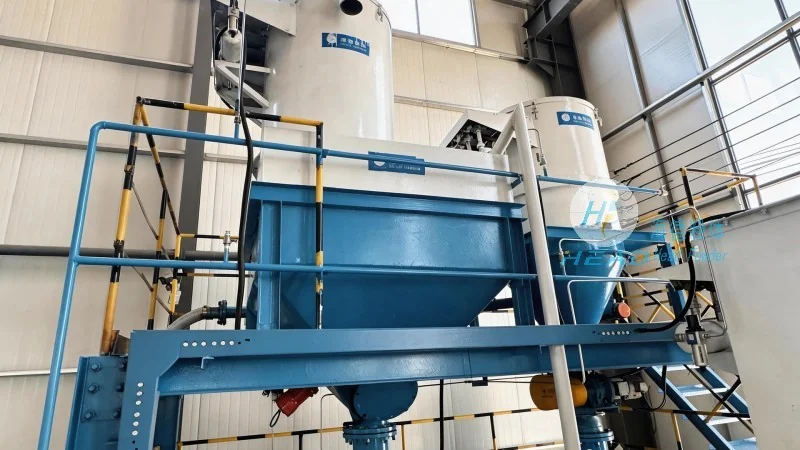
Overview of Magnesium Silicate Powder Conveyors
Magnesium silicate powder conveyors are engineered to handle the unique properties of magnesium silicate powder, which can be fine, dusty, and prone to caking or bridging under certain conditions. The design of these conveyors addresses these challenges through specialized components and operational mechanisms. HeadPowder's conveyors are built with durability and efficiency in mind, catering to the demands of industrial environments where reliable material transport is critical.
The Working Principle of Magnesium Silicate Powder Conveyors
The core working principle of magnesium silicate powder conveyors involves the use of a combination of mechanical and pneumatic systems to move powder from a source to a destination. Typically, the process begins with the powder being fed into the conveyor system, either through a hopper or a direct feed mechanism. The conveyor then uses a series of components, such as screw conveyors, pneumatic ducts, or belt systems, to transport the material. For magnesium silicate powder, which can be abrasive and potentially corrosive, the conveyor components are made from materials like stainless steel or special alloys to ensure longevity and resistance to wear.
One common type of magnesium silicate powder conveyor is the screw conveyor, which uses a rotating screw to push the powder forward. This method is effective for handling free-flowing powders but may require additional measures to prevent clogging, especially with cohesive materials like magnesium silicate. Another approach involves the use of pneumatic conveyors, which utilize air pressure to move the powder through a pipeline. This method is particularly useful for long-distance or high-volume transport but requires careful control of air pressure and flow rates to maintain efficiency and prevent material degradation.
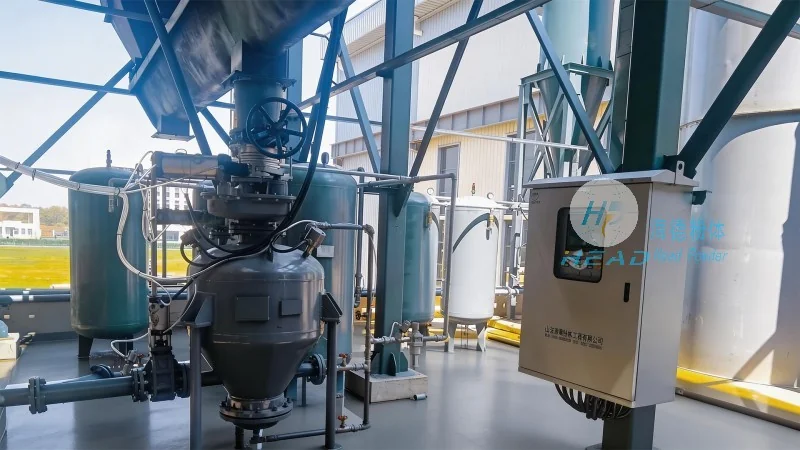
Key Features of Magnesium Silicate Powder Conveyors
HeadPowder's magnesium silicate powder conveyors are equipped with several key features that enhance their performance and reliability. One notable feature is the adjustable speed control, which allows operators to modify the conveyor speed based on the specific characteristics of the powder being handled. This flexibility is crucial for managing variations in powder flowability and preventing overloading or underloading of the system.
Another important feature is the inclusion of dust collection and filtration systems. Magnesium silicate powder is often fine and can generate significant dust during handling, which poses health and safety risks. The conveyors are designed with integrated dust collection to capture and filter the powder, ensuring a clean and safe working environment. This feature also helps in maintaining the quality of the powder by preventing contamination from external particles.
The conveyors also feature robust sealing mechanisms to prevent material leakage and cross-contamination. Since magnesium silicate powder can be hygroscopic or have specific chemical properties, maintaining a sealed environment is essential to preserve the powder's quality and prevent reactions with other materials. HeadPowder employs advanced sealing technologies, such as O-rings and gaskets, to create a tight seal along the conveyor components, minimizing the risk of leaks.
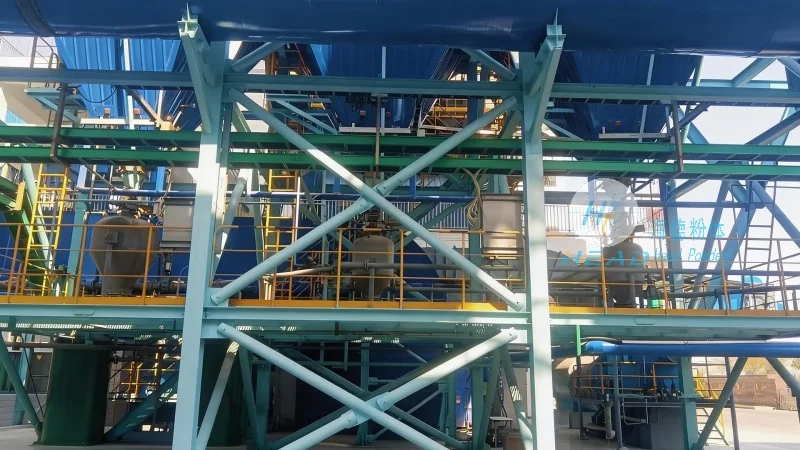
Operational Advantages and Applications
The working principle and features of magnesium silicate powder conveyors contribute to several operational advantages. These machines offer high efficiency in material transport, reducing the time and labor required for manual handling. The automated nature of the conveyors also minimizes human error and improves consistency in the delivery of powder to downstream processes. Additionally, the durability of the components ensures long-term reliability, reducing maintenance costs and downtime.
These conveyors are widely used in industries where magnesium silicate powder is a key raw material. In the refractory industry, for example, the conveyors are used to transport magnesium silicate powder to mixers and kilns, ensuring consistent material feed for high-quality refractory products. In the cosmetics industry, the conveyors help in the precise handling of magnesium silicate powder for skincare and beauty products, maintaining product quality and consistency. The construction industry also benefits from these conveyors for handling magnesium silicate-based materials in building projects.
Conclusion
Shandong HeadPowder Engineering Co., Ltd. provides magnesium silicate powder conveyors that combine advanced working principles with essential features to meet the demands of industrial applications. By understanding the working mechanism and key characteristics of these conveyors, users can optimize their material handling processes, enhance operational efficiency, and ensure the quality of magnesium silicate powder. With a focus on durability, efficiency, and safety, HeadPowder's conveyors are a reliable choice for businesses seeking to improve their powder transport systems.