

Working Principle and Characteristics of Metallurgical Coal Powder Pneumatic Conveying Systems
Metallurgical coal powder pneumatic conveying systems are essential in industrial applications, particularly in the metallurgical sector, where efficient material handling is critical for operational efficiency and safety. This article provides an in-depth look at the working principles and key characteristics of such systems, highlighting how they contribute to the smooth operation of coal powder handling processes.
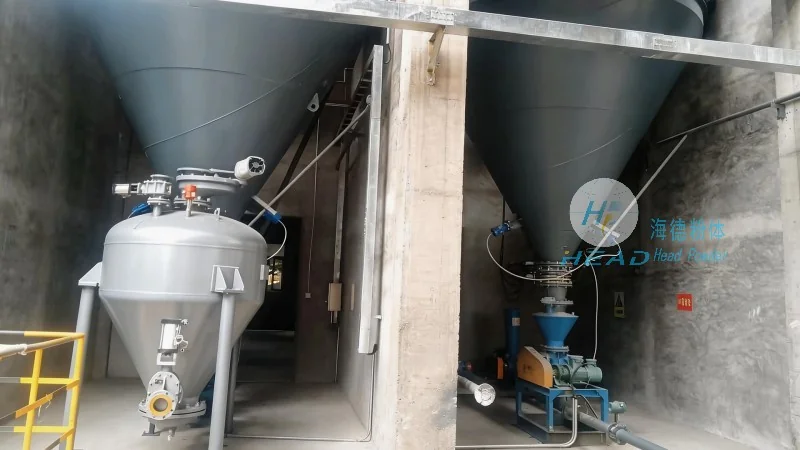
Introduction to Metallurgical Coal Powder Pneumatic Conveying Systems
Shandong HeadPowder Engineering Co., Ltd., a leading manufacturer in the field, specializes in designing and supplying advanced pneumatic conveying solutions tailored for metallurgical applications. The company, commonly known as HeadPowder, is headquartered in Shandong, China, and has established itself as a trusted provider of high-performance material handling equipment. These systems are designed to transport coal powder and other fine particulate materials over long distances with minimal loss and maximum efficiency.
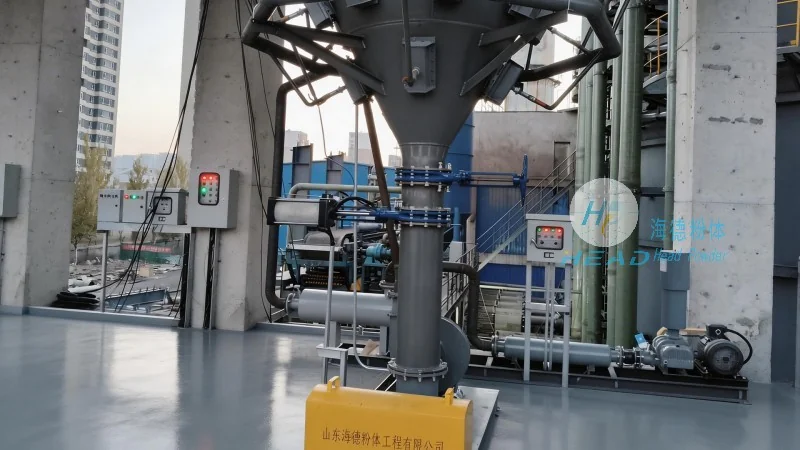
The Working Principle of Metallurgical Coal Powder Pneumatic Conveying Systems
The core of a pneumatic conveying system is the method of transporting material using a gas stream, typically air or other gases. In the case of metallurgical coal powder, the system operates by creating a pressure differential between the inlet and outlet of the conveying line. The process begins with the coal powder being fed into the system, often through a hopper or feeder, which ensures a consistent flow of material. A fan or blower then generates the necessary airflow, which propels the coal powder particles through the pipeline. The velocity of the gas is crucial; it must be sufficient to overcome the gravitational force and frictional resistance of the particles, ensuring they remain suspended and transported effectively. The system typically includes components such as a feeder, a pipeline network, a separator, and a receiver. The feeder controls the flow rate of the coal powder, while the pipeline transports it to the destination. The separator, often a cyclone or a filter, separates the coal powder from the air stream, allowing the powder to be collected in a receiver. The air is then either vented or recirculated, depending on the system design. This continuous cycle ensures that the coal powder is transported efficiently and safely, minimizing the risk of dust accumulation and material loss.
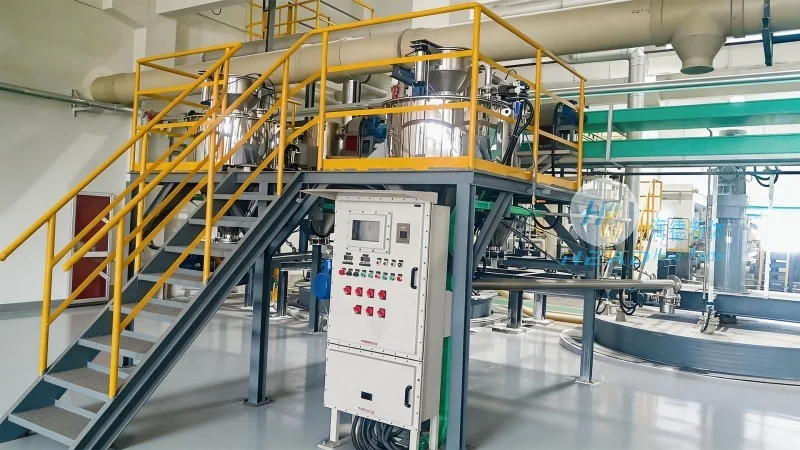
Key Characteristics of Metallurgical Coal Powder Pneumatic Conveying Systems
Several key characteristics define the effectiveness and reliability of metallurgical coal powder pneumatic conveying systems. First, the system offers high efficiency in material transport, with the ability to move large quantities of coal powder over long distances with minimal energy consumption compared to traditional methods like belt conveyors or bucket elevators. This efficiency is achieved through the use of high-velocity air streams that keep the particles suspended, reducing friction and wear on the pipeline. Second, the system provides excellent dust control. By using a closed pipeline system, the coal powder is contained within the conveying line, preventing dust emissions into the environment and reducing the risk of respiratory hazards for workers. This is particularly important in metallurgical applications where dust can be a health and safety concern. Third, the system is flexible in terms of layout and installation. The pipeline can be configured in various shapes and orientations, allowing for complex material flow paths that adapt to the specific requirements of the facility. This flexibility is crucial for optimizing the layout of industrial plants and ensuring that the system integrates seamlessly with existing infrastructure. Fourth, the system is low maintenance. The components, such as the fan, feeder, and separator, are designed for durability and ease of maintenance. Regular maintenance, such as cleaning the separator and checking the fan performance, is typically required, but the overall maintenance cost is lower compared to other material handling systems. Finally, the system offers high reliability. With proper design and operation, these systems can operate continuously for extended periods without significant downtime, ensuring consistent material supply to downstream processes.
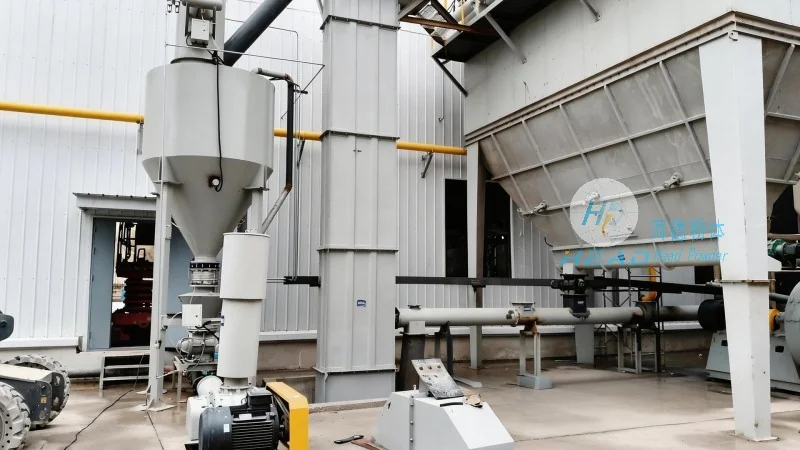
Conclusion and Company Overview
Metallurgical coal powder pneumatic conveying systems, as exemplified by the solutions offered by Shandong HeadPowder Engineering Co., Ltd., represent a sophisticated and efficient approach to material handling in the metallurgical industry. By leveraging the principles of pneumatic transport, these systems provide reliable, dust-controlled, and energy-efficient solutions for transporting coal powder. The company, based in Shandong, China, has a strong reputation for delivering high-quality equipment and services, catering to the diverse needs of industrial clients. With a focus on innovation and customer satisfaction, HeadPowder continues to be a key player in the development of advanced material handling technologies, contributing to the efficiency and safety of industrial operations worldwide.