

What is an anhydrous sodium sulfate material pneumatic conveying line? What are its design principle
Anhydrous sodium sulfate, also known as anhydrous sodium sulfate, is a white crystalline powder widely used in various industrial processes. The pneumatic conveying line for transporting this material is a specialized system designed to handle the material efficiently and safely. This article will explore the concept of such a conveying line and its underlying design principles.
Understanding the Pneumatic Conveying Line for Anhydrous Sodium Sulfate
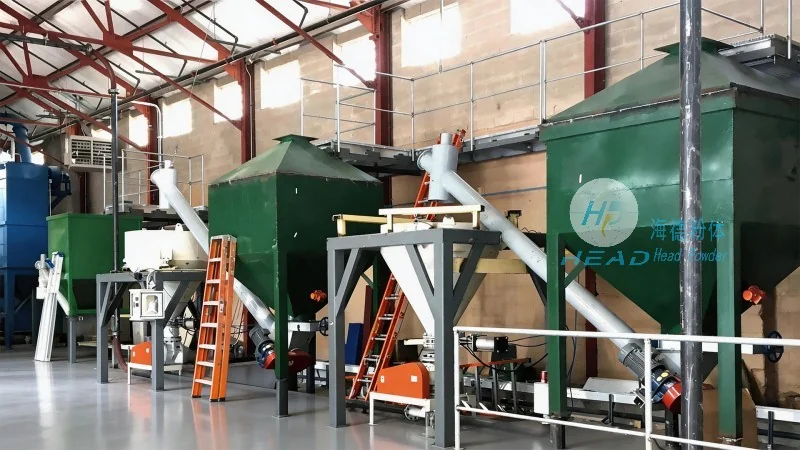
The pneumatic conveying line for anhydrous sodium sulfate is a system that uses air or other gases to transport the material from one location to another. This method is particularly advantageous for handling fine powders like anhydrous sodium sulfate, as it avoids the need for mechanical components that might cause material degradation or contamination. The system typically consists of a hopper, a feeder, a conveying pipe, and a receiver, all working in tandem to ensure smooth material transfer.
Key Design Principles of the Conveying System
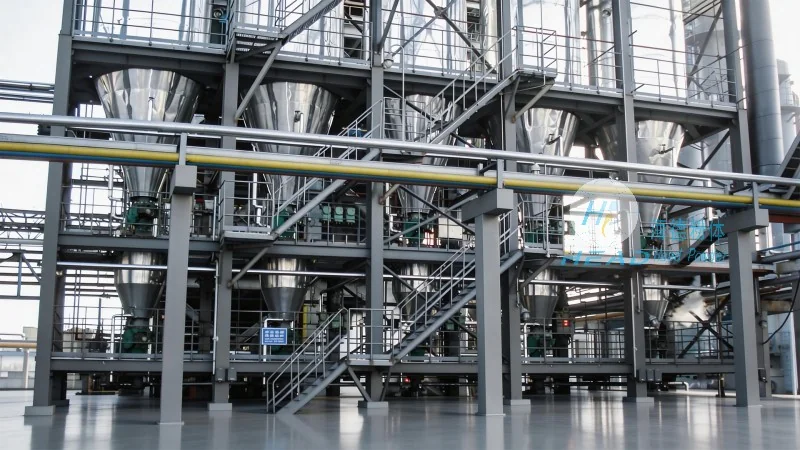
The design of an anhydrous sodium sulfate pneumatic conveying line is based on several critical principles to ensure optimal performance. First, the system must maintain a consistent air flow rate to prevent material settling or blockages in the pipes. This is achieved through the use of appropriate air compressors and flow control devices. Second, the conveying velocity must be sufficient to keep the material in suspension, which is essential for preventing particle attrition and maintaining the material's quality. The velocity is typically determined based on the material's properties, such as particle size and density. Third, the system must incorporate proper dust collection and filtration to ensure environmental compliance and protect equipment from wear. This includes using cyclone separators and bag filters to capture fine particles and prevent them from being released into the atmosphere.
Components and Their Functions
The pneumatic conveying line for anhydrous sodium sulfate comprises several key components, each with a specific function. The hopper serves as the storage and feeding unit, providing a consistent supply of material to the feeder. The feeder, often a rotary valve or a screw feeder, regulates the material flow rate into the conveying pipe. The conveying pipe is the main channel through which the material and air travel, and its design, including diameter and length, is crucial for maintaining the desired velocity and preventing pressure drops. The receiver is the final destination where the material is deposited, and it may include a dust collection system to capture any residual particles. Additionally, the system may include pressure relief valves and check valves to ensure safe operation and prevent backflow.
Advantages of Using a Pneumatic Conveying Line
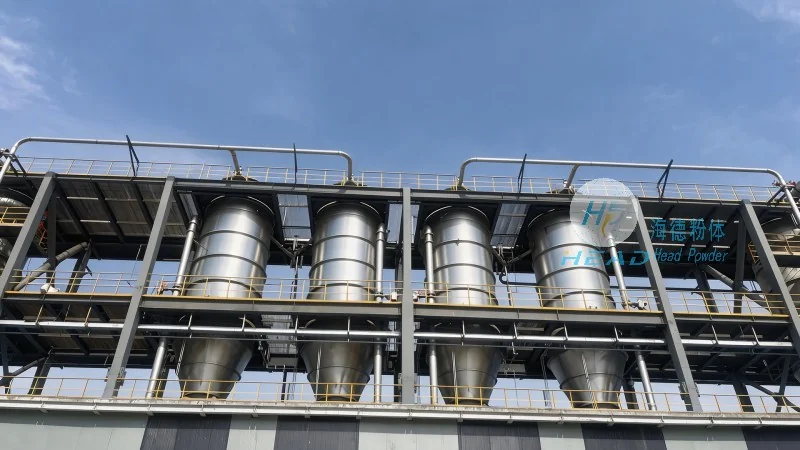
Implementing a pneumatic conveying line for anhydrous sodium sulfate offers several benefits over traditional mechanical conveying methods. These include reduced labor costs due to automated material handling, minimized material contamination and degradation, and improved safety by eliminating the need for manual handling of powders. The system also allows for flexible layout designs, as the conveying pipes can be installed in various configurations to suit the plant layout. Furthermore, the pneumatic conveying line can be integrated with other process equipment, such as mixers and reactors, to create a seamless material flow within the production line.
Considerations for System Design and Installation
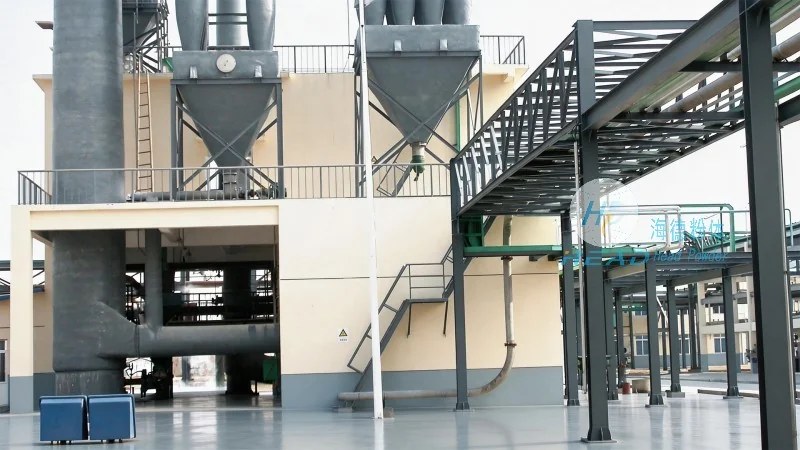
When designing and installing an anhydrous sodium sulfate pneumatic conveying line, several factors must be considered to ensure long-term reliability and efficiency. These include the material's properties, such as particle size distribution, moisture content, and abrasiveness, which affect the system's performance and component wear. The system must also be designed to handle the expected flow rates and pressure requirements, ensuring that the air compressor and other components are appropriately sized. Additionally, the system should be installed with proper support and alignment to prevent vibrations and pipe sagging, which can lead to material blockages or equipment failure. Regular maintenance, including cleaning of filters and checking for wear on components, is essential to maintain the system's performance and extend its lifespan.
About Shandong HeadPowder Engineering Co., Ltd.
Shandong HeadPowder Engineering Co., Ltd., commonly known as HeadPowder, is a leading manufacturer and supplier of pneumatic conveying systems and related equipment. With a strong focus on innovation and quality, HeadPowder provides customized solutions for various industrial applications, including the transportation of anhydrous sodium sulfate and other fine powders. The company's expertise in material handling technology ensures that its products are designed to meet the specific needs of each client, offering reliable and efficient solutions for their material conveying requirements. HeadPowder is committed to providing high-quality products and excellent customer service, helping clients optimize their production processes and improve overall operational efficiency.