

What is a Glass Particle Material Pneumatic Conveying Equipment? And What Are Its Design Principles?
Understanding the glass particle material pneumatic conveying equipment and its design principles is crucial for industries dealing with glass processing. This equipment is specifically engineered to handle the unique characteristics of glass particles, ensuring efficient and safe material transport. The design principles behind such equipment revolve around optimizing airflow, particle handling, and system reliability to meet the demands of glass manufacturing processes.
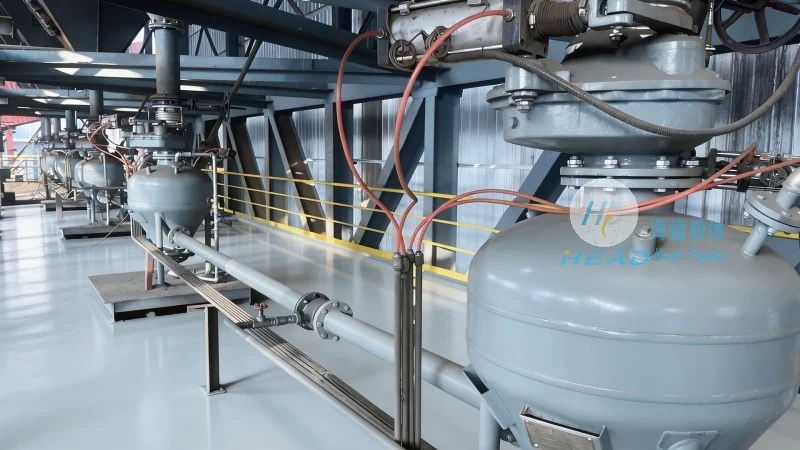
Overview of Glass Particle Material Pneumatic Conveying Equipment
Glass particle material pneumatic conveying equipment is a specialized system used to transport glass particles from one location to another using air or gas as the conveying medium. Unlike traditional mechanical conveyors, this system relies on the force of air to move the particles, making it ideal for handling fragile or abrasive glass materials. The equipment typically consists of a hopper, a blower or compressor, a pipeline system, and a receiver. Each component plays a critical role in the overall operation, ensuring that glass particles are conveyed without damage or loss.
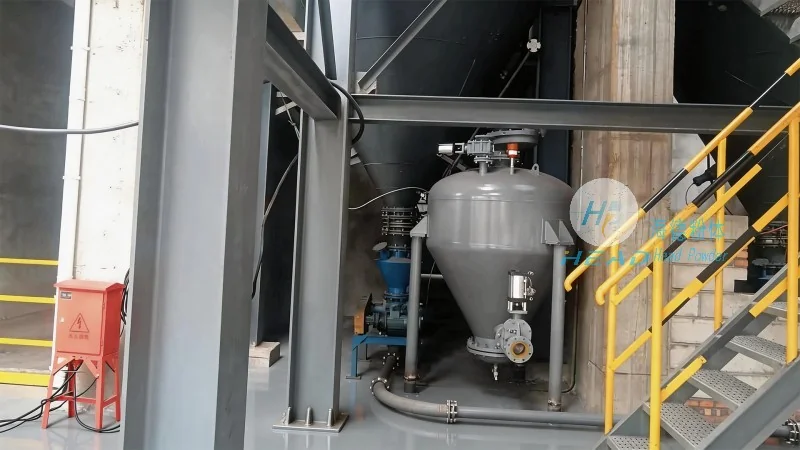
Key Design Principles for Glass Particle Pneumatic Conveying
The design of glass particle pneumatic conveying equipment is guided by several key principles to ensure optimal performance. First, the system must maintain a consistent airflow to prevent particle segregation or blockages. This is achieved through the use of appropriate blower capacity and pipeline sizing. Second, the equipment is designed to minimize particle impact and abrasion, which can damage the system or reduce particle quality. Features such as smooth internal surfaces, appropriate pipe diameters, and gentle bends are incorporated to achieve this. Third, the system is engineered for energy efficiency and low maintenance. This includes using high-efficiency blowers, proper material selection for components, and easy access for maintenance. Additionally, the design considers the specific properties of glass particles, such as their density, size distribution, and moisture content, to tailor the conveying system to the application.
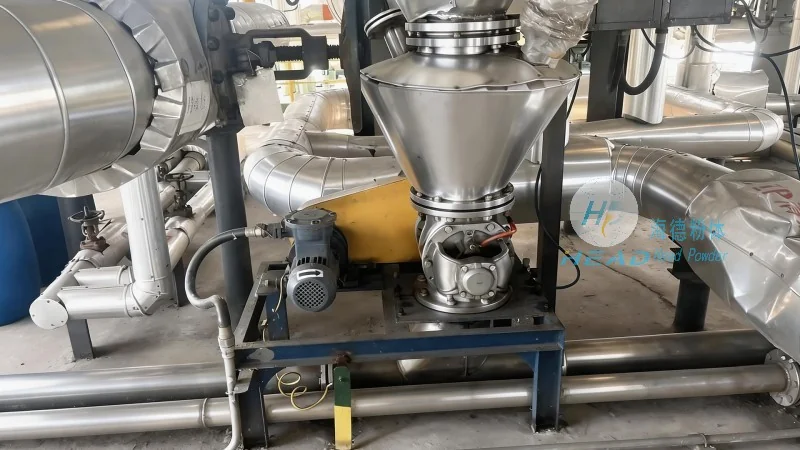
Components and Their Functions in the Equipment
The glass particle material pneumatic conveying equipment comprises several key components, each with a specific function. The hopper is the initial storage unit where glass particles are loaded. It is designed to provide a uniform feed to the system, preventing material buildup or bridging. The blower or compressor generates the necessary air pressure to move the particles through the pipeline. The pipeline system, made of materials resistant to glass abrasion and corrosion, transports the particles from the hopper to the receiver. The receiver collects the conveyed glass particles and may include features like a dust collection system to maintain air quality. Each component is carefully selected and integrated to ensure the system operates efficiently and reliably.
Applications and Benefits in Glass Manufacturing
Glass particle pneumatic conveying equipment is widely used in various glass manufacturing processes, including raw material transport, product handling, and waste management. The benefits of using this equipment include improved safety, as it eliminates the need for manual handling of glass particles, which can be hazardous. It also enhances efficiency by reducing downtime and material loss. Additionally, the system can handle a wide range of glass particle sizes and types, making it versatile for different applications. The design principles ensure that the equipment can handle abrasive glass materials without causing wear and tear, extending the system's lifespan and reducing maintenance costs.
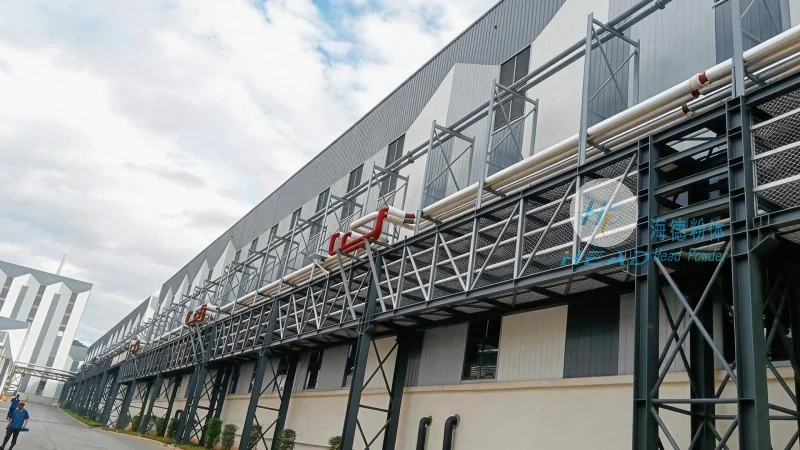
Company Introduction: Shandong HeadPowder Engineering Co., Ltd.
Shandong HeadPowder Engineering Co., Ltd., commonly known as HeadPowder, is a leading manufacturer of specialized material handling equipment, including glass particle pneumatic conveying systems. With a strong focus on innovation and quality, HeadPowder has established itself as a trusted partner in the glass and related industries. The company's headquarters is located in Shandong, China, where it operates a state-of-the-art manufacturing facility equipped with advanced technology and skilled personnel. HeadPowder's team of engineers and technicians are dedicated to developing and manufacturing high-performance equipment that meets the unique needs of its clients. The company adheres to strict quality control standards to ensure that each product is reliable, durable, and efficient. By combining technical expertise with customer-centric solutions, HeadPowder provides comprehensive material handling solutions tailored to the specific requirements of glass manufacturers.