

What is a Glucose Powder Material Pneumatic Conveying Equipment? And What Are Its Design Principles?
Glucose powder, a critical raw material in the food and pharmaceutical sectors, demands efficient and hygienic handling during transportation. Pneumatic conveying equipment has become a trusted solution for moving such powders, ensuring minimal contamination and preserving product quality. This article examines the concept of a glucose powder material pneumatic conveying system and explores its fundamental design principles.
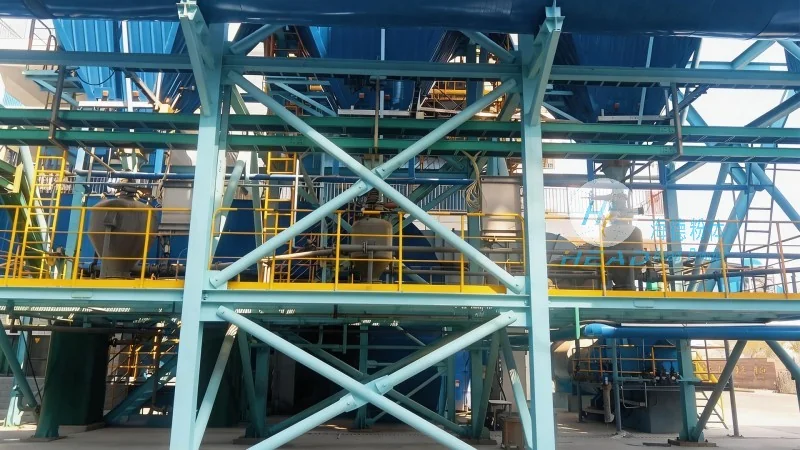
Understanding Pneumatic Conveying for Glucose Powder
Pneumatic conveying, also known as pneumatic transport, involves moving bulk materials like glucose powder through a pipeline using compressed air or other gases. Unlike traditional mechanical systems that rely on belts, screws, or buckets, pneumatic systems utilize air pressure to transport materials. This approach offers advantages such as reduced risk of product contamination, lower maintenance costs, and the ability to handle fine powders without clogging. For glucose powder, which is often sensitive to moisture and temperature changes, a well-designed pneumatic system is essential to maintain its quality and integrity.
The Core Components of a Glucose Powder Pneumatic Conveying System
A typical glucose powder pneumatic conveying system comprises several key components that operate in unison to ensure efficient material transport. These components include the hopper or feeder, which stores and feeds the glucose powder into the system; the conveying line, which is the main pipeline for material travel; the air compressor or blower, which provides the necessary air pressure; and the receiver or discharge unit, where the material is collected. Each component plays a critical role, and their design must be optimized for the specific characteristics of glucose powder.
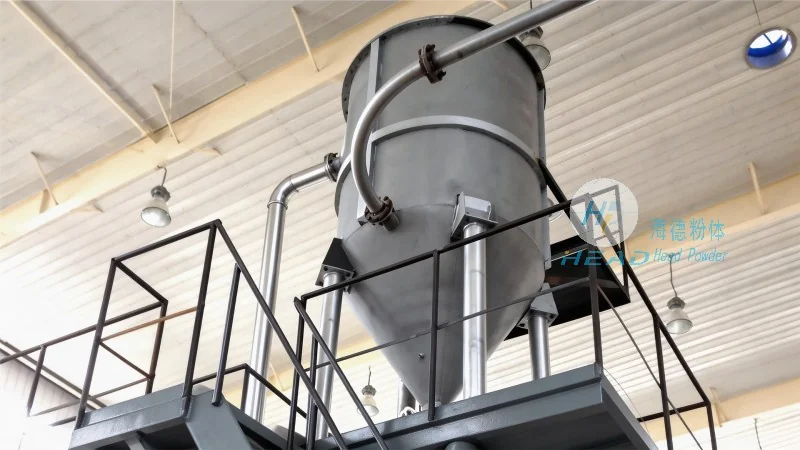
Design Principles for Efficient Glucose Powder Conveying
The design of a glucose powder pneumatic conveying system follows several key principles to ensure optimal performance and reliability. First, the system must accommodate the specific flow properties of glucose powder, such as bulk density, particle size distribution, and moisture content. These factors dictate the air velocity required and the pressure drop across the system. Second, the system should minimize product degradation, which can occur due to friction, temperature shifts, or air exposure. This is achieved through the use of smooth, corrosion-resistant materials and proper insulation to maintain consistent temperatures. Third, the system must be easy to clean and maintain, as hygiene is paramount in food and pharmaceutical industries. The design should include features like CIP (Clean-In-Place) systems and easy-to-access components for regular cleaning and inspection.
Advantages of Using Pneumatic Conveying for Glucose Powder
Implementing a pneumatic conveying system for glucose powder offers numerous benefits that enhance operational efficiency and product quality. One primary advantage is the ability to transport materials in a closed system, preventing contamination from external sources and reducing dust emissions. This is vital for glucose powder, often used in sensitive applications where purity is critical. Additionally, pneumatic systems can handle fine powders without clogging, as air pressure keeps the material in suspension. This reduces downtime and maintenance costs compared to mechanical systems that may require frequent cleaning or component replacement. Furthermore, the flexibility of pneumatic conveying allows easy integration with existing production lines, enabling seamless material transfer between manufacturing stages.
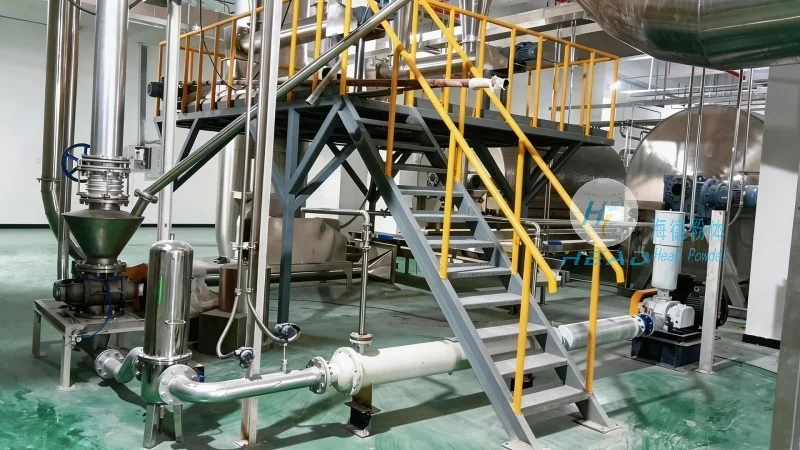
Applications of Glucose Powder Pneumatic Conveying Systems
Glucose powder pneumatic conveying systems are widely used across industries, including food processing, pharmaceutical manufacturing, and chemical production. In the food industry, these systems are commonly employed in glucose syrup, sweetener, and other food product production, where consistent and hygienic material handling is essential. In the pharmaceutical sector, they are used to transport glucose powders for oral medications, injectables, and other healthcare products, where strict regulatory compliance is mandatory. The ability of pneumatic systems to maintain product purity and integrity makes them ideal for these applications, ensuring final products meet high quality and safety standards.
Conclusion
In summary, a glucose powder material pneumatic conveying equipment is a sophisticated system designed to efficiently and safely transport glucose powder in industrial settings. Its design principles, focusing on material properties, hygiene, and operational efficiency, ensure it meets the demands of the food and pharmaceutical industries. By leveraging pneumatic conveying advantages like closed system transport and minimal contamination risk, manufacturers can enhance production processes and maintain product quality. As a leading provider in this field, Shandong HeadPowder Engineering Co., Ltd. specializes in designing and manufacturing customized pneumatic conveying solutions tailored to glucose powder handling needs, ensuring optimal performance and reliability for clients.