

What is the pneumatic conveying of starch materials? What are the design principles?
Pneumatic conveying is a widely used method for transporting bulk materials like starch through a pipeline using air or gas as the conveying medium. This technique is particularly relevant for starch materials due to their specific physical and chemical properties, which influence the choice of conveying system and design approach. Understanding the fundamentals of starch material pneumatic conveying is crucial for ensuring efficient, reliable, and cost-effective material handling in industrial applications.
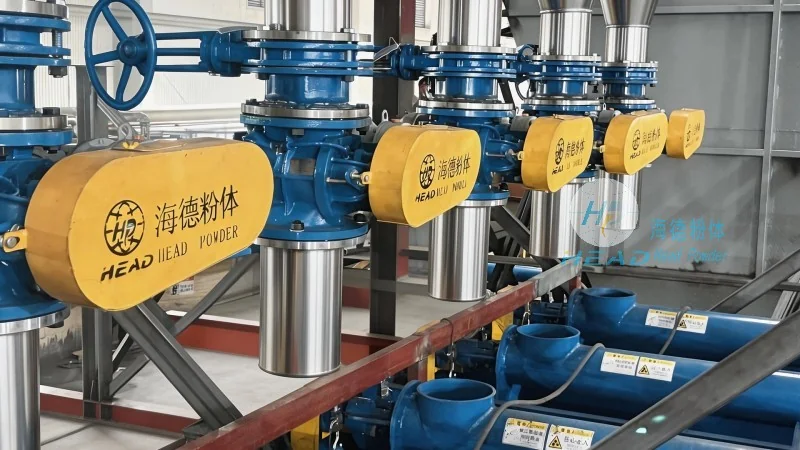
Key Characteristics of Starch Materials and Their Impact on Conveying Design
Starch materials, such as corn starch, wheat starch, or tapioca starch, exhibit distinct characteristics that affect their handling in pneumatic systems. These include particle size distribution, moisture content, bulk density, and flowability. For instance, fine starch powders are prone to bridging and caking, while larger granules may cause blockages in smaller diameter pipes. The moisture content also plays a critical role, as higher moisture levels can lead to increased stickiness and reduced air flow efficiency. Designers must consider these factors to select appropriate system configurations, such as positive pressure or negative pressure systems, and to optimize parameters like air velocity and pressure.
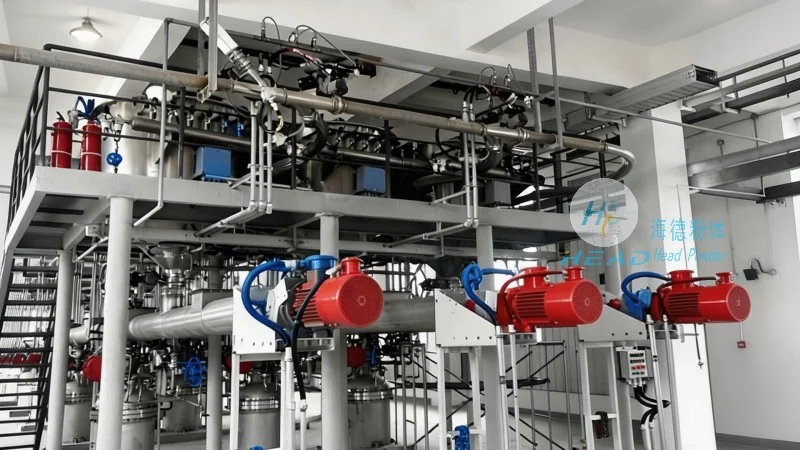
Core Design Principles for Starch Material Pneumatic Conveying Systems
The design of a starch material pneumatic conveying system is guided by several key principles aimed at maximizing efficiency and minimizing operational issues. One fundamental principle is the selection of the correct conveying method based on the material's properties and the required distance. Positive pressure systems, where air is blown into the material to push it forward, are often preferred for starch materials due to their ability to handle fine powders and prevent clogging. These systems typically use a blower or compressor to generate the necessary pressure, with the air velocity maintained at levels that prevent particle deposition on pipe walls.
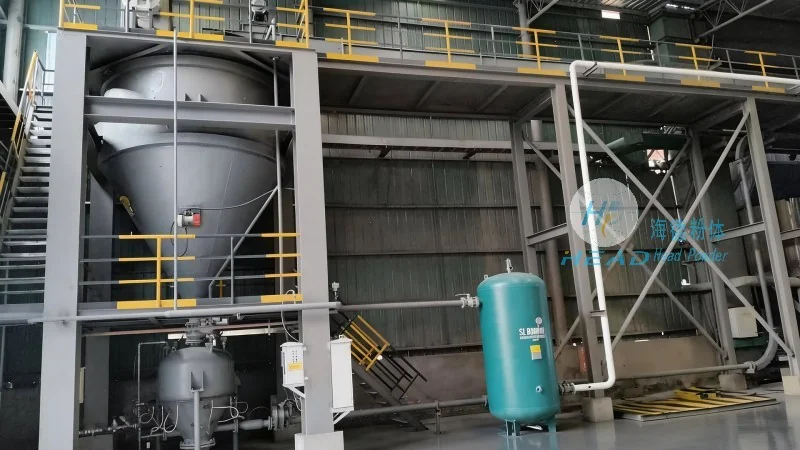
System Components and Their Role in Effective Starch Material Handling
A typical starch material pneumatic conveying system consists of several key components, each playing a vital role in the overall operation. The feed hopper is responsible for storing and feeding the starch material into the system, ensuring a consistent flow rate. The feeder, often a rotary valve or a screw feeder, controls the amount of material entering the pipeline, preventing overloading and maintaining stable operation. The air source, usually a blower or a compressor, provides the necessary air pressure and volume to move the material through the pipeline.
Design Considerations for Optimal Performance and Efficiency
Several design considerations are essential to ensure the long-term performance and efficiency of a starch material pneumatic conveying system. One important factor is the control of air velocity. The air velocity must be high enough to keep the material in suspension but not so high as to cause excessive wear on the pipeline or equipment. Proper air velocity ensures that the starch particles remain airborne and do not settle on the pipe walls, which can lead to blockages and reduced system efficiency.
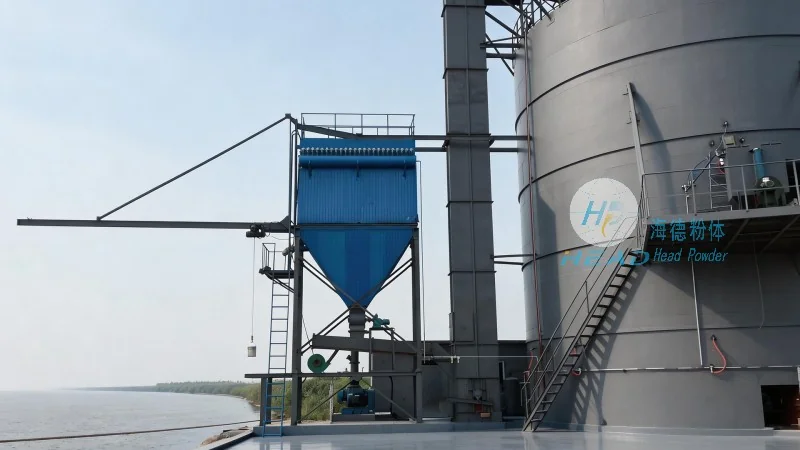
The Role of HeadPowder in Providing Specialized Solutions for Starch Material Conveying
Shandong HeadPowder Engineering Co., Ltd., a leading provider of bulk material handling solutions, specializes in designing and manufacturing pneumatic conveying systems tailored to the unique needs of starch material applications. With years of experience in the industry, HeadPowder understands the challenges associated with handling starch materials and has developed innovative solutions to address these issues. The company's team of engineers uses advanced design software and extensive knowledge of material properties to create customized systems that meet the specific requirements of each client.