

What is a Multi-functional Powder Pneumatic Conveying Machine? And What Are Its Design Principles?
Multi-functional powder pneumatic conveying machines represent a sophisticated solution in material handling technology, designed to efficiently transport dry powders and granular materials over various distances and within diverse industrial settings. These systems leverage the principles of pneumatic transport, where air or gas is used to move bulk materials through pipelines, offering advantages such as reduced equipment wear, minimal product contamination, and the ability to handle materials that are difficult to convey mechanically. Understanding the functionality and design principles of such machines is crucial for industries ranging from pharmaceuticals and food processing to chemical manufacturing and mining.
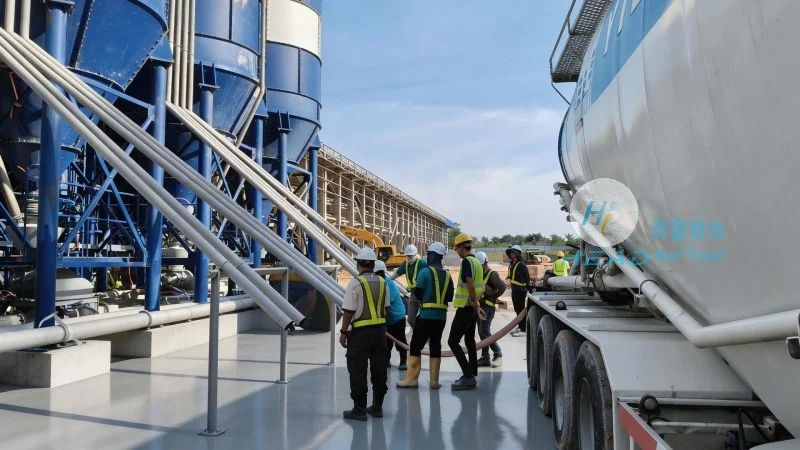
Introducing HeadPowder: A Leader in Pneumatic Conveying Solutions
At Shandong HeadPowder Engineering Co., Ltd., we specialize in the research, development, and manufacturing of advanced pneumatic conveying equipment. Our company, based in Shandong, China, has established itself as a trusted provider of high-quality, reliable, and efficient solutions tailored to meet the specific needs of our clients. With a strong commitment to innovation and customer satisfaction, HeadPowder has become a key player in the global market for powder handling systems.
Core Components and Operational Principles of Multi-functional Powder Pneumatic Conveying Machines
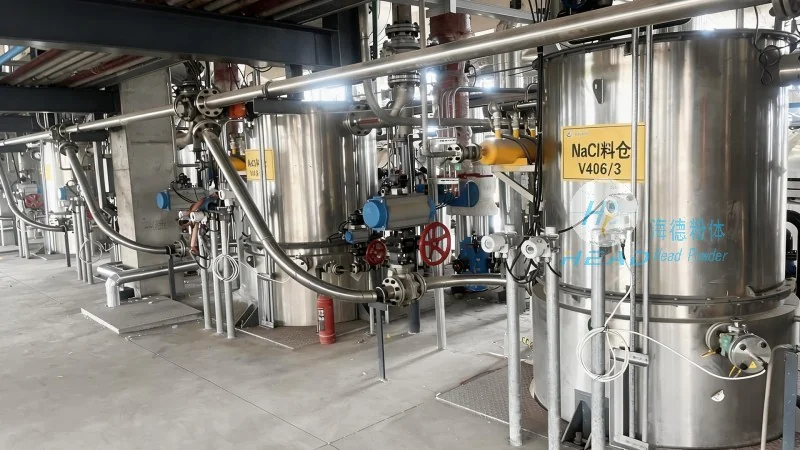
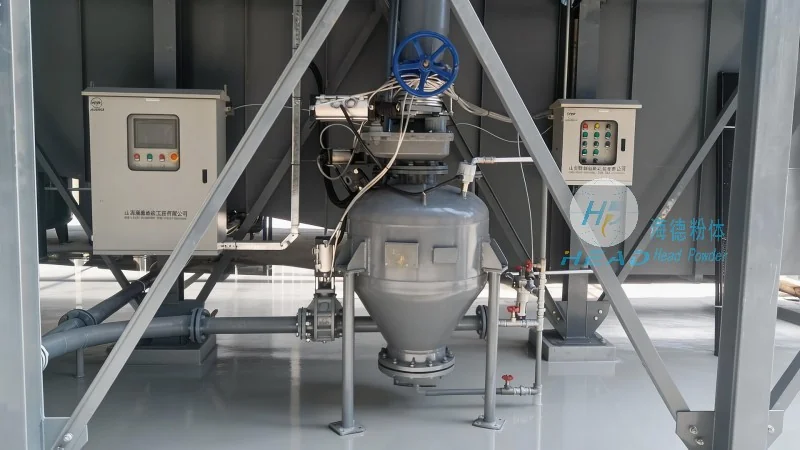
The design of a multi-functional powder pneumatic conveying machine typically involves several critical components that work in concert to achieve effective material transport. The primary elements include a feeding system, a conveying line (often equipped with valves and fittings), a control system, and a discharge mechanism. The feeding system is responsible for introducing the powder into the conveying line, ensuring a consistent and controlled flow. This may involve hoppers, rotary valves, or other feeding devices that prevent material bridging and maintain a steady supply.
The conveying line itself is a network of pipes that may vary in diameter and length, depending on the distance and material characteristics. The design of the pipeline is crucial for minimizing pressure drop and ensuring efficient air flow. Within the line, components like bends, elbows, and straight sections are strategically placed to maintain the material's suspension and prevent clogging. The control system, often integrated with sensors and automation, regulates the air pressure, flow rate, and material feed rate, allowing for precise control over the conveying process. This system can adapt to changes in material properties or operational conditions, ensuring optimal performance.
Design Principles Underpinning Efficient Pneumatic Transport
Several key design principles guide the development of multi-functional powder pneumatic conveying machines. The first is the selection of the appropriate conveying method, which can be categorized as dilute phase or dense phase. Dilute phase systems use higher air velocities to keep the material suspended, suitable for short to medium distances and low to medium material loads. Dense phase systems, on the other hand, use lower air velocities and higher material concentrations, ideal for longer distances and bulk material transport. The choice between these methods depends on factors such as the material's density, flowability, and the required conveying distance.
Another critical principle is the consideration of pressure drop. The pressure required to move the material through the pipeline is a function of the material's properties, pipeline length, diameter, and the type of conveying system. Engineers must calculate the pressure drop accurately to ensure that the system operates within its design limits and to avoid excessive energy consumption. This involves selecting appropriate pipe materials and diameters, as well as optimizing the layout of the conveying line to minimize bends and other obstructions.
The design also incorporates considerations for material compatibility and system safety. The materials used for the conveying line, such as stainless steel or special alloys, must be resistant to corrosion and wear from the powder being transported. Additionally, safety features like pressure relief valves and emergency shut-off mechanisms are integrated to protect both the equipment and personnel from potential hazards. The control system is designed to monitor parameters such as pressure, temperature, and flow, providing real-time feedback and allowing for immediate intervention if any abnormal conditions arise.
Advantages and Applications of Multi-functional Powder Pneumatic Conveying Machines
Multi-functional powder pneumatic conveying machines offer numerous advantages over traditional mechanical conveying methods. These include reduced product contamination, as the material is not in direct contact with metal or other surfaces, and lower maintenance requirements due to fewer moving parts. The systems are also highly flexible, capable of transporting materials over varying distances and in different directions, making them suitable for complex production layouts. Furthermore, they can handle a wide range of materials, from fine powders to coarse granules, and can be integrated with other processing equipment, such as mixers, classifiers, and packaging machines.
In industrial applications, these machines are used in various sectors. In the pharmaceutical industry, they are employed to transport active pharmaceutical ingredients (APIs) and excipients with strict purity requirements, ensuring that the materials remain uncontaminated and meet regulatory standards. In the food processing industry, they handle ingredients like flour, sugar, and spices, maintaining hygiene and preventing cross-contamination. In chemical manufacturing, they transport raw materials and intermediates, supporting continuous production processes. The mining and mineral processing industries also utilize these systems to move bulk materials like ores and powders from processing plants to storage or further treatment facilities.
Conclusion: The Role of HeadPowder in Advancing Pneumatic Conveying Technology
Multi-functional powder pneumatic conveying machines are essential equipment in modern industrial operations, offering efficient, reliable, and flexible solutions for material handling. The design principles and components of these systems are carefully engineered to meet the demands of various industries, ensuring optimal performance and safety. As a leading manufacturer, Shandong HeadPowder Engineering Co., Ltd. continues to innovate and provide high-quality pneumatic conveying solutions that enhance productivity and operational efficiency for our clients worldwide. By understanding the design and functionality of these machines, industries can make informed decisions to improve their material handling processes and achieve greater success in their respective fields.