

What is a Powdered Electrolyte Powder Pneumatic Conveying Line? What are its Design Principles?
This article provides an overview of the powdered electrolyte powder pneumatic conveying line, a critical equipment used in material handling and processing industries. The line is designed to transport fine powders, such as those used in electrolyte production, with efficiency and precision. Understanding its design principles is essential for optimizing material flow and ensuring operational reliability.
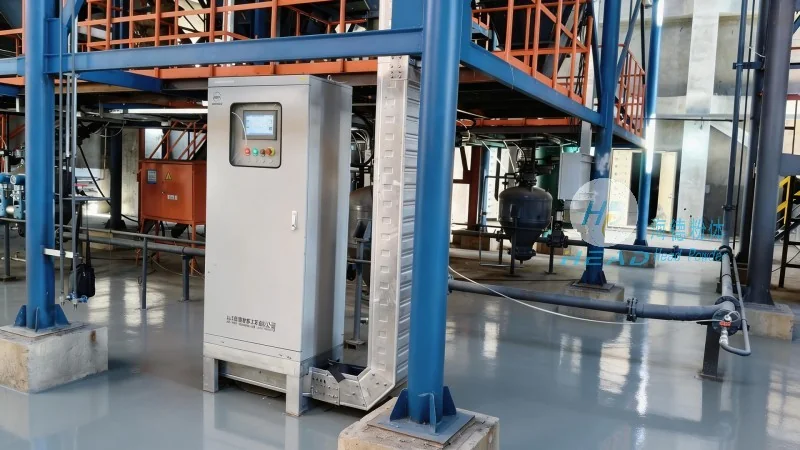
What is a Powdered Electrolyte Powder Pneumatic Conveying Line?
A powdered electrolyte powder pneumatic conveying line is a system that uses air or gas to transport dry powders, including electrolyte powders, from one location to another. Unlike traditional mechanical conveyors, this system relies on the pressure or vacuum created by the air flow to move the material. The line typically consists of several key components, including a hopper for material storage, a conveyor line (either positive or negative pressure), and a receiver for the discharged material. The system is designed to handle fine, abrasive, or sensitive powders, making it ideal for applications in the chemical, battery, and pharmaceutical industries.
Key Components of the Pneumatic Conveying Line
The effectiveness of a powdered electrolyte powder pneumatic conveying line depends on its well-designed components. The primary components include:
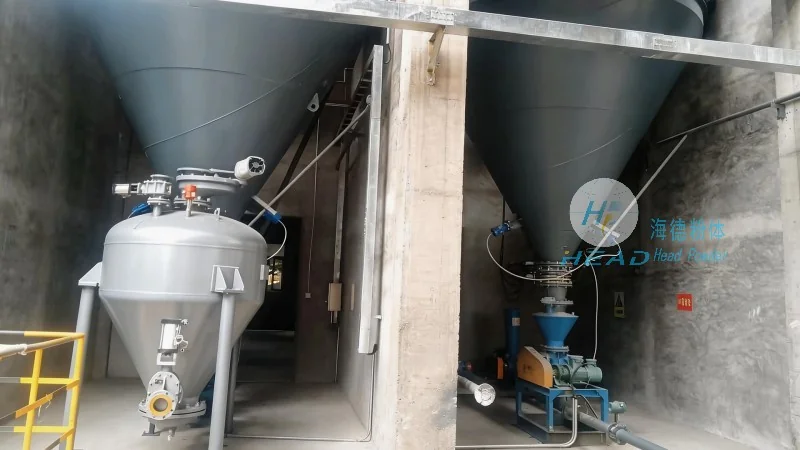
- Hopper: A container that stores the electrolyte powder, ensuring a consistent feed to the conveying system. It is often equipped with a feeder, such as a rotary valve or a star feeder, to control the material flow rate.
- Conveying Pipe: The main pipeline through which the air and powder mixture travels. The pipe is usually made of stainless steel or other corrosion-resistant materials to handle the electrolyte powder, which may be acidic or alkaline.
- Feeder: A device that meters the powder into the conveying line, maintaining a stable flow. This component is crucial for preventing blockages and ensuring smooth operation.
- Receiver: A container that collects the discharged powder at the end of the conveying line. It is designed to prevent dust emissions and ensure the material is stored properly.
- Filter and Blower: In a negative pressure system, a filter captures the powder particles from the air, while a blower provides the necessary suction to move the material. In a positive pressure system, a blower supplies the air pressure to push the powder through the line.
Design Principles for Efficient Operation
The design principles of a powdered electrolyte powder pneumatic conveying line focus on maximizing efficiency, minimizing material loss, and ensuring safety. Several key principles are applied during the design process:
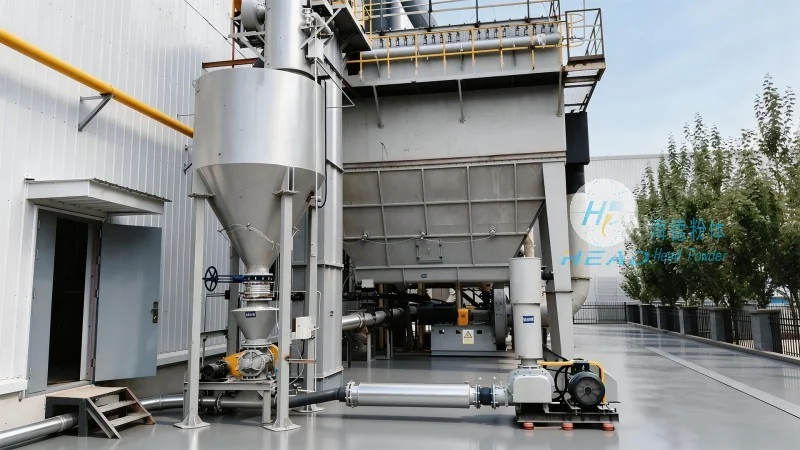
- Flow Rate and Velocity: The velocity of the air in the conveying pipe must be sufficient to prevent the powder from settling or caking. The flow rate is carefully calculated based on the powder's properties, such as particle size, density, and moisture content.
- Pressure and Vacuum Control: The system operates under either positive pressure (where air pushes the powder) or negative pressure (where air pulls the powder). The pressure or vacuum level is adjusted to maintain the desired flow rate and prevent material degradation.
- Material Compatibility: The components of the conveying line are selected to be compatible with the electrolyte powder. For example, stainless steel is commonly used for its resistance to corrosion from acidic or alkaline electrolytes.
- Prevention of Blockages: The design includes features to prevent blockages, such as the use of flexible hoses, regular cleaning procedures, and the incorporation of air knives or venturi sections to break up any agglomerates.
Applications in the Electrolyte Industry
Powdered electrolyte powder pneumatic conveying lines are widely used in the production of lithium-ion batteries, lead-acid batteries, and other electrochemical cells. The system efficiently transports the electrolyte powder from storage to processing equipment, such as mixers, extruders, or coating machines. This ensures a consistent supply of material, which is critical for maintaining product quality and production efficiency.
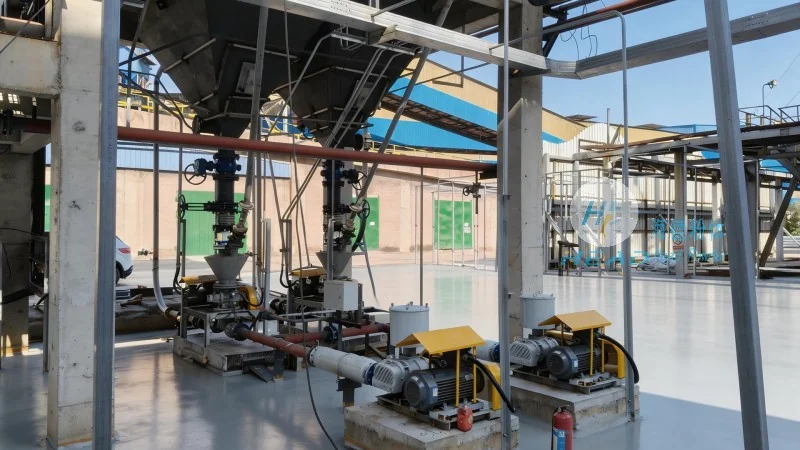
Advantages of Using a Pneumatic Conveying Line
Compared to traditional mechanical conveyors, a powdered electrolyte powder pneumatic conveying line offers several advantages:
- Reduced Material Loss: The enclosed system minimizes dust and material loss during transport.
- Flexibility in Layout: The line can be easily reconfigured to accommodate changes in production processes or facility layout.
- Lower Maintenance: The system has fewer moving parts compared to mechanical conveyors, reducing maintenance requirements and downtime.
- Improved Safety: The enclosed design prevents dust exposure and reduces the risk of fire or explosion, especially when handling flammable electrolyte powders.
Conclusion
A powdered electrolyte powder pneumatic conveying line is a sophisticated system designed to efficiently transport fine electrolyte powders in industrial applications. By understanding its key components and design principles, manufacturers can optimize their material handling processes, improve product quality, and enhance operational safety. The system's flexibility and efficiency make it a preferred choice in the battery and chemical industries, where reliable and consistent material transport is essential.