

What is a High-Alumina Fly Ash Powder Pneumatic Conveying System? And What Are Its Design Principles
High-alumina fly ash, a byproduct of coal combustion, is widely used in construction and industrial applications due to its excellent properties. The efficient transportation of this fine powder is crucial for industrial processes, and the high-alumina fly ash powder pneumatic conveying system is a specialized solution designed to handle such materials. This article explores the concept of this system and its underlying design principles, providing a comprehensive overview for those interested in understanding its functionality and application.
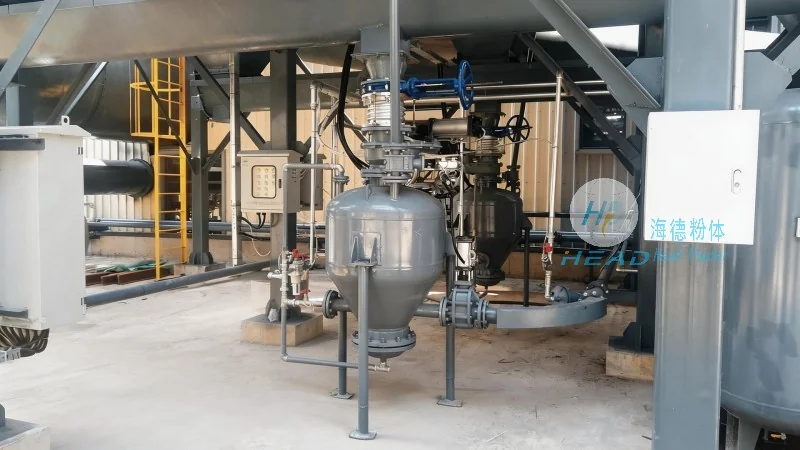
Introduction to High-Alumina Fly Ash Powder Pneumatic Conveying Systems
High-alumina fly ash, often referred to as FA, is a fine particulate material produced during the combustion of coal in thermal power plants. It contains a significant amount of aluminum oxide and other minerals, making it valuable for applications such as cement production, concrete additives, and refractory materials. The traditional methods of transporting fly ash, like belt conveyors or trucks, can be inefficient and pose challenges due to the material's dustiness and potential for caking. Pneumatic conveying systems offer a more effective solution by using air to transport the powder through pipelines, reducing dust emissions and improving process efficiency.
Key Components of a High-Alumina Fly Ash Pneumatic Conveying System
The high-alumina fly ash powder pneumatic conveying system consists of several key components that work together to ensure reliable and efficient material transport. These components include the material feed hopper, the air compressor or blower, the conveying pipeline, the control system, and the discharge unit. The material feed hopper is designed to store and feed the fly ash powder into the system at a controlled rate, preventing blockages and ensuring a steady flow. The air compressor or blower generates the necessary air pressure to move the powder through the pipeline. The conveying pipeline is typically made of corrosion-resistant materials like stainless steel or plastic to handle the abrasive nature of the fly ash. The control system monitors and regulates the air pressure, flow rate, and material feed, ensuring optimal operation. The discharge unit collects the fly ash at the destination point, such as a silo or processing plant, and can be equipped with dust collection systems to minimize environmental impact.
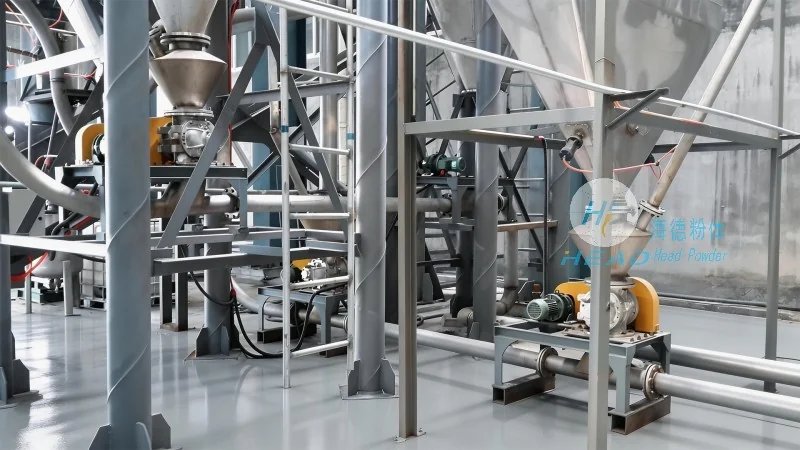
Design Principles for High-Alumina Fly Ash Pneumatic Conveying Systems
The design of a high-alumina fly ash powder pneumatic conveying system is based on several fundamental principles to ensure its effectiveness and reliability. The first principle is the selection of the appropriate air velocity and pressure. The air velocity must be high enough to overcome the frictional resistance of the pipeline and lift the powder particles, but not so high as to cause excessive wear or energy consumption. The pressure is typically maintained between 0.5 to 2 bar, depending on the system's length and the material's properties. The second principle is the proper sizing of the pipeline and components. The pipeline diameter is determined based on the material flow rate and air velocity, ensuring that the system can handle the required throughput without excessive pressure drop. The components, such as the feed hopper and discharge unit, are designed to minimize material accumulation and prevent clogging, which is critical for high-alumina fly ash due to its tendency to stick to surfaces. The third principle is the integration of dust control measures. High-alumina fly ash is a fine powder that can generate significant dust during transport. The system incorporates dust collection systems, such as cyclones or bag filters, to capture and remove the dust, ensuring compliance with environmental regulations and maintaining a safe working environment.
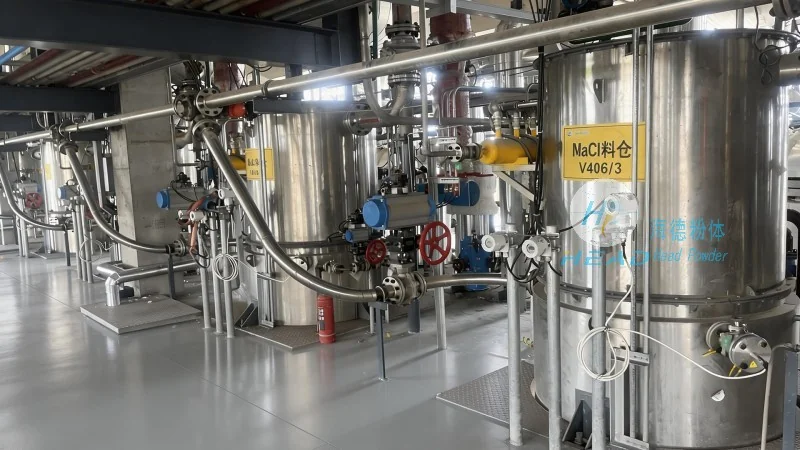
Advantages of Using High-Alumina Fly Ash Pneumatic Conveying Systems
Implementing a high-alumina fly ash powder pneumatic conveying system offers several advantages over traditional transportation methods. First, it significantly reduces dust emissions, improving air quality and worker safety. The enclosed system prevents the fly ash from being released into the environment, minimizing the risk of respiratory issues and other health problems. Second, it enhances process efficiency by eliminating the need for manual handling and reducing the time required for material transport. The system can operate continuously, ensuring a steady supply of fly ash to the processing plant. Third, it improves material quality by preventing contamination and caking. The enclosed pipeline and controlled environment maintain the purity of the fly ash, which is crucial for applications where the material's properties are critical. Fourth, it reduces energy consumption compared to other methods like truck transport, as the system uses compressed air efficiently to move the material. Overall, the high-alumina fly ash powder pneumatic conveying system provides a cost-effective and environmentally friendly solution for transporting this valuable material.
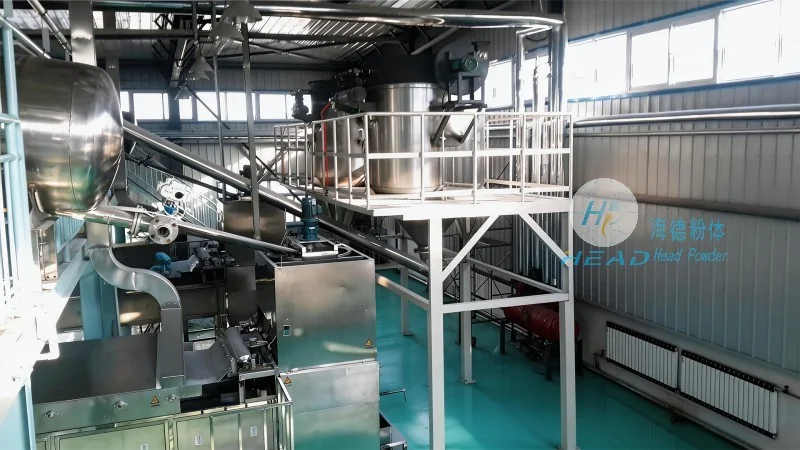
Applications of High-Alumina Fly Ash Pneumatic Conveying Systems
High-alumina fly ash powder pneumatic conveying systems are widely used in various industrial applications where the efficient transport of fine powders is essential. In the cement industry, the system is used to transport fly ash from storage silos to the cement production line, where it is mixed with clinker to improve the cement's strength and durability. In the concrete industry, the system delivers fly ash to concrete mixing plants, where it is used as a supplementary cementitious material to reduce the amount of Portland cement and enhance the concrete's performance. In the refractory industry, the system transports fly ash to refractory material production facilities, where it is used as a raw material for making high-temperature refractory bricks and other products. Additionally, the system is used in other industries such as glass manufacturing, where fly ash is used as a raw material for glass production, and in the production of building materials like lightweight aggregates and insulation products. The versatility of the high-alumina fly ash powder pneumatic conveying system makes it suitable for a wide range of applications, ensuring that the material is delivered efficiently and reliably to its intended destination.
Conclusion
High-alumina fly ash powder pneumatic conveying systems are an essential technology for the efficient and safe transportation of this valuable industrial material. By understanding the design principles and components of such systems, industries can optimize their material handling processes, reduce costs, and improve overall operational efficiency. The system's ability to handle fine powders like high-alumina fly ash while minimizing dust emissions and ensuring material quality makes it a preferred choice for many applications. As the demand for high-quality fly ash continues to grow, the development and implementation of advanced pneumatic conveying systems will play a crucial role in meeting the needs of various industries. For those considering the implementation of a high-alumina fly ash powder pneumatic conveying system, it is important to work with experienced engineering companies that can provide tailored solutions based on specific operational requirements and material characteristics.