

What is an Ammonium Fertilizer Powder Pneumatic Conveying Line? And What Are Its Design Principles?
Ammonium fertilizer is a crucial component in modern agriculture, providing essential nitrogen to crops. The efficient and safe transportation of these fine powders from production sites to storage or application areas is a critical challenge. This is where an ammonium fertilizer powder pneumatic conveying line comes into play, offering a reliable solution for handling such materials. In this article, we will explore what these systems are and delve into the design principles that ensure their effectiveness.
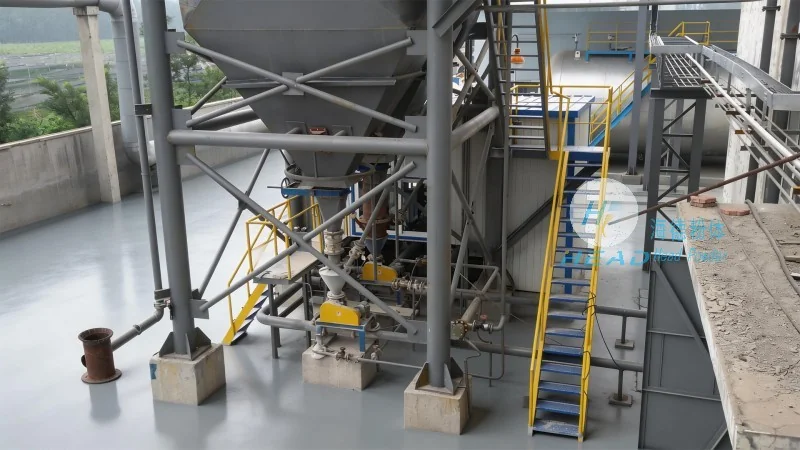
Introduction to Ammonium Fertilizer Powder Pneumatic Conveying Lines
A pneumatic conveying line is a system that uses compressed air or other gases to transport dry bulk materials, such as ammonium fertilizers, through a network of pipes. Unlike traditional mechanical conveyors, which rely on belts or screws, pneumatic systems utilize air pressure to move particles, making them particularly suitable for fine, dusty, or abrasive powders. The primary goal of such a line is to transport ammonium fertilizer from its source, like a production plant or storage silo, to processing units, packaging facilities, or even directly to agricultural fields. This method minimizes material degradation, reduces dust emissions, and enhances operational safety.
Key Components and Working Principle
The effectiveness of an ammonium fertilizer powder pneumatic conveying line depends on several key components, each playing a vital role in the overall operation. The main components include:
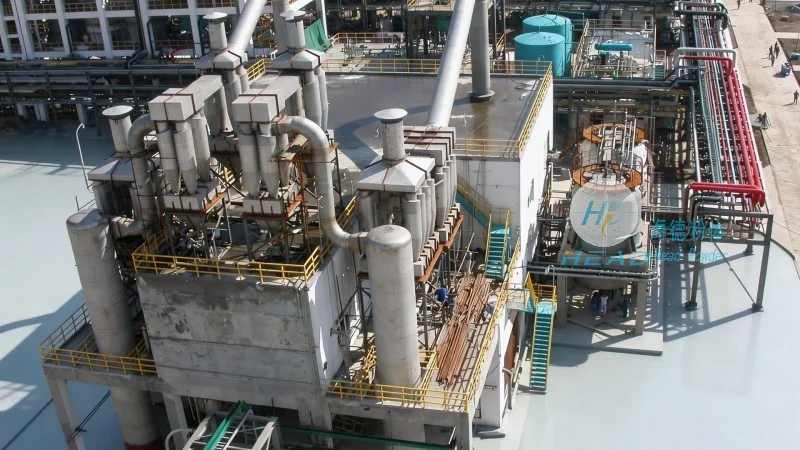
- Feed Hopper or Feeder: This component is responsible for feeding the ammonium fertilizer into the conveying system. It ensures a consistent flow of material, preventing blockages and maintaining the desired conveying rate.
- Conveying Pipe Network: The pipes form the backbone of the system, guiding the fertilizer from the feed point to the discharge point. The pipe material is typically chosen for its resistance to corrosion and wear, as ammonium fertilizers can be abrasive.
- Air Compressor and Blower: These devices generate the necessary pressure to move the powder through the pipes. The choice of compressor depends on the system's capacity and the required pressure, with options ranging from rotary lobe blowers to positive displacement compressors.
- Separation and Cleaning Systems: At the end of the conveying line, a separator is used to separate the fertilizer from the air. This is often followed by a filter or cyclone to capture any remaining particles, ensuring that the air is clean before it is released back into the environment.
- Control and Monitoring Systems: Modern pneumatic conveying lines are equipped with sensors and control panels to monitor pressure, flow rate, and system performance. This allows operators to adjust the system in real-time, optimizing efficiency and preventing issues like clogging or excessive energy consumption.
The working principle is relatively straightforward: the feed hopper delivers the ammonium fertilizer into the conveying pipe. Simultaneously, the air compressor supplies compressed air, which is introduced into the pipe at the feed point. The air and fertilizer particles mix, creating a slurry-like flow that moves through the pipe under pressure. As the mixture travels to the discharge point, the air and powder separate. The air is directed to the separator, where the fertilizer is collected and the air is cleaned before being vented. This process allows for continuous, unidirectional transport of the fertilizer, with minimal human intervention once the system is set up.
Design Principles for Efficient Ammonium Fertilizer Conveying
Designing an effective ammonium fertilizer powder pneumatic conveying line involves careful consideration of several factors to ensure optimal performance, safety, and longevity. The following principles are crucial:
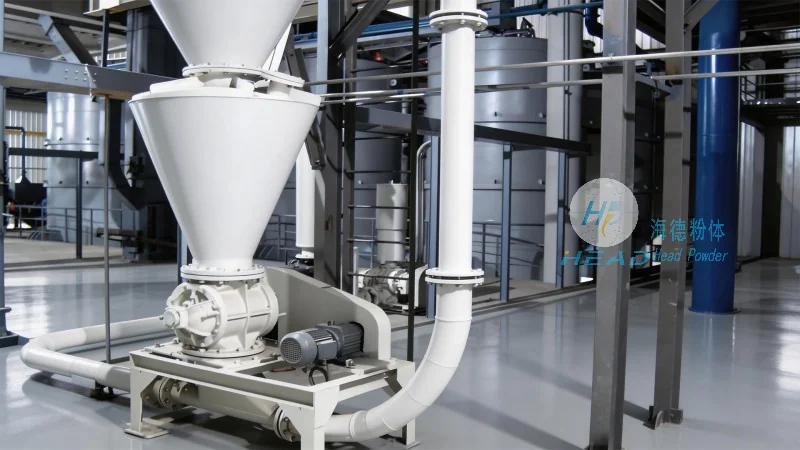
- Material Compatibility: The entire system, from the hopper to the pipes and separators, must be constructed from materials that are compatible with ammonium fertilizers. Common materials include stainless steel, aluminum, and specialized plastics that resist corrosion and abrasion. This prevents material degradation and ensures the fertilizer remains pure throughout the process.
- System Sizing and Pressure: The conveying line must be sized appropriately based on the required flow rate and the distance the fertilizer needs to travel. The pressure required is directly related to the pipe length, diameter, and the characteristics of the powder (e.g., particle size, density). Overdesigning or underdesigning can lead to inefficiencies, such as insufficient flow or excessive energy consumption.
- Flow Rate and Velocity: The velocity of the air in the pipe is a critical parameter. If the velocity is too low, the powder may settle and cause blockages. If it is too high, it can lead to excessive wear on the pipes and components, as well as increased energy costs. The optimal velocity is typically determined through calculations and empirical data, balancing efficiency with durability.
- System Layout and Flexibility: The layout of the conveying line should be designed to accommodate the existing facility layout while allowing for future expansion or modifications. Flexible connections and adjustable components enable the system to adapt to changes in production needs or space constraints.
- Energy Efficiency and Maintenance: Modern designs prioritize energy efficiency by using high-efficiency compressors and optimizing the air-to-powder ratio. Regular maintenance is also essential to prevent clogging and ensure the system operates at peak performance. This includes cleaning filters, inspecting pipes for wear, and replacing worn components as needed.
Advantages of Using Pneumatic Conveying for Ammonium Fertilizers
Compared to traditional mechanical conveyors, pneumatic conveying systems offer several advantages when handling ammonium fertilizers:
- No Mechanical Wear: Since the fertilizer is transported by air rather than mechanical parts, there is minimal wear and tear on the system. This reduces maintenance costs and extends the lifespan of the equipment.
- Reduced Dust and Environmental Impact: Pneumatic systems are enclosed, which helps contain dust and prevent it from entering the environment. This is particularly important for ammonium fertilizers, which can be hazardous if inhaled in large quantities.
- Flexibility in Layout: The use of pipes allows for flexible and compact layouts, enabling the system to navigate around obstacles and fit into tight spaces. This is especially beneficial in existing facilities where space is limited.
- Automation and Control: Modern pneumatic conveying lines can be fully automated, with sensors and controls that adjust the system based on real-time conditions. This improves efficiency and reduces the risk of human error.
- Improved Product Quality: By minimizing contact with external elements and reducing the risk of contamination, pneumatic systems help maintain the quality and purity of the ammonium fertilizer, ensuring it meets the required standards for agricultural use.
Application Scenarios and Industry Relevance
Ammonium fertilizer powder pneumatic conveying lines are widely used in various stages of the fertilizer production and distribution process. Some common applications include: