

What is an Automatic Powder Pneumatic Conveying Equipment? And What Are Its Design Principles?
For industries dealing with bulk powder materials, efficient and reliable material handling is crucial. The automatic powder pneumatic conveying equipment, as a key solution, offers a seamless way to transport powders from one location to another. This equipment is designed to handle various types of powders, including fine powders, granules, and even bulk materials, ensuring minimal product loss and contamination during the process. The technology behind this equipment leverages air pressure to move materials, making it an ideal choice for applications where traditional mechanical conveyors may not be suitable.
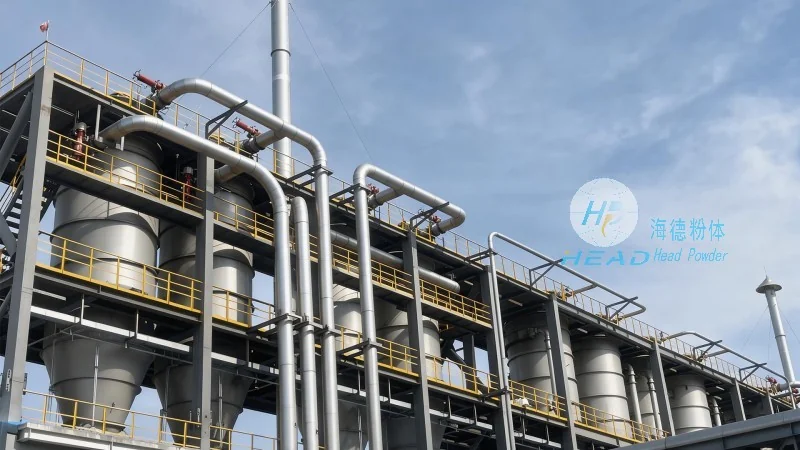
Key Features of the Equipment
HeadPowder Engineering Co., Ltd., a leading manufacturer based in Shandong, China, specializes in developing advanced powder handling solutions. Their automatic powder pneumatic conveying equipment is equipped with several key features that enhance performance and user experience. One of the primary features is the intelligent control system, which allows for real-time monitoring and adjustment of conveying parameters. This system can be integrated with existing production lines, ensuring seamless operation without disrupting workflow. Additionally, the equipment incorporates high-quality materials and robust construction, providing durability and long-term reliability. The design also focuses on energy efficiency, reducing operational costs while maintaining high conveying rates. Another notable feature is the modular structure, which enables easy installation and maintenance, minimizing downtime for users.
Design Principles of the Automatic Powder Pneumatic Conveying System
The design of the automatic powder pneumatic conveying equipment is based on fundamental principles of fluid dynamics and material handling. The core concept involves creating a pressure differential between the inlet and outlet of the system, using compressed air to move the powder. The system typically consists of a hopper, a blower or compressor, a pipeline network, and a receiver. The hopper is where the powder is stored and fed into the system, while the blower provides the necessary air pressure to transport the material. The pipeline network connects the hopper to the receiver, ensuring a continuous flow of material. The receiver collects the conveyed powder and can be connected to downstream processes or storage tanks. The design also considers factors such as powder properties, conveying distance, and required flow rate, allowing for customization to meet specific application needs. The use of positive pressure or negative pressure systems depends on the material characteristics and the layout of the facility. Positive pressure systems are commonly used for long-distance conveying and for materials that are prone to dusting or caking, as they maintain a consistent pressure throughout the pipeline. Negative pressure systems, on the other hand, are suitable for short-distance conveying and for materials that are less likely to cause blockages. The design also incorporates safety features, such as pressure relief valves and dust collection systems, to ensure safe operation and compliance with industrial standards.
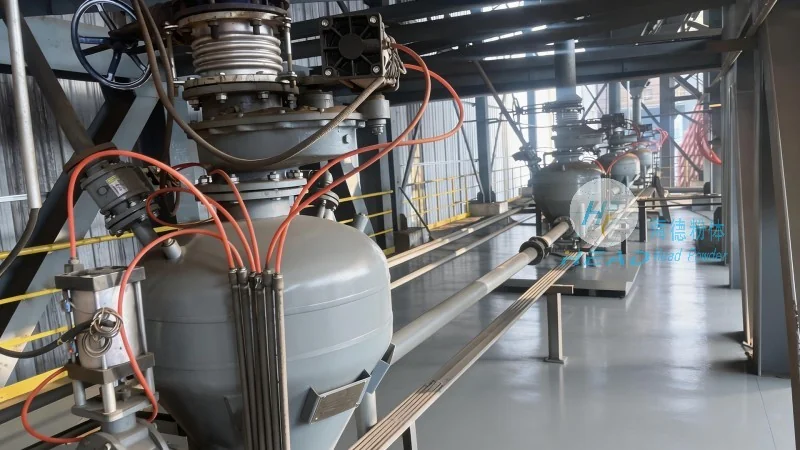
How the Equipment Works in Practice
When the automatic powder pneumatic conveying equipment is in operation, the process begins with the powder being fed from the hopper into the pipeline. The blower then starts, creating a pressure differential that propels the powder through the system. The powder is carried by the air stream, moving from the hopper to the receiver. The speed and pressure of the air are carefully controlled to ensure that the powder is conveyed efficiently without causing excessive wear on the equipment or the pipeline. The system can handle different powder types, such as cement, flour, or chemical powders, by adjusting the air flow rate and pressure. The receiver collects the conveyed powder and can be connected to a silo or a processing unit. The entire process is automated, with the control system monitoring and adjusting parameters in real-time. This automation reduces the need for manual intervention, improving efficiency and reducing the risk of human error. The equipment is also designed to be compatible with various industrial settings, from small-scale production lines to large-scale manufacturing facilities. Its flexibility allows it to be integrated into existing workflows, enhancing overall productivity.
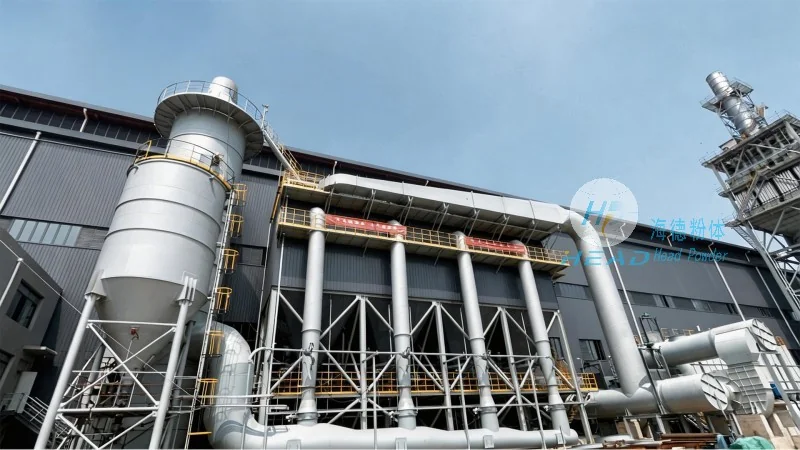
Benefits of Using Automatic Powder Pneumatic Conveying Equipment
Implementing automatic powder pneumatic conveying equipment offers numerous benefits for industries dealing with bulk powders. One of the primary advantages is the reduction in material loss and contamination. Unlike traditional mechanical conveyors, which may cause product degradation or cross-contamination, the pneumatic system keeps the powder in a closed environment, minimizing exposure to external factors. This is particularly important for sensitive materials, such as pharmaceuticals or food products, where purity is critical. Another benefit is the improved safety and hygiene. The closed system prevents dust emissions, reducing the risk of respiratory issues for workers and maintaining a clean working environment. Additionally, the equipment is designed to be low-maintenance, with modular components that can be easily replaced or serviced. This reduces downtime and maintenance costs, contributing to long-term cost savings. The automation feature also enhances operational efficiency, as the system can run continuously without the need for constant monitoring. This allows workers to focus on other tasks, increasing overall productivity. Furthermore, the equipment is energy-efficient, using less power compared to traditional conveyors, which helps in reducing operational costs and environmental impact. The ability to customize the system to specific requirements also provides flexibility, allowing industries to adapt to changing production needs without significant investments.
Applications and Industries
The automatic powder pneumatic conveying equipment is widely used across various industries due to its versatility and efficiency. In the food and beverage industry, it is used to transport ingredients such as flour, sugar, and spices from storage to production lines. The equipment ensures that these materials are handled hygienically and without contamination, meeting the strict standards of the industry. In the chemical industry, it is used to convey powders like cement, limestone, and chemicals, which are often abrasive and require robust handling. The equipment's durability and ability to handle abrasive materials make it suitable for these applications. The pharmaceutical industry also benefits from this equipment, as it can handle sensitive powders like active pharmaceutical ingredients (APIs) and excipients with minimal risk of contamination. The closed system and sterile design ensure that the materials remain pure and safe for use. In the construction industry, the equipment is used to transport cement and other building materials to construction sites, improving efficiency and reducing labor costs. The ability to convey materials over long distances without the need for intermediate storage makes it an ideal solution for large-scale construction projects. Additionally, in the agricultural industry, it is used to transport fertilizers and other agricultural powders, ensuring efficient distribution and application. The equipment's adaptability to different materials and applications makes it a valuable asset for various sectors.